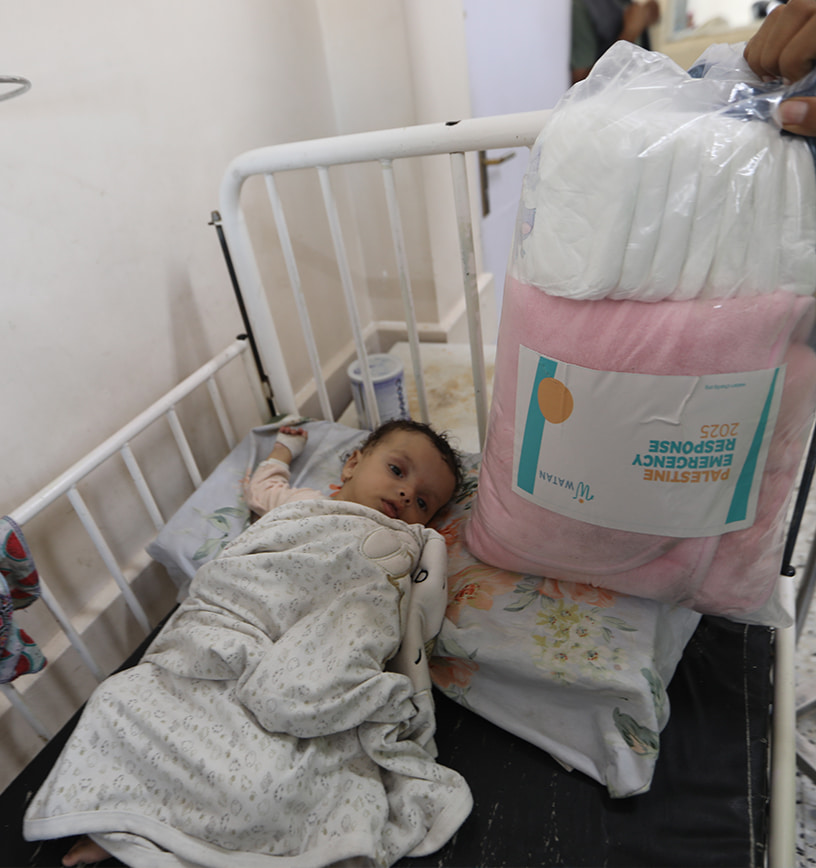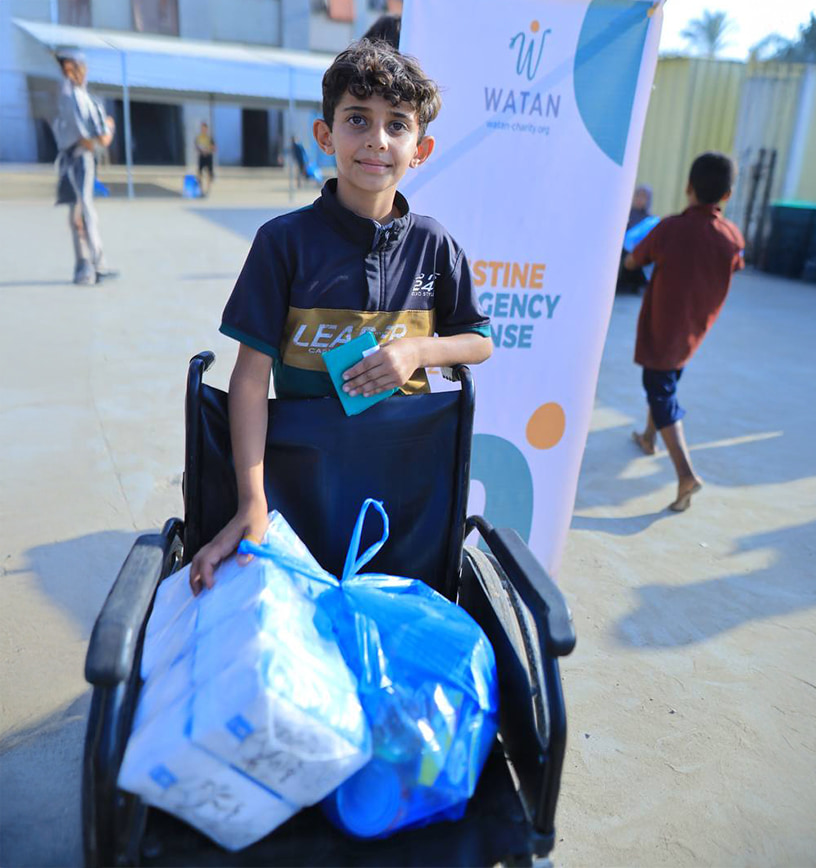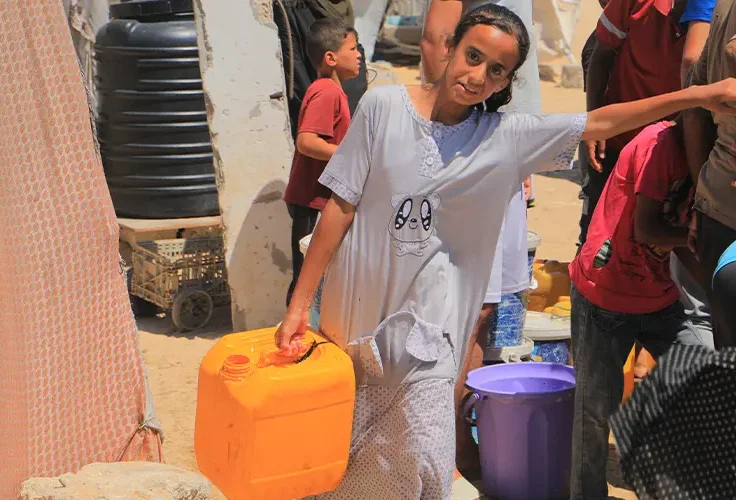

Sponsoring an orphan in Palestine means committing monthly support to a child who has lost one or both parents – covering food, schooling, and basic care. It’s different from a one-time donation. The child gets a named sponsor and ongoing help. Gaza alone holds hundreds of thousands of orphaned children. Right now, that need is bigger than it’s ever been.
Why Sponsoring an Orphan in Palestine Matters Right Now
Gaza’s children are living through one of the worst crises in modern history. According to UNICEF, over 17,000 children in Gaza lost one or both parents in recent conflict. That number keeps climbing. Orphaned children here don’t just lose parents – they lose housing, income, and access to school in a single moment. Without a sponsor, many end up in overcrowded shelters with no adult to advocate for them. Sponsorship creates a direct, ongoing link between a donor and a real child – and that consistency changes outcomes in ways one-time aid can’t.
Sponsor an Orphan in Palestine: What Most People Don’t Know
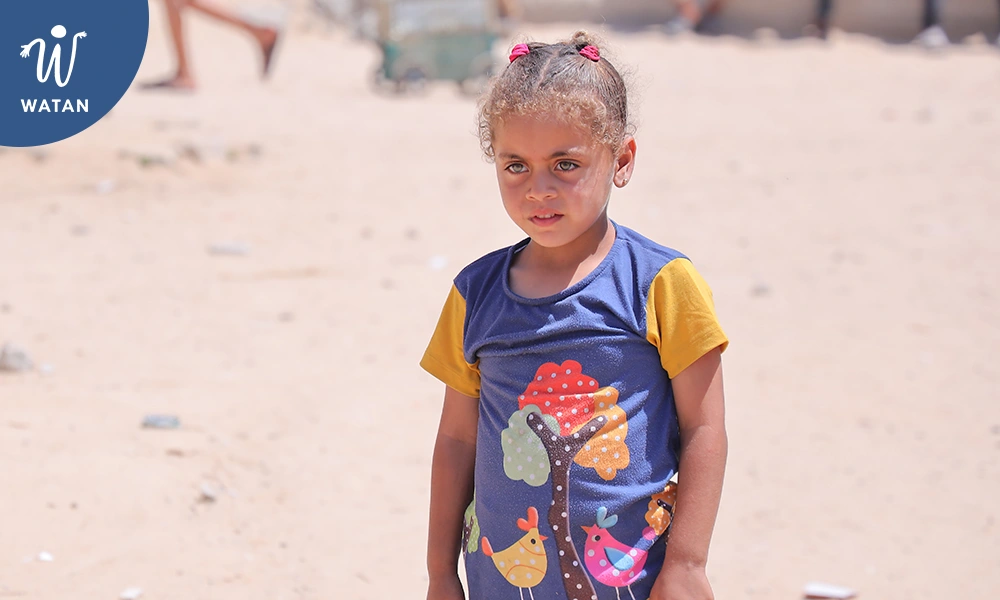
Most people think orphan sponsorship just means food. But in Palestine, it covers far more. A typical monthly sponsorship – around $50 USD – funds school fees, clothes, medical check-ups, and psychosocial support for a child dealing with trauma. In the West Bank and Gaza, an estimated 1 in 10 children now lives without at least one parent, according to Save the Children. Boys and girls between ages 5 and 15 are most at risk of dropping out of school without this kind of steady help. It’s not charity in the traditional sense. It’s a structured, accountable relationship — one that families in Gaza say they can actually count on.
How Does Orphan Sponsorship in Palestine Actually Work?
Sponsorship runs on a monthly cycle. A donor commits a set amount – usually $50 – and that money flows to a vetted local partner on the ground. The partner works directly with the child’s guardian. It funds school fees first, then clothes, then medical visits, then psychosocial sessions for trauma. In Gaza, where schools have been damaged or destroyed, some of those funds now support home tutoring instead. The process is traceable. Sponsors get updates. The child’s guardian gets consistency. And the child gets one stable thing in a life with very few stable things.
Who Manages the Process on the Ground?
Local partner organizations handle day-to-day delivery. They verify each child’s status, confirm guardianship, and distribute funds each month. In the West Bank, this often runs through registered community centers. In Gaza, it runs through whatever structure still stands. Partners report back to the sponsoring organization with attendance records, health notes, and progress updates. This accountability layer matters — it’s what separates a real sponsorship program from a vague promise.
What Happens If a Child’s Situation Changes?
Children get displaced. Guardians change. Schools close. Good programs build in a reassessment step every six months. If a child moves from Rafah to a shelter in Khan Younis, a strong partner tracks that move and updates the file. The sponsorship follows the child — not the address. This is what families in Gaza say they value most. Not the amount. The follow-through.
Who Are the Children Most in Need of Sponsorship Right Now?
Boys and girls between 6 and 14 are at the highest risk of falling through the gaps. This is the school-age window. Miss it, and the child may never return to formal education. Girls face extra pressure — in some areas, families pull daughters out of school before sons when money runs short. According to UNICEF, children in Gaza now face the highest documented rates of psychological distress of any conflict zone measured in recent years. Orphaned children with no adult advocate face this alone. They’re not just grieving — they’re invisible to systems that might otherwise help.
Common Misconceptions About Sponsoring an Orphan in Palestine
Many people assume “orphan” means both parents are gone. In Islamic scholarship and in most international aid frameworks, a child who has lost their father — the primary provider in most Palestinian households — qualifies as an orphan. This matters because it widens the group of children who need help. A second misconception is that one-time donations solve the same problem. They don’t. A child needs school fees paid in September, October, November — not just once. A third misconception is that the money doesn’t reach the child. Reputable organizations publish case reports, spending breakdowns, and field updates. The trail exists. You just have to look for it.
What Our Team Saw in Khan Younis in Early 2025
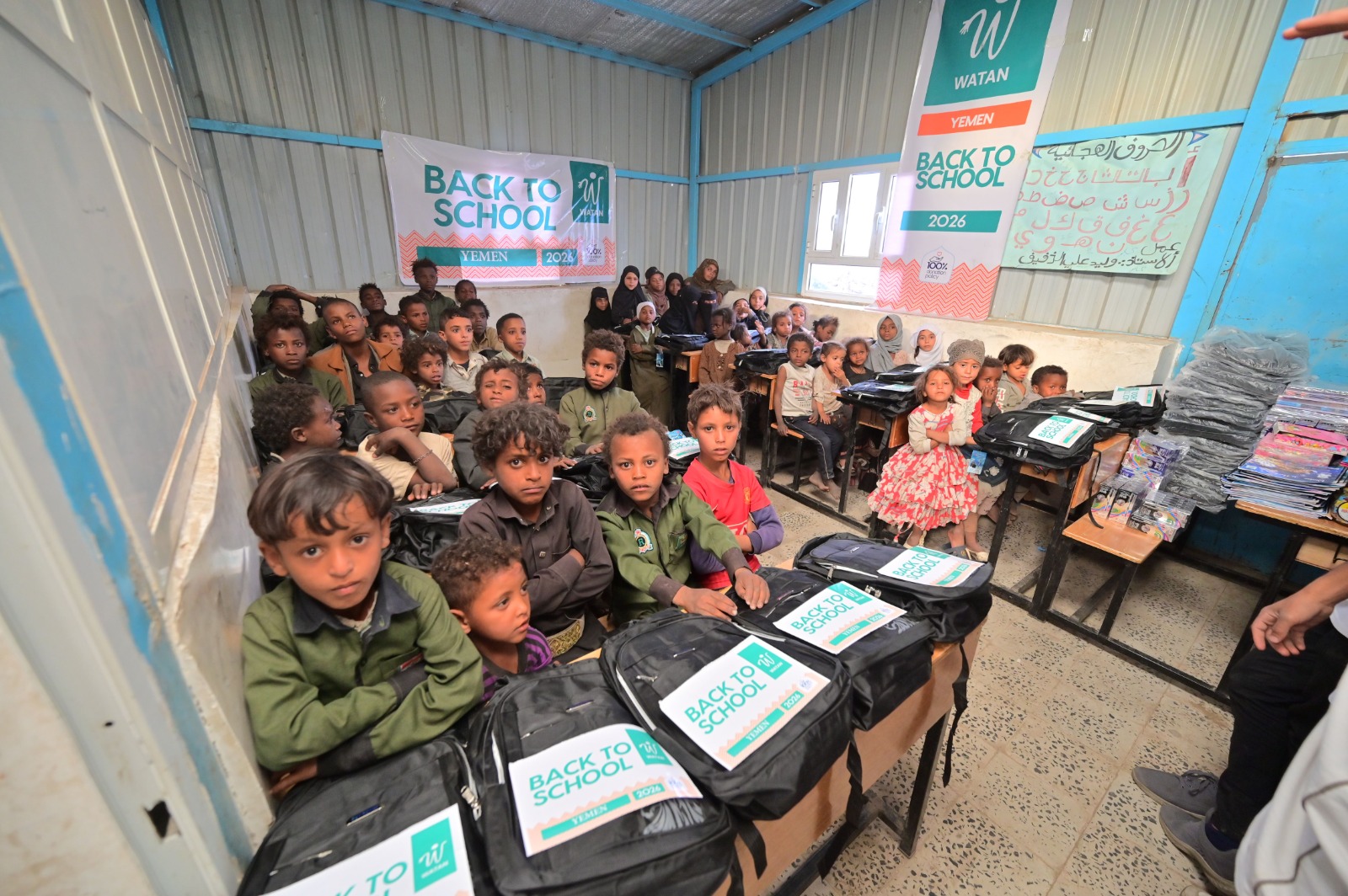
Our team visited Khan Younis in February 2025. We met a boy named Yusuf — nine years old, living with his aunt after losing both parents in late 2023. He hadn’t been to school in over a year. His aunt was caring for five children on no income. Within three months of entering a sponsorship program, Yusuf was back in a temporary classroom. He had a bag, notebooks, and a pair of shoes that fit. His aunt told our team: “It’s not about the money. It’s about knowing someone is still thinking about him.” That kind of change is quiet. It doesn’t make headlines. But it holds. See how this work continues →
What This Means If You Want to Sponsor an Orphan in Palestine
The need is not shrinking. UNICEF estimates over one million Palestinian children need urgent support as of early 2025. Sponsorship gives one child consistent help—school fees, meals, and clothing—month after month. That consistency is what separates a child who falls behind from one who catches up. Orphan sponsorship in Gaza and the West Bank works when it’s sustained. A $30 monthly commitment covers basic educational costs for one child. The families we work with don’t need one good month. They need twelve.
What Sustained Sponsorship Actually Covers
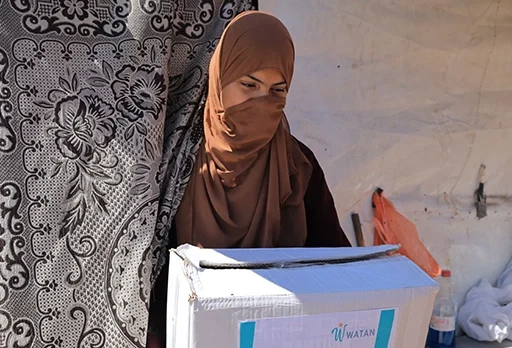
A sponsorship isn’t a single item. It covers school enrollment fees, notebooks, and uniforms. It covers food support for the household. In many cases, it covers psychological care – something UNICEF flags as a critical gap for children in conflict zones. Our team has seen firsthand how a child re-enters normal routines when these basics are covered. One month of stability builds the next.
When Is the Right Time to Get Involved
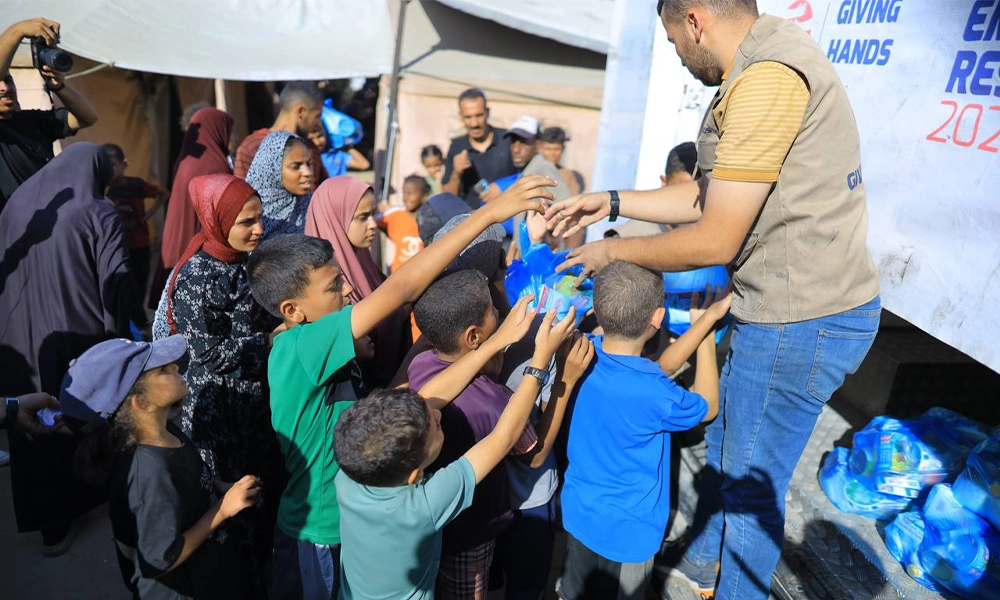
There’s no ideal moment. The need exists now. Palestinian orphans in Gaza face school disruption, food insecurity, and family breakdown – all at once. Waiting for the conflict to end before helping means waiting for a child’s window of development to close. Early, consistent support shapes outcomes. Organizations with field presence can reach children now, even in active crisis zones.
Behind every child who goes back to school is a long line of people who didn’t stop paying attention. The headlines move on. The need doesn’t. At Watan USA, our team stays on the ground — visiting families, tracking progress, and making sure support reaches the right children. That quiet, continued work is what changes a child’s trajectory.