
To Give Sadaqah jariyah is ongoing charity. It’s the kind of giving that keeps producing reward even after a person dies. The Prophet Muhammad (ﷺ) named it as one of only three deeds that survive death, alongside knowledge that benefits others and a righteous child who prays for the deceased. This makes it different from regular sadaqah, which ends once the act is done. Any Muslim can give it, and its rewards flow for as long as the benefit lasts.
Why Sadaqah Jariyah Matters Right Now
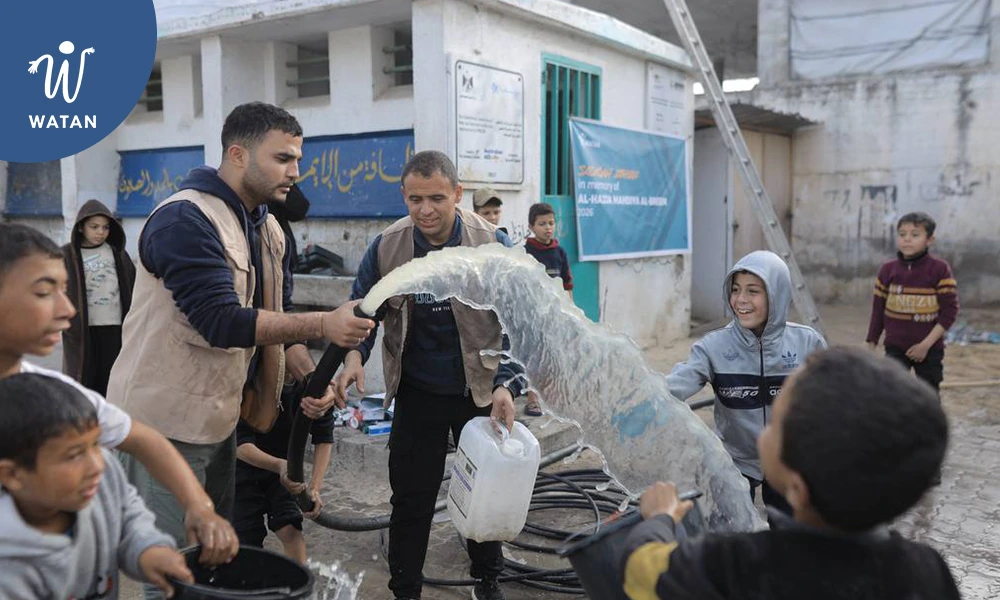
More than 700 million people still lack access to clean water, according to UNICEF. That single fact shapes why sadaqah jariyah carries such weight today. A well, a school, a water filter, or a Quran placed in a community can serve hundreds of families for decades. Each use renews the reward for the original giver. The ummah has practiced this for centuries, but the need has never been greater. Millions of displaced, impoverished, and struggling families across Palestine, Bangladesh, Somalia, and beyond depend on the kind of long-term, structural support that sadaqah jariyah funds. Our sadaqah jariyah programs focus on exactly this kind of lasting impact. It’s not a one-time gift. It’s a living legacy.
Key Facts About Sadaqah Jariyah Most People Don’t Know
The hadith about sadaqah jariyah comes from Sahih Muslim (hadith 1631), narrated by Abu Hurairah (RA). It’s one of the most cited hadith in Islamic giving, yet many Muslims don’t know its specific source. Scholars like Imam al-Nawawi confirmed that “ongoing charity” includes any benefit that continues after death, not just physical structures. Pew Research estimates that global Muslims number around 1.8 billion. If even a small fraction gave sadaqah jariyah in the form of clean water access, costing about $30 USD per person per year in many low-income regions, the scale of change would be immense. The act doesn’t need to be large. It needs to last.
What Forms Can Sadaqah Jariyah Take?
Sadaqah jariyah isn’t limited to building mosques or digging wells. Scholars across Islamic history recognized many valid forms. Imam al-Nawawi listed ongoing charity as any benefit that outlasts the giver, including knowledge shared, children raised with faith, and infrastructure built for public use. Today, that list is wider. Clean water access, food security programs, orphan care, and education projects all qualify. According to UNICEF, about 703 million people worldwide lack access to safe drinking water. Each $30 contribution toward water access can serve one person for a full year in low-income regions.
Knowledge as Sadaqah Jariyah
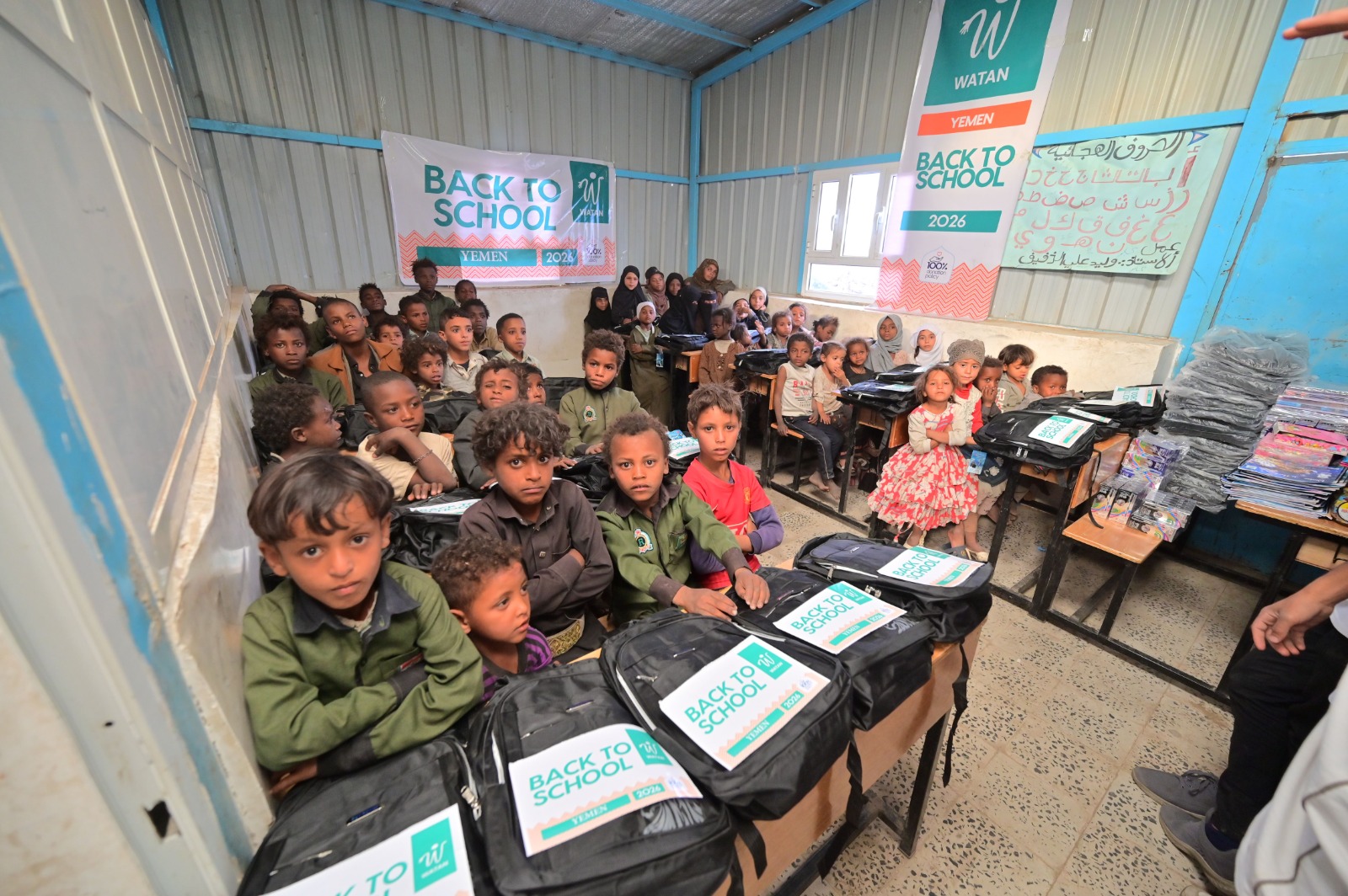
Teaching someone a skill, funding a Quran class, or supporting an Islamic school counts as sadaqah jariyah. The student learns. The student teaches others. The chain never breaks. Ibn al-Qayyim wrote that beneficial knowledge is among the greatest gifts a person can leave behind. It multiplies without the giver knowing. A single teacher trained through a charity program can shape hundreds of students over a lifetime.
Orphan Care as a Living Legacy
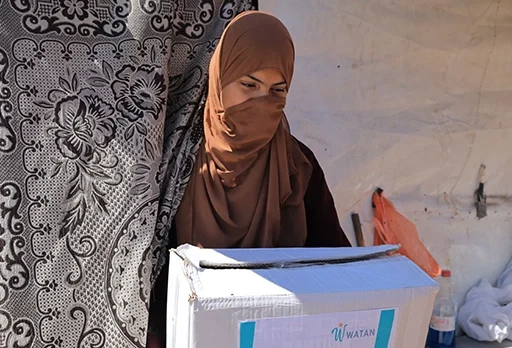
Caring for an orphan isn’t just a good deed in the moment. When that support covers shelter, food, schooling, and emotional stability, it shapes who the child becomes. A child raised with care becomes a person who cares for others. The impact passes forward. Palestinian and Bangladeshi orphan communities are among those with the greatest need for this kind of long-term, consistent support.
Common Mistakes People Make When Giving Sadaqah Jariyah
Many Muslims give sadaqah jariyah without checking if the cause they’re supporting will actually last. That’s the most common mistake. A one-time food pack is sadaqah, not sadaqah jariyah. A well that a team maintains for years is sadaqah jariyah. The difference is structure, not intention. A second common mistake is assuming the amount must be large. But a small amount given to a program with strong infrastructure can outlast a large amount given to a poorly managed one. The quality of the system matters more than the size of the gift.
Confusing Sadaqah With Sadaqah Jariyah
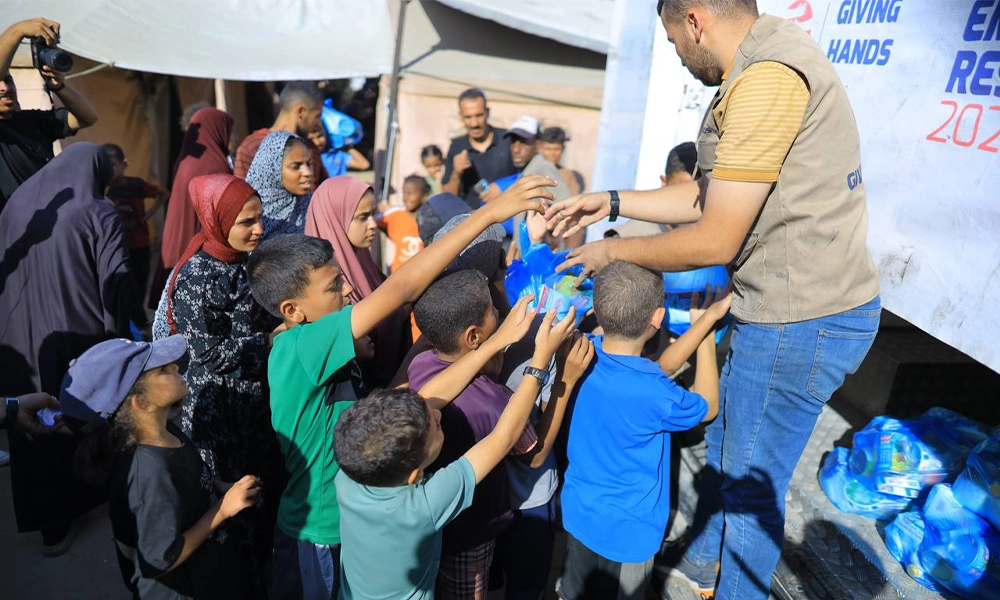
Regular sadaqah and sadaqah jariyah are both rewarded by Allah. But they aren’t the same. Regular sadaqah ends when the benefit ends. Sadaqah jariyah earns ongoing reward because the benefit keeps going. Giving food to a hungry family today is sadaqah. Funding an irrigation system that grows food for that family’s village for decades is sadaqah jariyah. Both are good. But only one keeps giving while you sleep.
Who Benefits Most From Sadaqah Jariyah Projects?
The people who gain most from sadaqah jariyah are those in long-term crisis. Not temporary hardship, but structural need. Rohingya communities in Cox’s Bazar, Somali families displaced by drought, and Gazarian children living without consistent schooling all fit this description. According to the World Bank, about 700 million people still live on less than $2.15 a day. For these families, a one-time gift helps for a day. A long-term program changes the conditions they live in. Real change here is rarely sudden. It comes from small, sustained efforts. Season after season.
How Scholars Define the Reward for Sadaqah Jariyah
Islamic scholars are clear: the reward for sadaqah jariyah continues after death as long as the benefit continues. This comes directly from Sahih Muslim (hadith 1631). Imam al-Nawawi explained that the reward isn’t fixed at the moment of giving. It scales with use. A well used ten thousand times earns ten thousand moments of reward. Ibn Baz, the late Saudi scholar, also confirmed this in his rulings on charitable endowments. The giver doesn’t need to be alive, aware, or even remembered. The deed itself carries the record.
What Giving Sadaqah Jariyah Means for You Right Now
Sadaqah jariyah is one of the few acts that keeps earning reward after you stop. The deed outlives the moment. According to Sahih Muslim (hadith 1631), three things continue for a person after death: ongoing charity, beneficial knowledge, and a righteous child who prays. That first category is sadaqah jariyah. Families across the communities Watan serves depend on long-term programs, not one-time relief. Clean water access, children’s education, and sustained orphan care all qualify. Each of these creates benefit that compounds over time. Acting now means the reward begins now.
What Counts as Sadaqah Jariyah in Practice?
Sadaqah jariyah covers any contribution whose benefit outlasts the act itself. A water source used daily, a school that teaches for decades, an orphan supported through adulthood. UNICEF estimates that 703 million people lack access to basic drinking water. For those families, a well is not a luxury. It is a life-changing permanent resource. Watan’s long-term programs focus on exactly this kind of sustained impact.
How to Begin if You Have Never Given Before
Starting is simple. Pick one cause that moves you. Water, orphan care, or education are all valid forms of sadaqah jariyah. Even a small, consistent amount holds more spiritual weight than a single large gift you forget about. The Prophet Muhammad (peace be upon him) said the most beloved deeds to Allah are those done with consistency, even if small. That hadith appears in Sahih al-Bukhari (hadith 6464). Consistency is the point.
Behind every sustained program is a long line of people who chose to stay involved. The headlines move on. The need does not. At Watan, the work in communities across Gaza, Bangladesh, Somalia, and beyond continues because of people who treat sadaqah jariyah as a habit, not an event. The families we serve need that kind of long-term commitment. See how this work continues at watanusa.org/our-work.