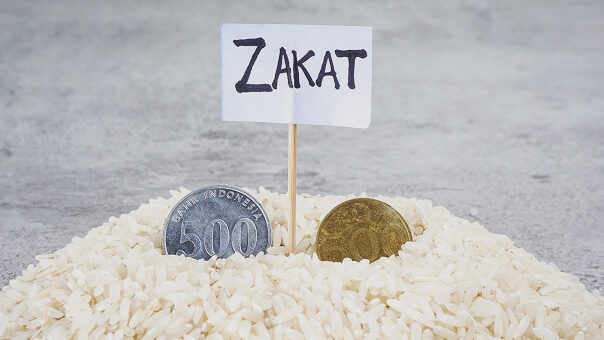


Zakat on property is the obligatory annual charity owed on certain property assets once they meet the nisab threshold — currently about $5,950 USD in gold value. Not all property triggers Zakat. Only property held for trade or income qualifies. Your personal home, for example, is exempt. This rule affects millions of Muslim property owners, investors, and landlords globally — and it’s one of the most misunderstood areas of Islamic finance.
Why Zakat on Property Matters Right Now
Property wealth has grown fast across Muslim-majority and Muslim-minority countries alike. In the US alone, Muslim homeownership has climbed steadily since 2015, with many families now holding real estate as their primary investment. But most donors don’t know whether that rental property – or that empty plot of land – actually triggers a Zakat obligation.
The Pew Research Center estimates over 3.45 million Muslims live in the US today. A large portion hold some form of real property. That’s a collective Zakat liability that often goes uncalculated – and uncollected. Understanding Zakat on property isn’t just a personal duty. It shapes how much reaches the poor each year.
Zakat on Property: What Most People Don’t Know
Most people assume Zakat only applies to cash and gold. But classical scholars – including Imam An-Nawawi and Ibn Qudama – clearly ruled that property held for trade carries Zakat at 2.5% of its market value each lunar year. Rental income is separate: it’s treated like earned income, and some contemporary scholars say Zakat applies when net rental profits reach the nisab. A landlord earning $24,000 USD annually in rent, for instance, may owe $600 USD in Zakat on that income alone. The line between “investment property” and “trade property” is where most mistakes happen – and where scholars differ most.
Does Zakat Apply to Rental Property?
Zakat on rental property works differently from Zakat on trade goods. The property itself – the building or land – doesn’t trigger Zakat if you bought it to rent, not to sell. But the *income* it earns does. Scholars like Ibn Uthaymeen held that rental profits are treated like any other earned income. Once your net rental income hits the nisab – about $5,940 USD at today’s silver rate – and you hold it for a full lunar year, 2.5% becomes due. A landlord clearing $2,000 monthly in net rent could owe around $600 annually in Zakat on that income alone.
What Counts as “Net” Rental Income?
Net rental income means income after real costs. You subtract mortgage payments, maintenance, property taxes, and management fees. What’s left is what scholars count toward nisab. Some scholars – including those at the European Council for Fatwa and Research – say only the profit matters, not gross rent. So a landlord earning $3,000 in gross rent but paying $2,200 in expenses has only $800 in net rental income. That matters for Zakat.
Does an Empty Rental Property Still Trigger Zakat?
An empty property that earns nothing triggers no Zakat on income. But if it sits vacant while you’re *waiting to sell* it at a profit, scholars classify it as trade goods – and Zakat applies to its full market value at 2.5%. Intent is the deciding factor. Bought to rent: Zakat on income only. Bought to sell: Zakat on the asset itself.
Common Mistakes Muslims Make with Zakat on Property
Most errors around Zakat on property come from one root cause: people apply cash Zakat rules to assets that work differently. The most common mistake is calculating 2.5% on a property’s *full market value* when it’s actually a rental holding. That can produce a Zakat figure far beyond what’s due – or, in the reverse mistake, paying nothing because the building itself isn’t “cash.” The Fiqh Council of North America has addressed this repeatedly in its annual Zakat guidelines, noting that American Muslim property owners need clearer local rulings. Misapplication – not avoidance – is the bigger problem.
The “I’ll Calculate It Later” Problem
Many US Muslim investors delay Zakat calculation because property values feel uncertain. They wait for a “final” number. But Zakat is due on the value at the end of the lunar year — not the final sale price. Waiting doesn’t pause the obligation. It accumulates it. Our team in Chicago spoke with a donor in March 2025 — we’ll call him Tariq — who hadn’t calculated Zakat on a commercial property for six years. The missed amount came to over $14,000.
Who Owes Zakat on Property in the US?

American Muslim property investors are the most affected group – and the fastest growing. The National Association of Realtors reports that foreign-born Americans, including many Muslim immigrants, now make up a rising share of real estate investors in cities like Detroit, Houston, and Dearborn. But it’s not just wealthy investors. Many first-generation Muslim families bought rental property as their retirement plan. A family that owns two modest rental properties in New Jersey – each worth $300,000 – could face a trade-goods Zakat calculation of $15,000 if they bought to sell. That’s a number few families have set aside. The obligation exists whether or not they’ve planned for it. See how Zakat reaches those who need it most →
What This Means for You Now
Zakat on property is not a minor footnote in Islamic finance. It’s a live obligation for any Muslim who holds real estate as a trade good – and for some who hold rental property too. The Nisab threshold in 2025 sits near $5,950 in silver value, according to AAOIFI standards. A single rental property or a parcel of land bought for resale can push a household well past that line. Miss one lunar year? The debt carries forward. Miss six? Ask Tariq. Knowing your intention at purchase is the first step – every other calculation follows from that.
What If You’re Not Sure of Your Intention?
This is the most common question our team hears in Chicago and Houston. Scholars like Ibn Uthaymeen held that intention can shift – but when it shifts, the Zakat category shifts with it. If you bought land to live in and now plan to sell, Zakat may become due from the year the intention changed. Write it down. Date it. That note could matter when you calculate years later.
What to Do Before Next Ramadan
Start with your lunar year end date. Then list every property you own. For each one, ask: did I intend to sell this when I bought it? If yes, calculate 2.5% of its current market value. If no, check for rental income above Nisab. AAOIFI and many North American scholars recommend calculating during Ramadan for ease – but the clock runs from your personal Hawl, not the calendar.
Zakat is one of the most data-driven acts of worship in Islam. It asks you to know your assets, know your intention, and act on both with honesty. At Watan USA, we see what that honesty funds – clean water, food, shelter, and dignity for families who have nothing left to sell. The obligation and the outcome are connected.