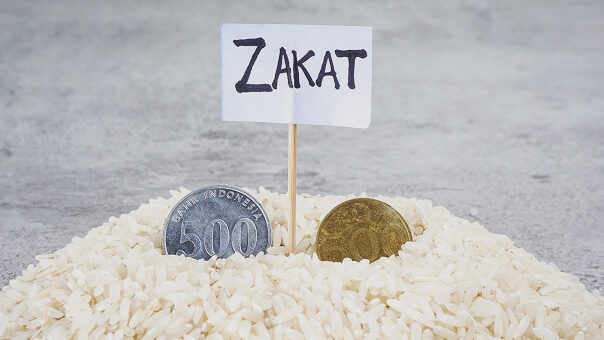


Zakat on savings is the annual 2.5% payment Muslims owe on money held for one full lunar year. Unlike Zakat on crops or livestock, it applies to cash, bank balances, and liquid assets. Your savings must first reach the nisab – currently about $450 USD – before any obligation kicks in. It applies to every Muslim who meets that threshold. Millions of US Muslims owe it each year and don’t realize it.
Why Zakat on Savings Matters Right Now
More Muslims are holding savings accounts than ever before. A 2023 report from the Pew Research Center found that US Muslims are a growing, economically active community – and their financial obligations under Islamic law are growing with them. Zakat on savings is one of the Five Pillars of Islam. It isn’t optional.
Scholars like Ibn Baz and Ibn Uthaymeen both confirmed that bank deposits count as zakatable wealth. If you’ve held money above the nisab for a full lunar year – called a hawl – you owe 2.5% of it. That money goes to the eight categories named in Surah At-Tawbah (9:60). Missing it isn’t just a calculation error. It’s a missed obligation.
Zakat on Savings: What Most People Don’t Know
The nisab changes every year. It’s tied to the value of 85 grams of gold or 595 grams of silver – and silver is used as the lower, more cautious threshold by most scholars. In mid-2026, the silver nisab sits at roughly $450 USD. That means if you’ve had $450 or more in savings for 12 lunar months, you owe Zakat. The hawl – the one-year holding period – resets if your savings drop below the nisab at any point during the year. Many people don’t know that rule. It means a temporary dip can delay your obligation by a full year, which is why tracking your lowest balance matters more than your highest.
Does Zakat Apply to All Types of Savings Accounts?
Yes – Zakat applies to money in any savings account, whether it earns interest or not. The type of account doesn’t change the ruling. What matters is that the money sat above the nisab for a full lunar year. That includes standard savings accounts, high-yield accounts, money market accounts, and CDs. Scholars at the Islamic Fiqh Academy confirmed this position. If you hold a CD that matures after your hawl date, you still count the full balance on your Zakat due date. The account structure is irrelevant. The wealth is yours, and it’s zakatable.
What About Investment Accounts and Stocks?
Stocks and investment accounts add a layer of complexity. For stocks you hold as long-term investments, most scholars say you pay Zakat on the current market value of your shares — not just the cash portion. For stocks you trade actively, you pay Zakat on the full market value. Ibn Uthaymeen held that the zakatable amount is whatever you could access and use right now. So check your portfolio value on your Zakat due date. That number — or the liquid portion of it — is what you calculate from.
What About a 401(k) or IRA?
Retirement accounts are a real grey area. Most contemporary scholars — including those at the Assembly of Muslim Jurists of America (AMJA) — say Zakat is owed only on the accessible portion. If you face a 10% early withdrawal penalty, some scholars say deduct that penalty before calculating. Others say Zakat is deferred until you can access the funds without penalty. Both positions are valid. Pick one, apply it consistently each year, and don’t switch methods to lower your bill. Consistency matters more than which opinion you follow.
Common Misconceptions About Zakat on Savings

The biggest misconception is that Zakat only applies to cash in hand. It doesn’t. Zakat on savings covers any liquid or near-liquid wealth you control — bank balances, stocks, gold, silver, and business inventory. A second common mistake is counting the gross amount before debts. You can deduct short-term debts — money you owe right now, not future obligations — before calculating. A third mistake is missing the hawl reset rule. If your savings dip below the nisab mid-year and recover, a new hawl starts from the recovery date. Catching these errors early prevents underpayment.
Does Zakat Apply to a Joint Account?
Joint accounts need careful handling. Each person pays Zakat on their own share — not on the full balance. If you and your spouse share an account equally, each of you calculates Zakat on half the balance. But you need to confirm what each person’s actual share is. Assumed splits don’t hold up. Document it clearly, especially in accounts where contributions differ month to month.
Who Actually Owes Zakat on Savings in the US?
Muslim Americans who hold savings above the nisab for a full lunar year owe Zakat on savings. That’s a larger group than most people realize. According to the Institute for Social Policy and Understanding, US Muslims are more likely to hold college degrees than the general population — and median household incomes in many Muslim-American communities sit well above $50,000. At that income level, savings above the nisab accumulate fast. Many US Muslims owe Zakat but never calculate it. Some don’t know the nisab threshold. Others assume their savings “don’t count.” Both assumptions are wrong.
How Zakat on Savings Creates Real Change
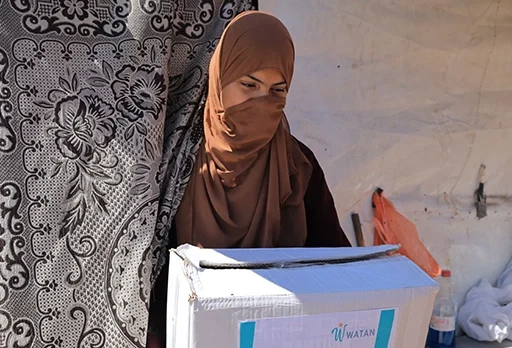
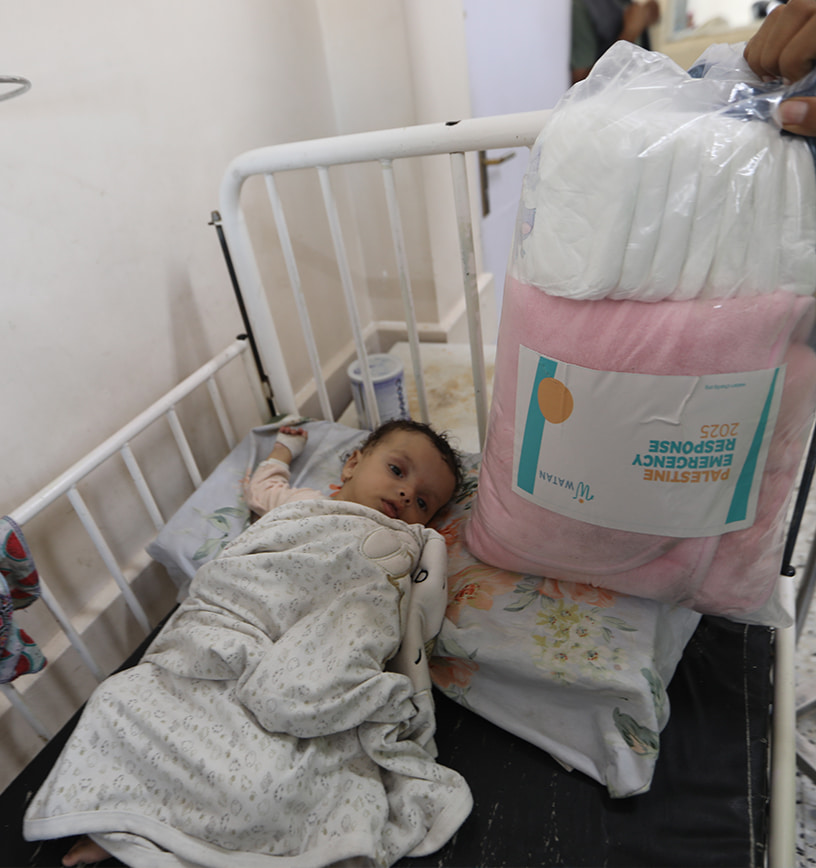
Zakat isn’t just a personal obligation. It moves wealth from those who have it to those who need it. Our team met Fatima — a widow in northern Syria — in March 2025. She’d lost income after her husband died. A Zakat-funded program helped her restart a small trade business. It took less than $200 to change her trajectory. She’s not an outlier. Across displacement zones and poverty belts, Zakat funds food, medicine, and small business support — the kind of quiet, consistent help that rarely makes headlines but keeps families stable.
What Zakat on Savings Means for You Right Now
If your savings have stayed above the nisab for a full lunar year, you owe Zakat — full stop. The nisab in 2025 sits near $5,000 based on the gold standard. The Pew Research Center estimates over 3.5 million Muslims live in the US. A large share hold savings accounts, retirement funds, or idle cash well above that threshold. Many still don’t calculate. That’s not a small oversight — it’s a missed obligation with real weight. The path forward is simple: calculate, verify your hawl, and act.
What Counts as Savings for Zakat?
Most Muslims know cash counts. Fewer know that money market accounts, some retirement funds, and savings bonds can count too. The key test is ownership and access — if the money is yours and you can reach it, scholars include it. Ibn Uthaymeen held that accessible funds in any account fall under Zakat. Check each asset type against that test before you calculate.
When Should You Calculate Zakat on Savings?
Pick one date and keep it every year. Many scholars recommend calculating on the same Islamic calendar date each year — the day your hawl began. If you’re unsure when that was, use your Islamic new year or Ramadan as a fixed marker. The Central Zakat Commission and most fiqh councils accept this approach. Consistency matters more than precision in the starting date.
Behind every Zakat calculation is a decision — small, private, and easy to delay. But the delay has a cost. Somewhere, a family waits on food, medicine, or a chance to restart. At Watan USA, we’ve seen what consistent Zakat does in practice — not one large gift, but steady streams of obligation met, season after season. That quiet consistency is what builds real change. See how this work continues →