
Every year, Muslims around the globe participate in a deeply spiritual event. They perform animal sacrifice in Islam. This takes place during the sacred month of Dhul Hijjah. People often call this practice Qurbani or Udhiya. It represents a powerful act of faith. You submit to God and share your blessings with the world.
Are you preparing for Eid al-Adha this year? Maybe you simply want to learn more about this ancient practice. This guide explains everything clearly. We cover the historic roots, the strict rules, and the beautiful impact it has on communities. You will discover exactly how this tradition feeds the hungry and brings believers closer to their Creator.
The Deep Meaning of Qurbani
Let us look at the true purpose of this worship. The word Qurbani means “to draw near.” When Muslims offer an animal sacrifice in Islam, they seek closeness to God. It is an act of total submission.
You spend your hard-earned money to buy an animal. Then, you offer it purely for the sake of Allah. This process cleanses the human heart. It removes greed and selfishness. You learn true gratitude. Believers remember that God provides all wealth. Therefore, you must share that wealth to please Him. It is a physical action that builds a strong spiritual connection and reminds you of your life’s true purpose.
The Powerful Story of Prophet Ibrahim
To grasp the meaning of Qurbani, you must know Islamic history. The tradition begins with Prophet Ibrahim (Abraham). He faced a massive test of faith. He kept having a vivid dream. In this dream, God commanded him to sacrifice his beloved son, Ismail.
Prophets receive direct messages through dreams. Ibrahim knew he had to obey God’s command. His heart felt heavy, but his faith stayed strong. He explained the dream to his son. Ismail showed incredible courage. He told his father to follow God’s will. Ibrahim raised his hand to do the unthinkable. Right then, a miracle happened. God stopped him immediately. God replaced the boy with a ram. Ibrahim passed the ultimate test. Today, Muslims honor his obedience. They sacrifice an animal to prove their own dedication.
Why Meat and Blood Do Not Reach God
Some people ask a common question about this practice. Does God need the meat or the blood? The Quran provides a very clear answer. Neither the meat nor the blood reaches God. Instead, your piety reaches Him. Your pure intention reaches Him.
Muslims do not sacrifice animals to feed God. They do it to practice self-control. They do it to show mercy to others. When you sacrifice an animal, you recognize the true value of life. You also provide a massive feast for the poor. Many families in poverty wait an entire year just to eat meat. This tradition gives them joy, dignity, and vital nutrition.
The Difference Between Qurbani and Sadaqah
Can you just give money to a poor person instead? Giving general charity is called Sadaqah. Sadaqah is a wonderful act. It brings great rewards. However, it cannot replace Qurbani.
Qurbani is a specific, time-bound duty. It requires a physical sacrifice during the days of Eid al-Adha. Think about fasting during the month of Ramadan. You cannot just pay a fee to skip your fast. You must do the physical act. The same rule applies to the sacrifice. The shedding of blood for God’s sake is the required worship during these specific days.
Who Carries the Duty of Sacrifice?
Islam does not burden people with impossible tasks. Not every single Muslim has to buy a sheep or cow. The duty falls on those who meet specific conditions.
First, the person must be a mature adult. Second, they must be of sound mind. Third, they must be a resident. Travellers do not carry this obligation. Finally, they must have enough savings. Islam calls this minimum wealth threshold “Nisab.” Do your savings exceed the Nisab limit during Eid? If yes, you must offer a sacrifice. The Hanafi school of thought makes it mandatory. Other schools consider it a highly emphasized tradition.
Which Livestock Animals Qualify?
You cannot pick just any animal from a farm. The rules for animal sacrifice in Islam are strict. You must use specific livestock known as “An’am.” These include:
- Sheep: One sheep counts as one share. It covers one person.
- Goats: One goat also counts as one share. It covers one person.
- Cattle: Cows, bulls, and buffaloes divide into seven shares. Up to seven people can pool their money to buy one cow.
- Camels: A camel also splits into seven equal shares.
You cannot sacrifice chickens, ducks, turkeys, or wild animals for this specific worship.
Strict Health and Age Rules for the Animal
You are offering a gift to your Creator. Therefore, the animal must be healthy and strong. You cannot offer a defective animal. You cannot sacrifice an animal that is blind. It cannot have broken horns. It cannot have a severe limp. It must have most of its teeth intact.
The animal must also reach a certain age before you can sacrifice it:
- Sheep: They must be at least six months old. They should look big enough to be a year old.
- Goats: They must be at least one full year old.
- Cows: They must be at least two full years old.
- Camels: They must be at least five full years old.
Showing Excellence and Mercy (Ihsan)
Animal welfare holds a big place in Islamic teachings. Prophet Muhammad ordered believers to show excellence in everything. This concept is called “Ihsan.”
You must show deep mercy when slaughtering the animal. You must use a very sharp blade. This ensures a quick and painless process. You must sever the jugular veins quickly. Never sharpen your blade where the animal can see it. Never slaughter one animal in front of another. You must offer the animal water before the process. Islam outlaws cruelty and unnecessary pain.
The Exact Timing of the Sacrifice
You cannot perform this worship early. The timing matters just as much as the animal. You must wait until the Eid al-Adha prayer finishes. This happens on the morning of the 10th day of the Islamic month of Dhul Hijjah.
If you sacrifice the animal before the prayer, you fail the requirement. It simply becomes regular meat for your family. You have three days to complete the duty. The window stays open on the 10th, 11th, and 12th of Dhul Hijjah. You must finish the slaughter before the sun goes down on the 12th day.
Distributing the Meat with Fairness
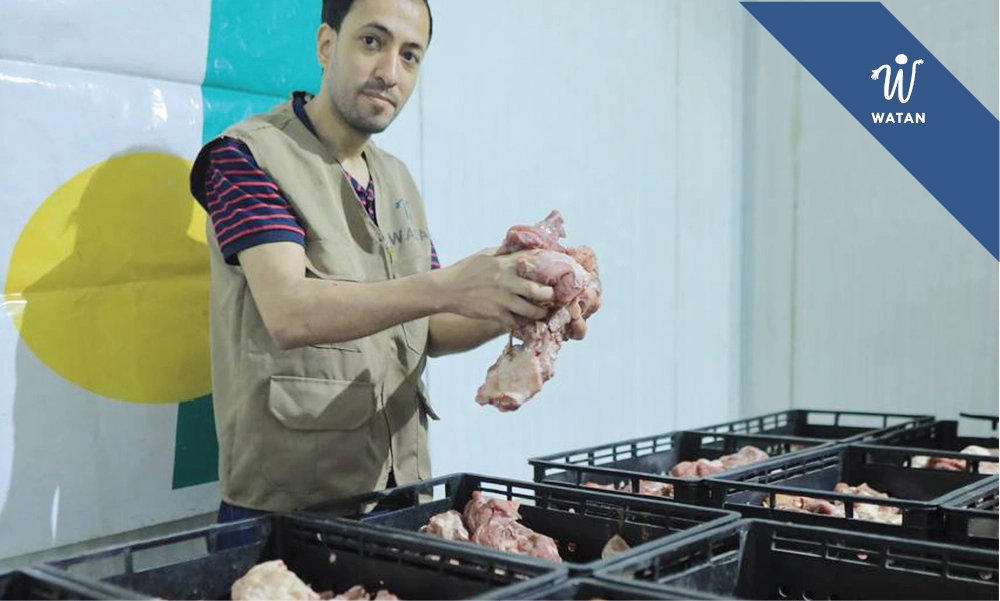
Sharing the harvest brings communities together. Islamic scholars advise a specific way to share the meat. They suggest dividing it into three equal parts.
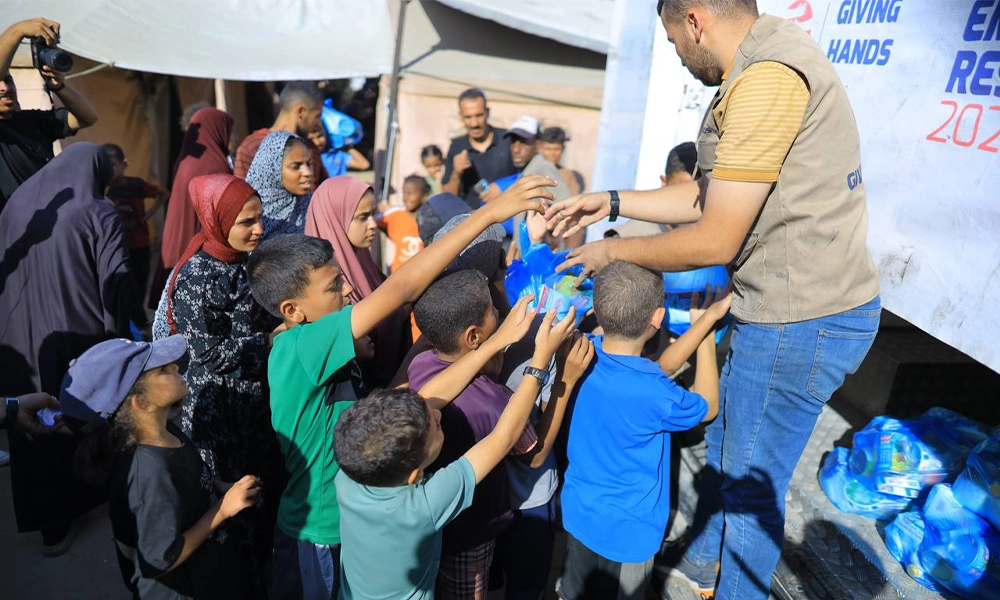
First, you keep one-third for your own home. Your family enjoys a special meal together. Second, you give one-third to friends, neighbors, and relatives. This builds love and unity. Third, you must give the final third to the poor. You help people who struggle to buy food.
If you prefer, you can donate all the meat to charity. The main goal is to eliminate hunger during the days of Eid.
Fulfilling Your Duty Safely with Watan USA
Today, many Muslims live in busy American cities. City laws often prevent people from keeping or slaughtering livestock. Furthermore, many believers want their sacrifice to help people in war zones or refugee camps.
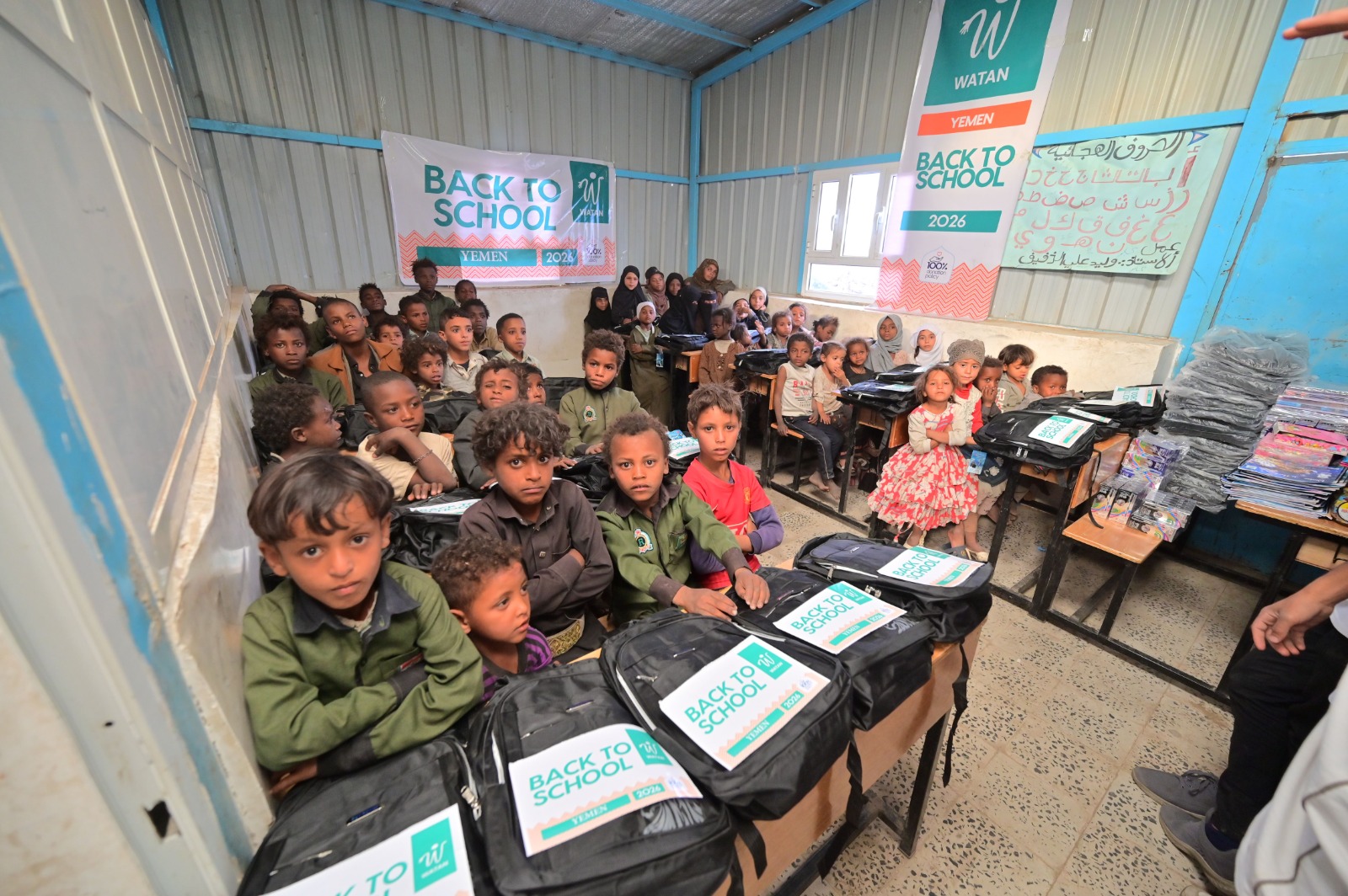
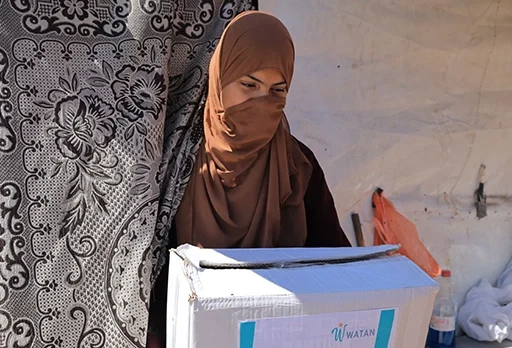
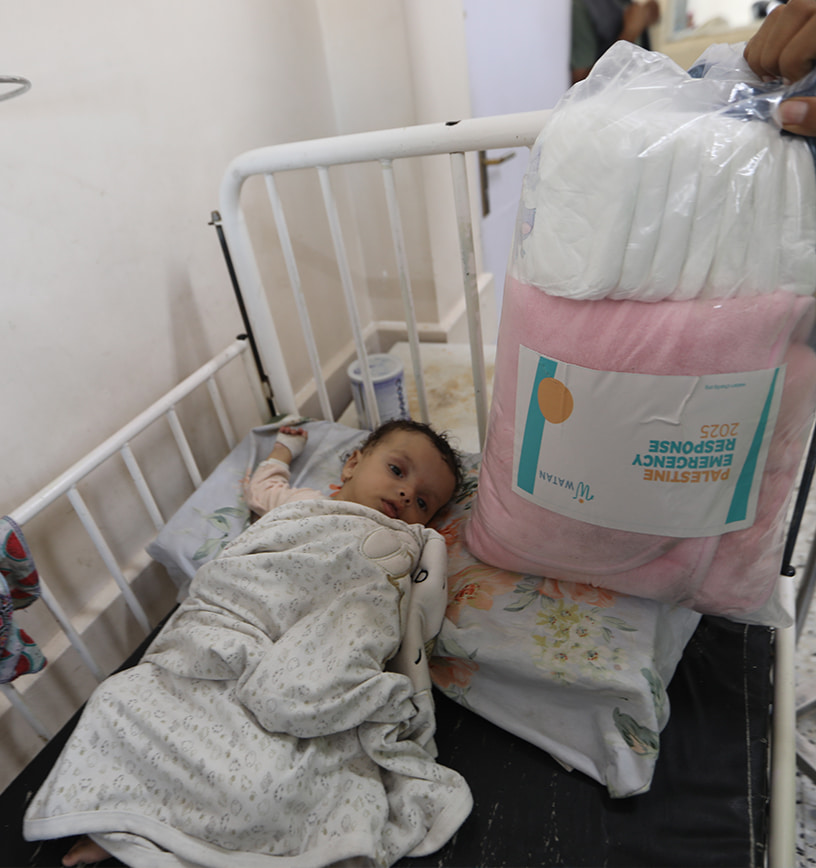
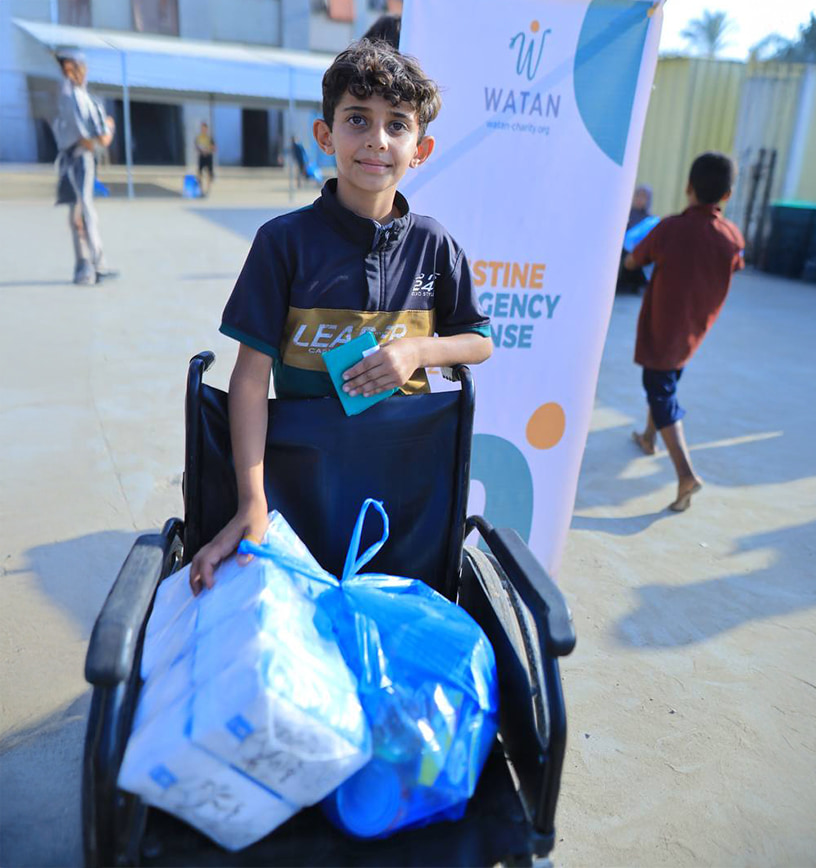
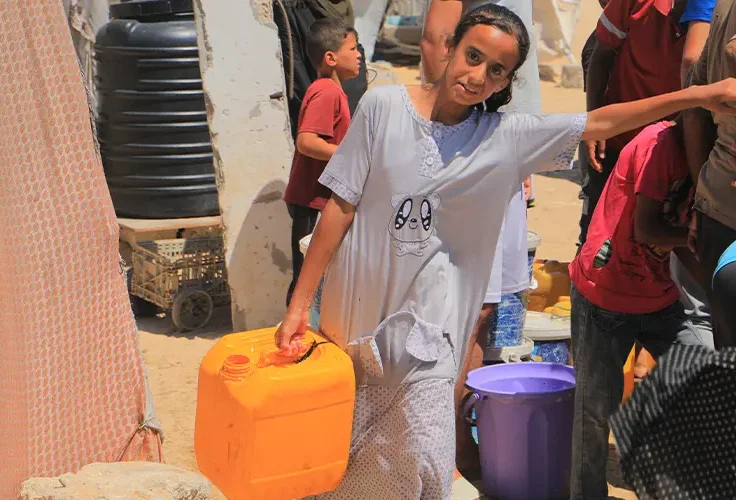
This is where Watan USA steps in. You can easily trust Watan USA (https://delta.watanusa.org/) to handle your Qurbani. The organization follows every Islamic rule perfectly. They select healthy animals. They ensure an ethical slaughter. Most importantly, they deliver fresh, nutritious meat to the world’s most vulnerable families. When you donate through Watan USA, your sacrifice reaches orphans, widows, and refugees who desperately need your help.
Final Thoughts
The practice of Qurbani connects us to our faith and our fellow humans. We spend our wealth to seek God’s pleasure. At the exact same time, we provide essential food to the poor. By following the rules regarding the animal’s health, the timing, and the meat distribution, we honor a massive Islamic legacy. Whether you do it locally or send your donation through a trusted group like Watan USA, your sacrifice creates a beautiful ripple of hope across the globe.