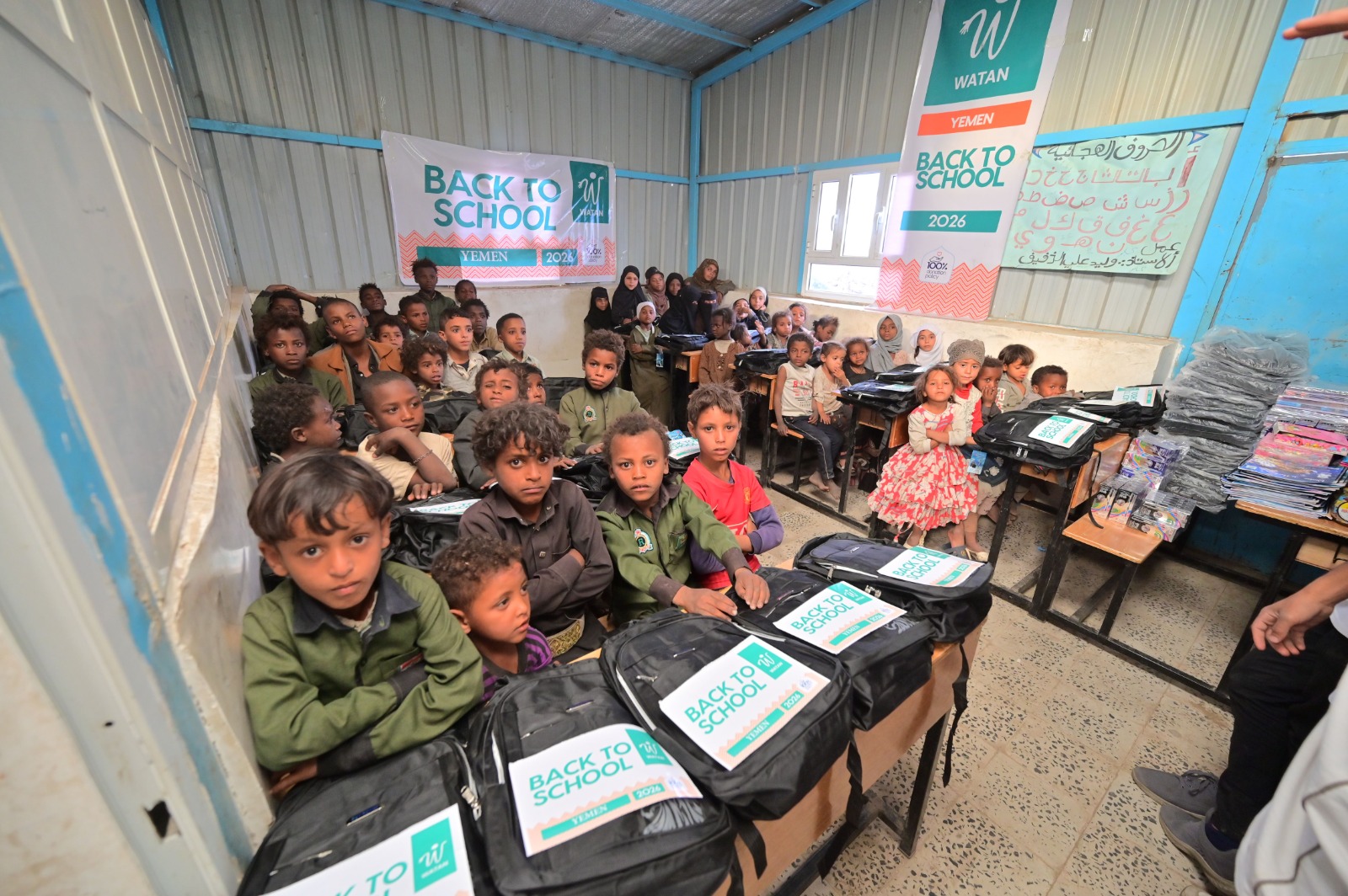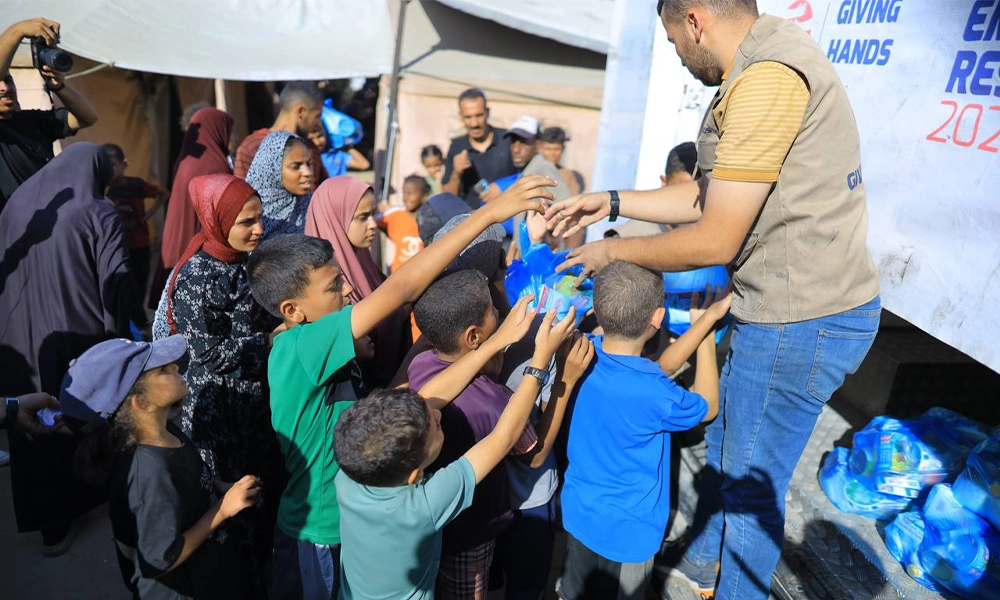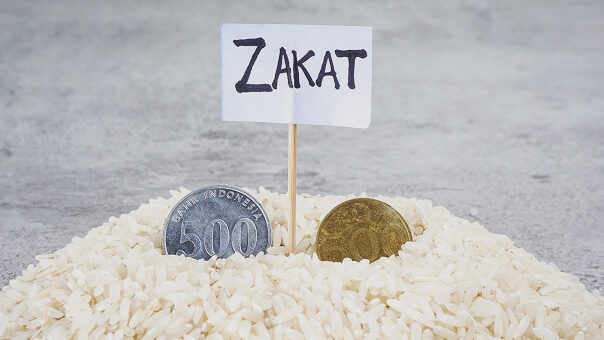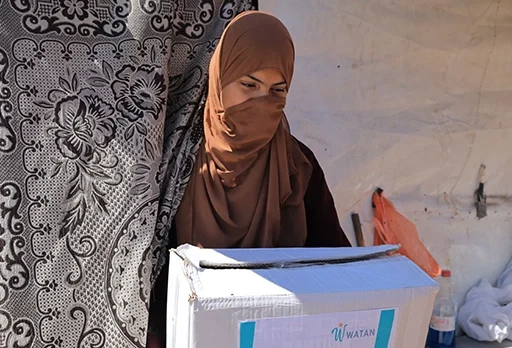

Sadaqah is voluntary charity given by a Muslim for the sake of Allah. It’s not required – but it’s one of the most rewarded acts in Islam. Unlike Zakat, sadaqah has no fixed amount or deadline. Even a smile, a kind word, or a dollar counts.
Why Sadaqah Still Matters – and Always Will
Sadaqah isn’t just spiritual – it moves real money to real people. The World Bank estimates over 700 million people still live on less than $2.15 a day. When Muslims give, even small amounts close that gap. And the giver gains – every authentic narration makes that plain.
Sadaqah by the Numbers: What Most People Don’t Know
Muslim-majority countries gave an estimated $300–$600 billion USD in charitable giving annually, according to research cited by Charities Aid Foundation. Most of that is sadaqah – not Zakat. So voluntary giving already shapes lives at scale. And scholars like Ibn Uthaymeen taught that even the smallest sadaqah, given with sincerity, carries weight with Allah.
What Are the Benefits of Giving Sadaqah in Islam?
Sadaqah brings rewards in this life and the next. It protects against harm, multiplies wealth, and heals the heart. The Prophet Muhammad ﷺ said: “Charity does not decrease wealth” (Sahih Muslim, 2588). That’s not metaphor. Scholars like An-Nawawi explained it as both literal blessing and spiritual increase.
Does Sadaqah Really Protect Against Harm?
Yes. The Prophet ﷺ taught that sadaqah extinguishes sins the way water puts out fire (Tirmidhi, 614). Many Muslims give after a fright, an illness, or a close call — not from fear, but from trust. It’s a shield, not a transaction.
Can Sadaqah Heal the Giver?
It can. Research from University of British Columbia found that spending on others raised happiness more than spending on yourself. Islam knew this long before the study. Giving breaks the grip of greed — and greed is what quietly ruins lives.
Does Sadaqah Multiply Wealth?
Allah says in the Quran: “Who is it that would loan Allah a goodly loan so He may multiply it for him many times over?” (Quran 2:245, Sahih International). Scholars like Ibn Baz taught that barakah — real blessing — enters a home through open hands, not closed fists.
Types of Sadaqah: More Than Just Money
Sadaqah covers any good act done for Allah’s sake. Money is one form. But the benefits of giving sadaqah in Islam stretch far beyond the wallet. The Prophet ﷺ listed smiling, giving directions, and removing harm from a path as sadaqah (Sahih al-Bukhari, 2989).
Sadaqah Jariyah – the Continuous Kind
This is ongoing charity. A well, a school, a planted tree — each one keeps earning reward after death. UNICEF data shows 703 million people lack clean water access. A single water point serves hundreds for decades. That’s sadaqah jariyah working at scale.
Sadaqah With Time and Skills
A doctor who treats patients free of charge gives sadaqah. A teacher who stays late gives sadaqah. Our team in March 2025 met a local woman named Umm Khaled — she spent her mornings teaching displaced children to read. No money changed hands. But that’s one of the most powerful forms of sadaqah.
Sadaqah With Kind Words
The Prophet ﷺ said a good word is sadaqah (Sahih al-Bukhari, 2989). So is calming someone who’s scared, or defending someone’s honor. These acts cost nothing — but their weight on the scale is real.
Common Mistakes People Make With Sadaqah
Many Muslims give – but some habits quietly reduce the reward. Knowing these mistakes is part of understanding the full benefits of giving sadaqah in Islam.
Giving to Be Seen
Allah warns against charity that follows harm or boasting (Quran 2:264, Sahih International). If the motive shifts to reputation, the reward can vanish. Scholars call this riya — showing off. It’s subtle, and it creeps in fast.
Waiting Until You’re “Rich Enough”
This is the most common delay. But the Prophet ﷺ gave when he had little. The Quran praises those who give “in ease and in hardship” (Quran 3:134, Sahih International). Small, regular giving beats one large, delayed gift — spiritually and practically.
Giving Then Reminding the Receiver
Following a gift with a reminder of it cancels the reward. Allah says this clearly in Surah Al-Baqarah (2:262). Give — then let it go. The act belongs to Allah now, not to you.
Who Benefits Most From Sadaqah?
The receiver benefits first – but the giver gains too. And the benefits of giving sadaqah in Islam reach specific people in ways that are easy to overlook.
What Sadaqah Means for You Right Now
The benefits of giving sadaqah in Islam aren’t distant or abstract. They start the moment you give — with your wealth protected, your record growing, and someone’s burden lightened. See how sustained giving shapes real lives →.
Start Where You Are
You don’t need a big amount. A smile counts. So does $5. The Prophet ﷺ said even removing harm from a road is sadaqah (Sahih Muslim, Book 1, Hadith 432). Start small. Stay consistent.
Make It a Habit, Not an Event
One gift is good. A habit is better. Scholars like Ibn al-Qayyim wrote that regular giving trains the soul away from greed. Set a weekly amount – even $10 – and protect it.
Behind every family that eats tonight, behind every child who gets clean water, there’s a long line of people who chose to stay involved long after the headlines moved on. At Watan USA, we’re one of those quiet lines — and the work keeps going because of it.