
Yes, zakat can be given to orphans, but only if they are poor. Being an orphan alone doesn’t qualify a child. Islam defines eight categories of zakat recipients, and poverty is the key condition. Orphans who have inherited wealth or receive enough support don’t qualify. But orphaned children with no financial means fall clearly within zakat’s scope, and most scholars agree on this.
Why This Question Matters for Muslim Donors Today
UNICEF estimates there are about 140 million orphaned and vulnerable children worldwide. Most live in deep poverty. For US Muslim donors, knowing whether zakat reaches orphaned children isn’t just a legal question. It shapes how they plan their annual giving. Many orphan sponsorship programs run on a mix of zakat and sadaqah funds, so understanding the difference protects the validity of your worship. Watan’s orphan sponsorship program is built around this distinction, ensuring zakat funds go only to children who qualify under Islamic law. Getting this right matters, both spiritually and practically.
Key Facts About Zakat Eligibility for Orphans
Islam’s zakat rules come from Surah At-Tawbah (9:60), which lists the eight valid recipients. Orphans aren’t named as a separate category. They qualify under “the poor” or “the needy,” which Imam al-Nawawi and other classical scholars confirm. A child with a living parent but no income can also qualify if that parent can’t provide. According to Pew Research, roughly 3.45 million Muslims live in the United States, many of whom calculate and distribute zakat annually. Knowing which children are eligible keeps that zakat valid. An orphan with inherited assets above the nisab threshold doesn’t qualify, and scholars are clear on this point.
Does an Orphan’s Financial Status Affect Zakat Eligibility?
Yes. An orphan’s wealth determines whether zakat is valid for them. A child who inherited land, savings, or assets above the nisab threshold doesn’t qualify as a zakat recipient, even if they have no living father. Nisab is currently valued at about $450 to $500 in gold equivalent. Scholars like Ibn Uthaymeen held this position clearly. But an orphan with no assets, no income, and no guardian able to provide does qualify. Most orphaned children in displaced or conflict-affected communities fall into this second group. Their need is real, and their eligibility is strong.
What Counts as Orphan Wealth?
Inherited property, savings accounts, livestock, and rental income all count toward nisab. If a father left behind land that generates income, a fiqh-minded scholar would assess that income first. Only when it falls below the threshold does zakat become valid. Many families don’t know this rule. They assume loss of a parent alone creates eligibility. It doesn’t. The financial picture matters as much as the family structure.
What If the Guardian Is Poor but the Orphan Has Assets?
This is a real scenario. A grandmother raising three orphaned grandchildren may be destitute herself. But if the children inherited wealth above nisab, zakat isn’t valid for the children, though it may be valid for her. Classical scholars distinguished clearly between the guardian’s needs and the orphan’s eligibility. A qualified local scholar or zakat institution can assess both. Giving zakat to the grandmother personally, if she qualifies, is often the right path in cases like this.
Common Misconceptions About Zakat for Orphans
Many US Muslims assume that any child without a father automatically qualifies for zakat. This is the most common mistake, and it leads to misplaced funds. The orphan must meet the same needs-based criteria as any other recipient. Age adds another layer of confusion. In many schools of thought, once an orphan reaches puberty, they’re no longer legally an orphan under Islamic jurisprudence. Some scholars, including classical Hanbali voices, defined the orphan status as ending at maturity. So a 17-year-old without a father may still qualify as “needy” but not strictly as an orphan.
Does Sadaqah Fill the Gap When Zakat Doesn’t Apply?
Yes. And this is important. If an orphan doesn’t meet zakat criteria, sadaqah remains open and carries deep reward. The Prophet Muhammad (peace be upon him) described caring for an orphan as placing the caregiver close to him in paradise, as narrated in Sahih al-Bukhari. Sadaqah has no nisab restriction, no eligibility threshold, and no category requirement. It’s valid for any child in need, regardless of their financial standing. Many orphan sponsorship programs blend both. Understanding which funds go where keeps your ibadah sound.
How Zakat Reaches Orphans Through Trustworthy Programs
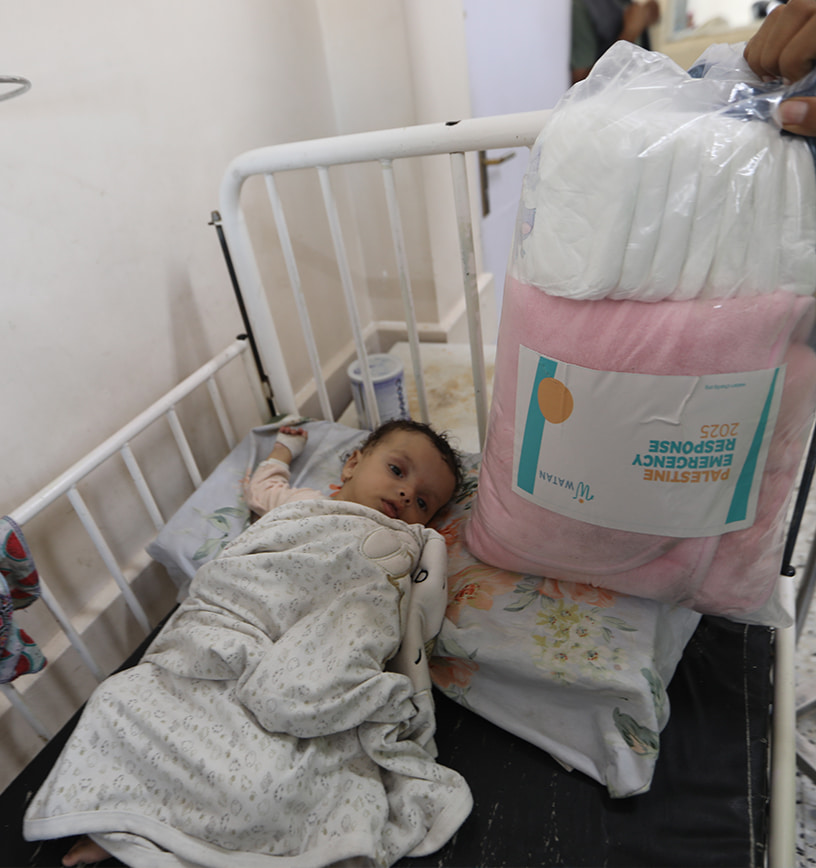
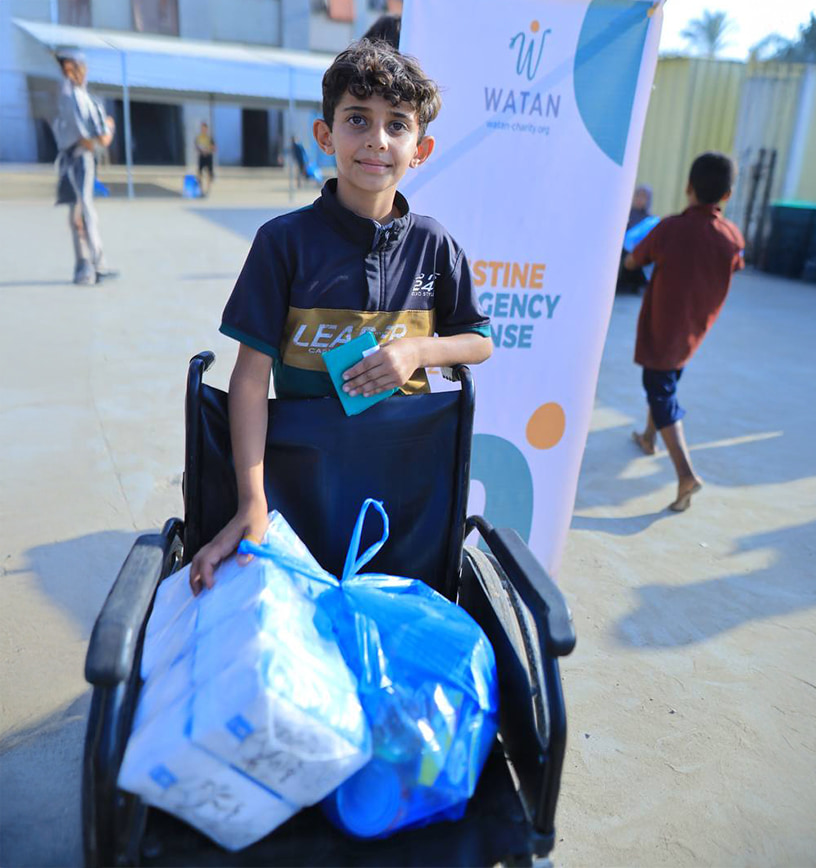
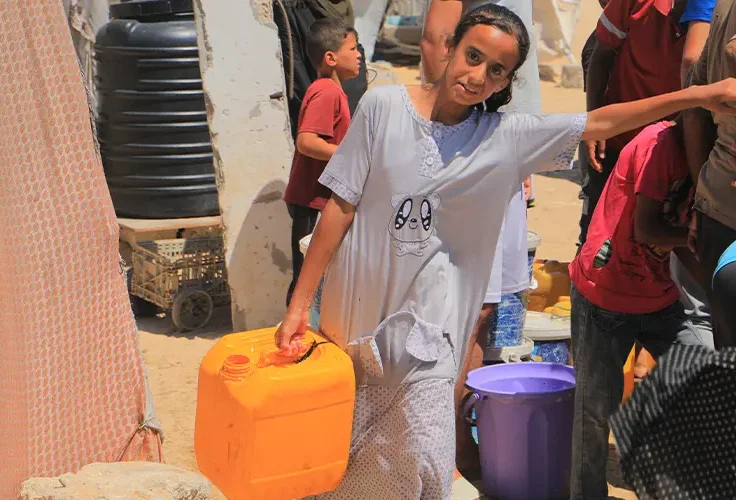
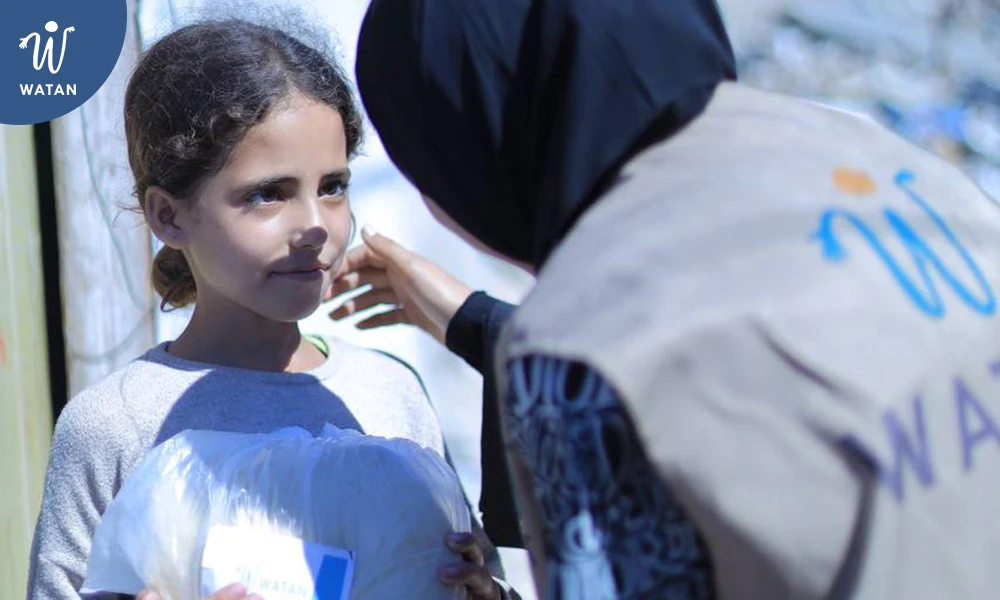
Direct zakat distribution to individual orphaned children is possible but complex. Most donors don’t have the tools to verify eligibility, assess household assets, or track nisab thresholds across borders. This is why structured programs matter. A well-run orphan sponsorship program carries out that verification. It checks the child’s situation, confirms their needs fall within zakat criteria, and allocates funds accordingly. Palestinian, Bangladeshi, Somali, and Rohingya communities all include large numbers of orphaned children who’ve been assessed and confirmed as eligible. Change for these families isn’t sudden. It comes from people who decide, quietly, that this cause deserves their consistent attention year after year.
What Every Muslim Should Know Before Giving Zakat for Orphans
Zakat can reach orphans, but only when they meet the nisab-based poverty threshold. The child’s household must genuinely lack sufficient means. According to UNICEF, over 140 million children worldwide have lost at least one parent, and many live in conditions that meet zakat eligibility criteria. Sadaqah covers every orphan in need, with no threshold required. Knowing the difference keeps your worship sound. Programs that verify eligibility carry out the hard work of assessment on your behalf, so your giving lands where it counts.
Does the Orphan’s Age Affect Zakat Eligibility?
Age matters in one specific way. Once an orphan reaches adulthood and can earn a living, their eligibility depends on their actual financial state, not their past circumstances. A young adult who inherits assets or holds a job may no longer qualify. But a child who is young, has no earning guardian, and lives in poverty fits the fuqara or masakin categories. Scholars like Imam al-Nawawi confirmed that genuine need, not age alone, determines who receives zakat funds.
Can Zakat Pay for an Orphan’s Education or Schooling Costs?
Scholars differ on this. The majority position holds that zakat covers direct, immediate needs: food, shelter, clothing, and basic medical care. Education spending from zakat funds requires a scholar’s ruling in your specific situation. Sadaqah, however, covers school fees, books, and learning materials without restriction. Many orphan programs blend both streams wisely, using zakat for core living costs and sadaqah for education and development support.
Behind every child who grows up with stability is a long chain of quiet, consistent decisions. Someone chose to keep showing up, year after year, long after the news moved on. At Watan, our programs across multiple regions give that consistency a structure, so your giving reaches children whose situations have been carefully reviewed and confirmed. See how this work continues at watanusa.org/our-work.