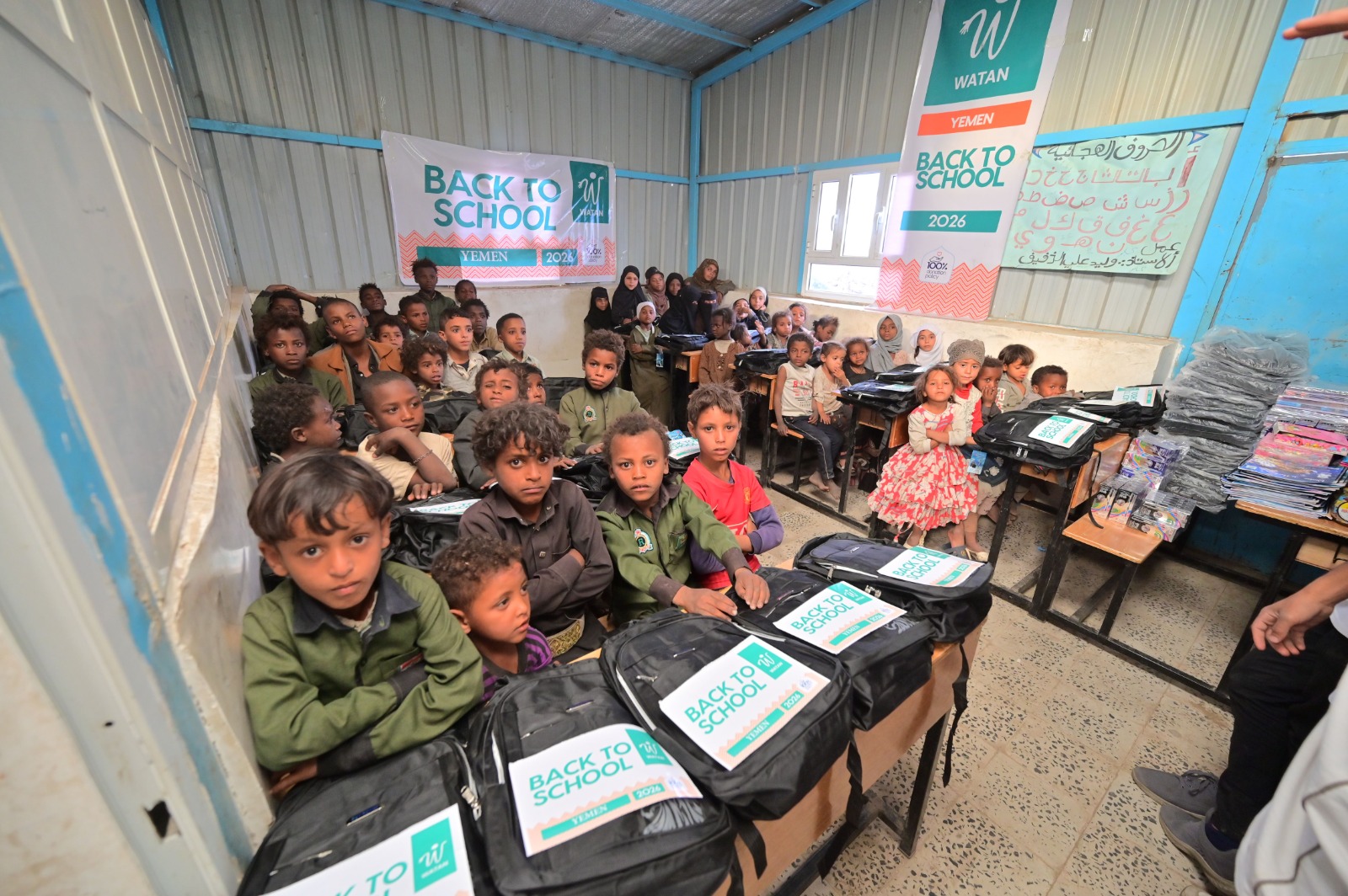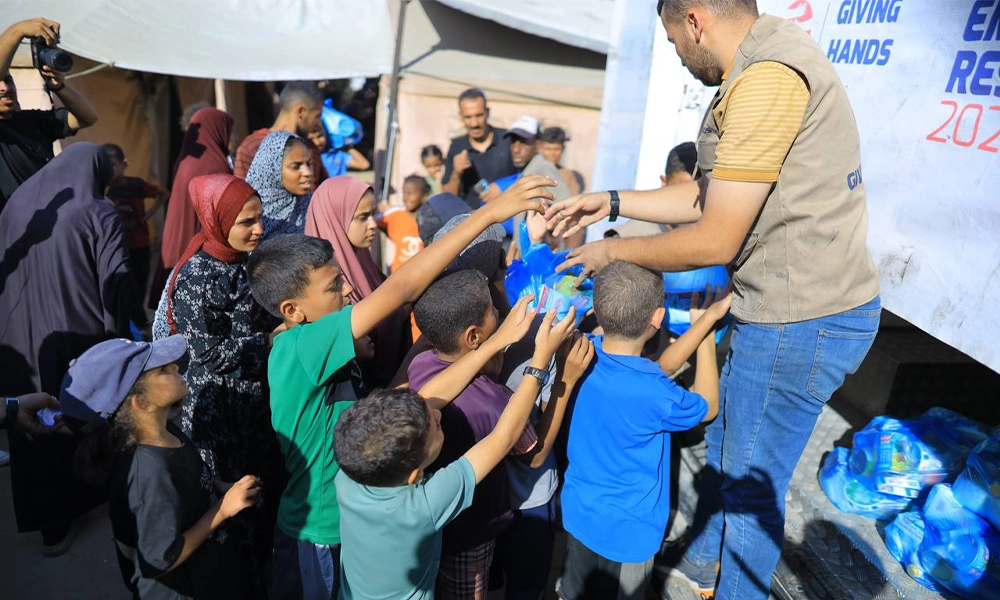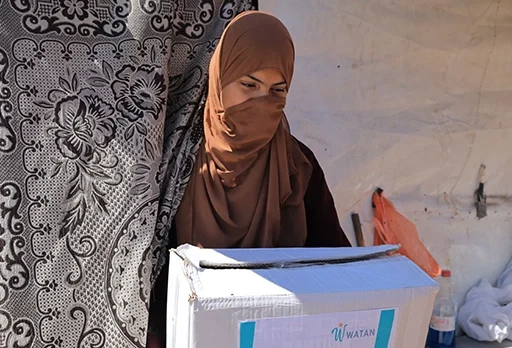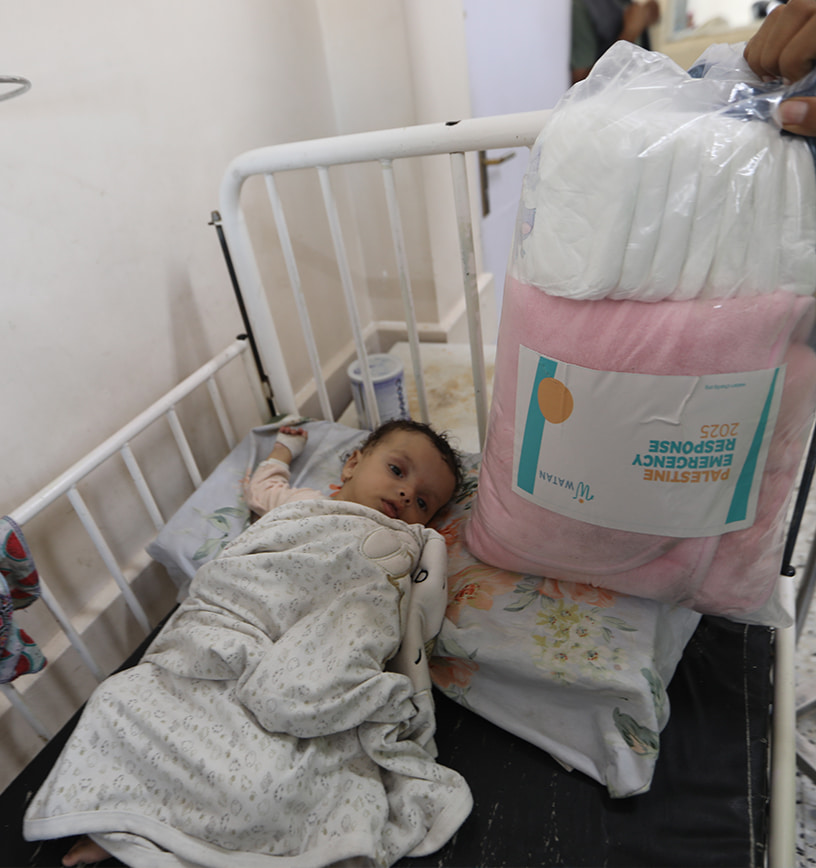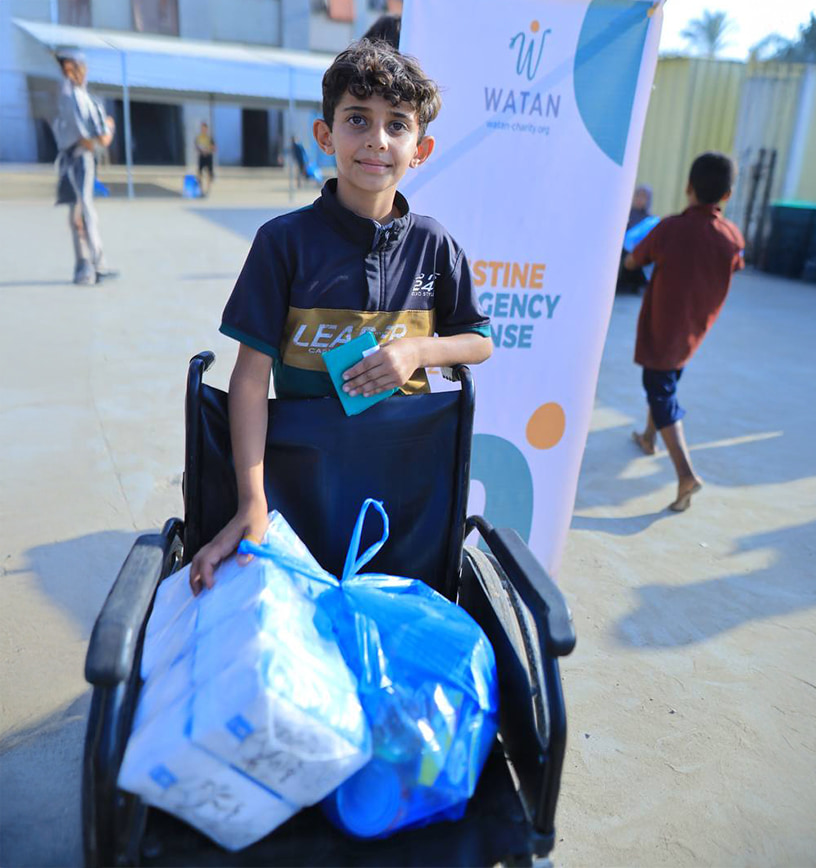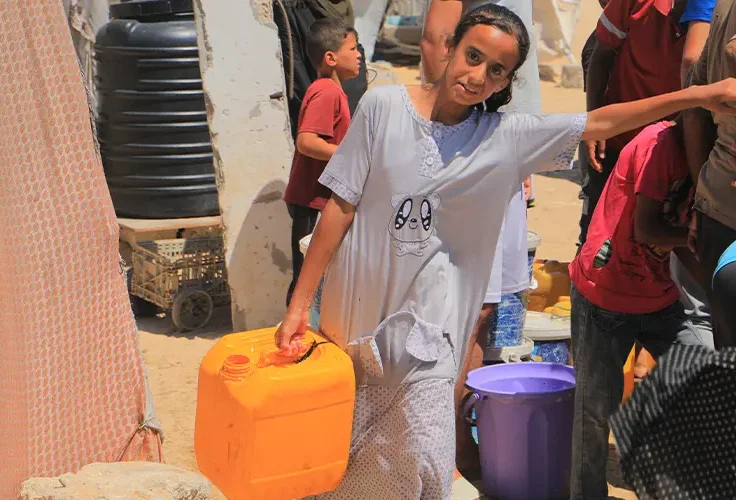

When Americans donate to Palestine, they send funds to support Palestinian families facing one of the world’s worst humanitarian crises. Gaza alone is home to over 2.3 million people, most of whom depend on outside aid for food, clean water, and shelter. US-based donors can give through IRS-registered 501(c)(3) nonprofits, making contributions tax-deductible. The need is ongoing, and American Muslims are among the most consistent donors supporting Palestinian relief efforts.
Why Donating to Palestine From the USA Matters Right Now
Palestinian civilians have faced decades of displacement and loss. According to UNICEF, more than 1 million Palestinian children need humanitarian aid. That number keeps growing. Gaza families are cut off from basic supplies, and local infrastructure has been severely damaged. US donors play a real role here. Giving through a vetted American nonprofit means funds move through legal, accountable channels. You can learn more about our ongoing Palestine relief work at Watan. American Muslim donors are also among the most educated givers in the country. They ask the right questions. They want to know where money goes, how it’s used, and who it reaches. That level of care matters for the communities we serve.
Key Facts About Donating to Palestine From the USA
The US is home to one of the most active Muslim donor bases in the world. Pew Research estimates there are around 3.45 million Muslims in the United States. A large share of them give regularly to international causes, and Palestine tops the list. The UN Office for the Coordination of Humanitarian Affairs (OCHA) has classified Gaza as facing catastrophic food insecurity. Cash donations through 501(c)(3) charities are fully tax-deductible for US taxpayers under IRS rules. A gift of $50 can cover emergency food for a Palestinian family for several days. Gazarian children and displaced families are the primary recipients of most aid programs. Choosing a charity with clear field reporting and IRS registration protects both the donor and the people they’re trying to help.
What Makes a Palestine Charity Legitimate in the US?
A legitimate Palestine charity in the US holds 501(c)(3) status with the IRS. This means the federal government has reviewed its finances and confirmed it operates for charitable purposes. It files annual Form 990 reports, which are public records. Any donor can search the IRS Tax Exempt Organization database to verify a charity’s status before giving. Legitimate organizations also maintain clear field reporting, showing where funds go and who receives them. They work with vetted local partners on the ground. Transparency isn’t a bonus feature. It’s the baseline for trust.
How to Verify a Palestine Charity’s IRS Status
The IRS Tax Exempt Organization Search tool is free and open to anyone. You type in the charity name and confirm its 501(c)(3) classification. You can also check its most recent Form 990, which shows revenue, expenses, and executive compensation. According to IRS guidelines, donors who give to non-registered organizations cannot claim a federal tax deduction. Verification takes about five minutes and protects both the donor and the families waiting for aid.
What Red Flags Should Donors Watch For?
Watch for charities that can’t name their local partners in Gaza. Watch for vague language like “funds go to the region” with no breakdown. Pressure tactics, no Form 990 filings, and unverifiable impact claims are all warning signs. The Better Business Bureau’s Wise Giving Alliance recommends that charities spend at least 65% of total expenses on program activities. If a charity spends most of its budget on fundraising costs, the money isn’t reaching Palestinian families.
Who Needs Help Most in Gaza Right Now?
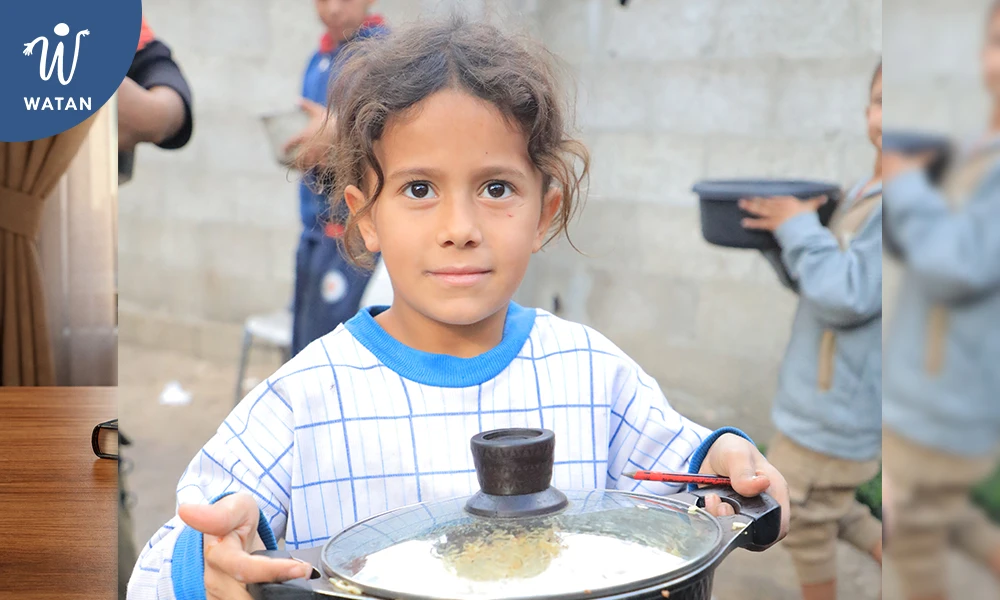
Palestinian children and displaced families face the worst of the current crisis. According to UNICEF, children make up nearly half of Gaza’s population. Many have lost homes, schools, and access to clean water. The UN World Food Programme has reported widespread acute malnutrition among Gaza children under five. Pregnant women and new mothers face critical shortages of medical care. Elderly residents with chronic conditions have lost access to medication and hospitals. The need isn’t spread evenly. It concentrates in the people least able to protect themselves.
How Does Aid Actually Reach Palestinian Families?
Aid reaches Palestinian families through a network of vetted local organizations, UN agencies, and international NGOs working inside Gaza and the West Bank. The UN Office for the Coordination of Humanitarian Affairs tracks and coordinates aid flow across multiple entry points. US-based charities wire funds to approved local partners who manage distribution on the ground. Cash-based assistance has grown because it lets families choose what they need most. But supply routes remain restricted and unpredictable. A donation made in the US today may take days or weeks to reach its destination, depending on access conditions.
Why Local Partners Matter
Local partners know the streets, the families, and the risks. They operate in areas where foreign staff cannot safely go. They speak the language and hold community trust. International charities that skip this layer often miss the most vulnerable. Watan works with established local networks to make sure aid reaches Gazarian families who need it most. Real change here is rarely sudden. It comes from small, sustained efforts, season after season, carried forward by teams that show up even when no one is watching.
Does Donating to Palestine From the USA Make a Real Difference?
Yes. American Muslims represent one of the most generous donor communities in the world. Pew Research data shows the US Muslim population is among the highest-educated and highest-earning minority groups in the country. That translates into real giving power. A single $50 contribution can cover emergency food for a Palestinian family for several days. Consistent monthly gifts fund longer-term programs like medical aid, shelter repair, and child nutrition. One-time gifts help in a crisis. But it’s the donors who give month after month who make sustained recovery possible for Gazarian communities.
What American Muslims Should Know About Donating to Palestine
Palestinian families are living through one of the worst humanitarian crises in modern history. According to UNICEF, over one million children in Gaza face acute malnutrition. American Muslim donors have real power here. Pew Research confirms US Muslims rank among the most educated and highest-earning minority communities in the country. That means giving capacity is strong. Consistent, informed giving, directed through accountable channels, reaches Gazarian families at their point of greatest need. The question is not whether your support matters. It is how to make it count.
How to Make Sure Your Support Reaches Gaza Families
Not all aid organizations operate the same way. The most effective ones work through verified local partners on the ground. They maintain transparent reporting and comply with US financial regulations. When you support Palestine from the US, look for organizations with clear accountability structures, IRS 501(c)(3) status, and a documented presence in the region. Watan operates this way. The team works through trusted local networks to move aid to Palestinian and Gazarian communities even in the most restricted areas.
Why Ongoing Support Matters More Than One-Time Gifts
A single gift helps in a crisis. But recurring support changes lives. Palestinian communities in besieged areas need consistent food, medical care, and shelter across months and years, not just in the acute phase of an emergency. UNICEF data shows that sustained nutrition programs reduce child mortality far more than emergency-only responses. Monthly giving, even at $30 or $50, funds the kind of long-term work that keeps Gazarian children in programs and Palestinian families stable between crises.
Behind every aid delivery is a team that stayed. The headlines shift. The cameras move. But the need in Gaza does not stop when the news cycle does. Watan’s work continues in Palestinian and Gazarian communities long after public attention fades. That quiet, sustained presence is what real recovery is built on. If you want to understand the full scope of this work and the communities it serves, see how this work continues at watanusa.org/our-work.