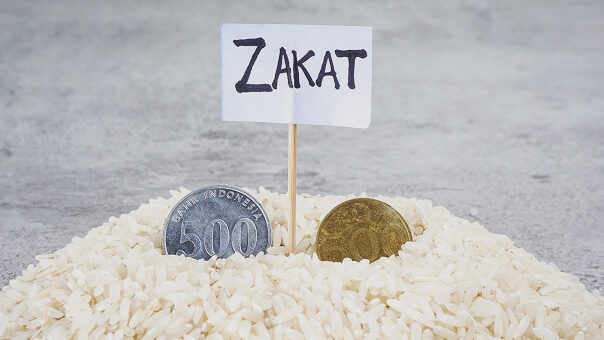


Paying missed zakat means calculating and paying the zakat you owed in past years but didn’t pay on time. It’s an obligation that doesn’t expire. Scholars across all four major madhabs agree: if you missed zakat, you still owe it. That debt sits on your wealth until you settle it. Every Muslim who met the nisab threshold in a past year must go back and pay what they owe.
Why Paying Missed Zakat Matters Right Now

Zakat isn’t a voluntary gift. It’s a pillar of Islam, and scholars treat unpaid zakat as a serious financial liability on the soul. The Quran is direct: “Take from their wealth a charity by which you purify them” (Surah At-Tawbah, 9:103, Sahih International). When zakat goes unpaid for years, the gap between the ummah’s wealth and the world’s need grows wider. According to the World Bank, over 700 million people live on less than $2.15 USD a day. Zakat, correctly paid and distributed, is one of the most targeted poverty-reduction tools in Islamic tradition. You can learn more about how Watan distributes zakat to families who need it most.
Key Facts About Missed Zakat Most Muslims Don’t Know
Many Muslims assume missed zakat can’t be recovered or that the obligation fades with time. It doesn’t. Imam al-Nawawi, the great Shafi’i scholar, confirmed that zakat remains a debt on a Muslim’s estate, even after death. Ibn Baz and Ibn Uthaymeen both held the same view for the Hanbali tradition. You calculate each missed year separately, using that year’s nisab value and your actual wealth at the time. If you can’t recall exact figures, scholars permit a reasonable estimate. Pew Research data shows Muslim Americans control substantial collective wealth, meaning the zakat gap in this community alone runs into tens of millions of dollars annually.
How to Pay Missed Zakat: A Step-by-Step Method
Paying missed zakat starts with identifying every year you missed. Work backwards from today. For each missed year, calculate your total zakatable assets at that time. This includes cash, gold, silver, trade goods, and investments held for a full lunar year above the nisab. Then apply the standard 2.5% rate to that year’s total. Scholars like Ibn Uthaymeen confirmed you calculate each year separately, not as a single combined figure. If you can’t recall exact amounts, Islamic jurisprudence allows a reasonable estimate based on what you genuinely believe you held. Intention matters. Start the process, even if your figures aren’t perfect.
What If You Can’t Remember Your Exact Wealth?
Many Muslims freeze here. They worry that uncertainty makes the calculation invalid. But scholars permit good-faith estimates. Think back to your income, savings, and assets in each missed year. Use bank statements, tax records, or pay stubs to reconstruct the picture. According to IRS tax filing records, most Americans have documentation going back at least seven years. Use what you have. Where records end, make a careful, honest estimate. Paying more than the minimum is safe and accepted.
Do You Pay Interest or Penalties on Missed Zakat?
No, Islam doesn’t charge interest on unpaid zakat. The obligation stays fixed at 2.5% of zakatable wealth for each missed year. There’s no penalty rate added on top. But scholars do urge speed. The longer you wait, the more the gap grows between what you owe and what the poor haven’t received. Imam al-Nawawi wrote that the obligation persists as a debt, not a fine. So the amount you owe stays the same. But your moral urgency to pay it should grow, not shrink.
Common Mistakes When Calculating Missed Zakat
Most errors happen in three areas: what you count, what you exclude, and which nisab value you use. Some Muslims include their home, their car, or their personal jewelry worn daily. These are typically excluded from zakatable assets under the majority scholarly view. Others forget to include business inventory, rental income savings, or money owed to them that they expect to recover. The nisab changes based on gold or silver prices each year. Using today’s nisab for a year you missed ten years ago gives you the wrong figure. Always check the nisab value for each specific year you’re calculating.
Forgetting the Lunar Year Rule
Zakat only becomes due after wealth stays above the nisab for a full Islamic lunar year. This is called the hawl. If your savings dipped below the nisab at any point during that year, no zakat was due for that year. Some Muslims pay zakat on wealth they held for only a few months. That’s not required. Go through each year carefully. Ask: Did my assets stay above nisab for the entire hawl? If yes, zakat was owed. If no, you may owe nothing for that year.
Using the Wrong Nisab Threshold
The nisab is either 85 grams of gold or 612 grams of silver. Most contemporary scholars recommend using silver, as it sets a lower threshold and ensures more people fulfill the obligation. Gold and silver prices shift every year. A year when silver was worth $20 per ounce gives a very different nisab in USD than a year when it hit $30 per ounce. Use a reliable Islamic finance resource to check the nisab in USD for each specific year you’re calculating. Getting this number right is the foundation of an accurate repayment.
Who Is Most Affected When Zakat Goes Unpaid?
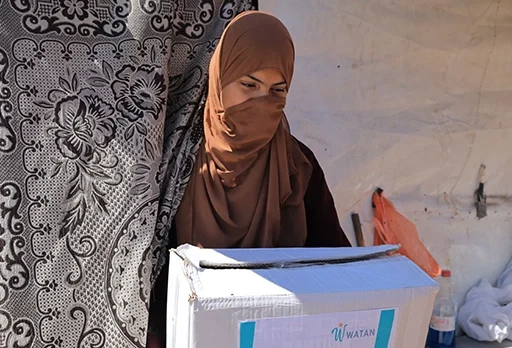
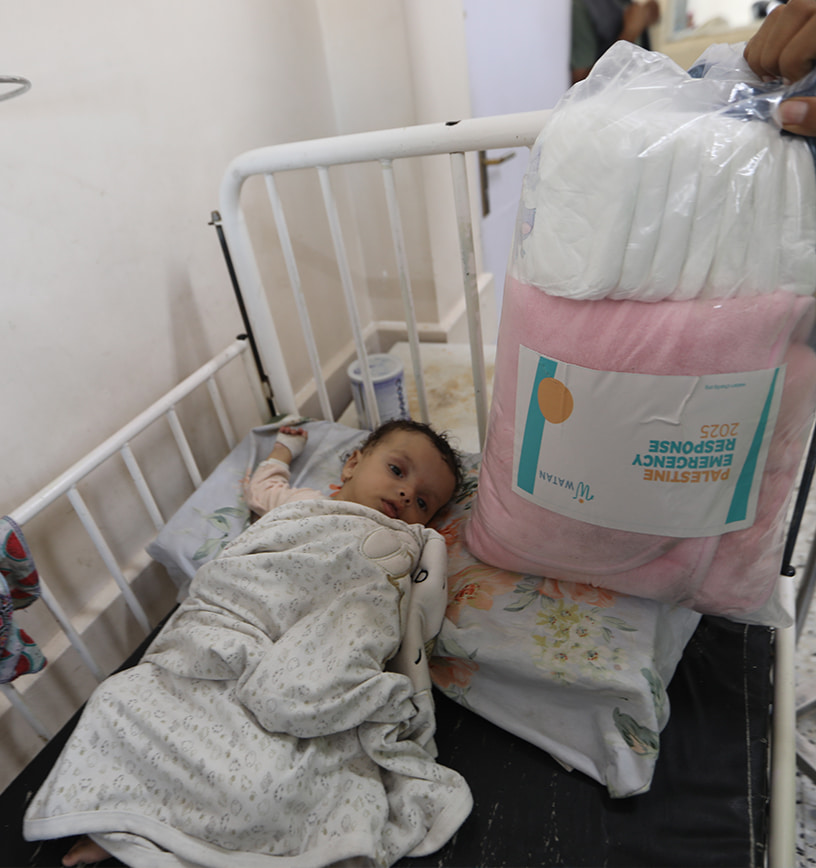
Unpaid zakat doesn’t stay abstract. It has a real human cost. UNICEF estimates that about 333 million children worldwide live in extreme poverty today. Zakat, when paid correctly, flows directly to eight categories named in Surah At-Tawbah. The poorest of the poor sit at the top of that list. Bangladeshi families, Somali communities, and Palestinian households living through displacement depend on sustained charitable flows to meet basic needs. Every year of missed zakat is a year those families waited for support that never came. That’s a weight worth feeling.
Quiet, consistent attention from those with the means to give is what keeps long-term aid programs running, season after season.
What Paying Missed Zakat Actually Means for You
Missed zakat is a debt. It sits on your account until you pay it back. The good news is that scholars across all four madhabs agree: repayment is valid at any time, and Allah accepts sincere tawbah paired with action. Start by listing every year you had wealth above the nisab. Then calculate what you owed. The Accounting and Auditing Organization for Islamic Financial Institutions estimates global zakat potential at over $300 billion annually, which shows how many Muslims carry this same responsibility. Work year by year. Pay what you owe. Then set a system so it never falls behind again.
What If You Cannot Pay It All at Once?
Pay what you can now. Scholars including Imam al-Nawawi held that a person overwhelmed by debt should begin repayment in portions rather than wait for a lump sum. Set aside a fixed amount each month. Keep a written record of what remains. Treat it the way you would treat any financial debt owed to another person. Progress matters more than perfection.
Does Repaying Old Zakat Count as Sadaqah Too?
No. Zakat and sadaqah are separate acts. Zakat is an obligation. Sadaqah is voluntary charity. When you pay missed zakat, you are settling a debt to Allah and to the eight categories listed in Surah At-Tawbah. It does not count as extra credit. Once the debt is cleared, sadaqah is its own separate act. Both have spiritual weight, but they serve different roles in Islamic giving.
Behind every act of repayment is a person who chose honesty over comfort. Paying missed zakat is not easy. It takes honesty about the past and discipline in the present. But the ummah’s broader giving, when fulfilled correctly, reaches families who have no other safety net. Bangladeshi communities, Somali families, Rohingya refugees, Palestinian children: they depend on sustained flows of giving, season after season. At Watan, that sustained work continues quietly, year after year. See how this work continues.