

A monthly charity donation is a fixed, recurring gift – set once, then given automatically each month. It’s different from a one-time gift because it creates a steady income stream charities can plan around. Research from the Association of Fundraising Professionals shows monthly donors give 42% more per year than one-time donors. Anyone can start one. And it costs far less than most people think.
Why Monthly Charity Donation Matters Right Now
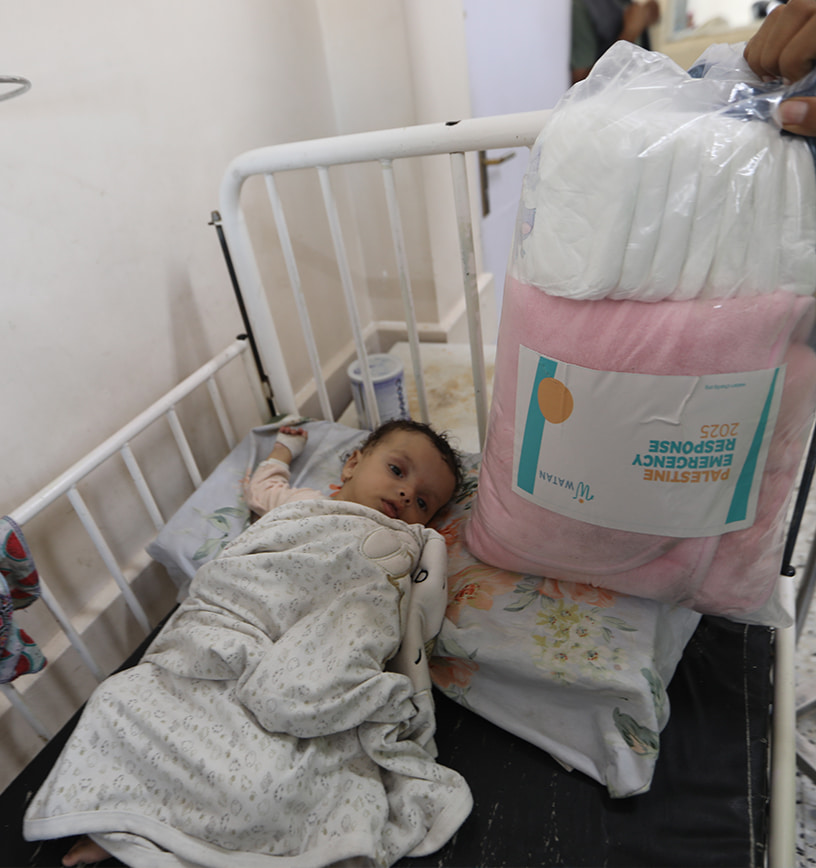
Humanitarian needs don’t pause between campaigns. Syrian refugee families, drought-hit communities in Somalia, and flood survivors in Pakistan all need support in January just as much as Ramadan. But most charities face a problem: donations spike in December and Ramadan, then drop sharply. That gap forces programs to stall. Monthly giving closes it. A $30/month commitment – that’s $1 a day – lets an organization keep a family fed, a well maintained, or a child in school without interruption. Our team at Watan USA sees this directly. One steady monthly donor can fund more impact than three one-time gifts of the same total amount. The difference isn’t the money – it’s the timing.
Monthly Charity Donation by the Numbers
The average monthly donor in the US gives $26/month, according to Giving USA’s annual report — that’s about $312 per year. But monthly donors stay active for an average of 5.2 years, compared to just 1.4 years for one-time donors. That makes a single $25/month commitment worth roughly $1,560 over a donor’s lifetime. For Muslim donors, this compounds further: consistent giving throughout the year captures the reward of every month — not just Dhul Hijjah or Ramadan. In 2023, recurring gifts made up nearly 22% of all online charitable revenue in the US, and that share keeps climbing each year.
Does a Monthly Charity Donation Actually Change Anything?
A monthly charity donation does more than add up. It changes what an organization can plan for. One-time gifts help — but they arrive unpredictably. When a charity knows $500 will arrive on the 15th of every month, it can hire a local health worker on a contract, not a day rate. It can order supplies in bulk instead of panic-buying at crisis prices. According to the Fundraising Effectiveness Project, monthly donors have a 90% retention rate — compared to just 43% for one-time donors. That gap is the difference between a program that lasts and one that quietly fades.
The Math Behind Consistent Giving
Consistent giving isn’t just reliable — it’s efficient. Charities spend less chasing new donors when existing ones renew every month. That saved budget goes back into the field. A $25/month donor who stays for four years delivers $1,200 in total. One-time donors rarely match that. The math isn’t dramatic. But it’s real, and every field coordinator knows it.
Small Amounts, Real Results
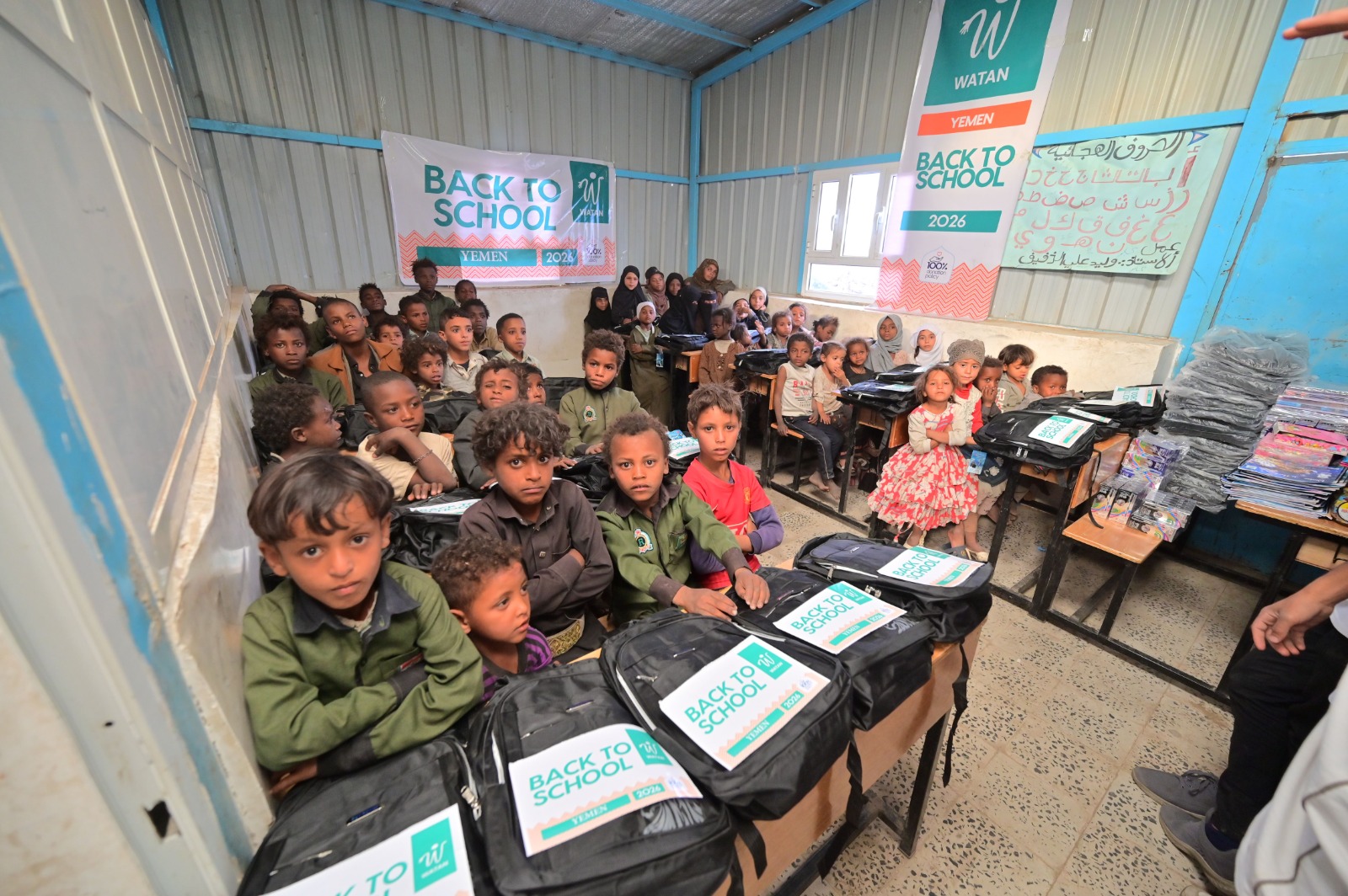
$30/month sounds modest. But in many regions where Watan USA works, $30 covers a family’s basic food needs for two weeks. Across twelve months, that’s consistent coverage — not a one-off delivery in December. Our team in Idlib, Syrian refugees saw this firsthand in March 2024. We met a woman named Fatima. She had received irregular aid for two years. When her family was connected to a consistent monthly program, her children’s school attendance went from two days a week to five.
Common Misconceptions About Monthly Giving
Many donors avoid recurring gifts because they worry about flexibility. That’s understandable. But most charities — including Watan USA — let donors pause, adjust, or cancel at any time. There’s no locked-in contract. Another common belief: small monthly amounts don’t matter. But charities budget around predictable income. A $15/month donor who stays three years is more valuable to a program than a $200 one-time gift. UNICEF reports that recurring donors fund more stable long-term programming than campaign-based donors at equivalent total giving levels. Monthly charity donation isn’t a commitment that traps you — it’s a rhythm that works.
Who Benefits Most From Monthly Giving Programs?

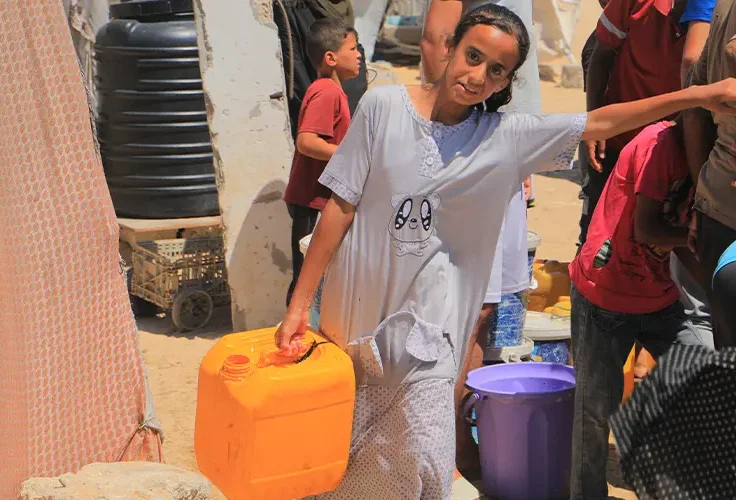
The communities that gain the most from monthly giving aren’t hit by one disaster. They face slow, grinding poverty—the kind that doesn’t make the news. Families in rural northwest Syrian refugees, displaced people in Afghan border camps, and drought-affected villages in East Africa all share one thing. Their needs don’t reset after Ramadan ends. According to UNHCR, over 43% of displaced people remain in displacement for more than five years. These families need consistent food, shelter, and medical access-month after month-not seasonal bursts of generosity followed by silence.
The Role of Sustained Effort vs. One-Time Help
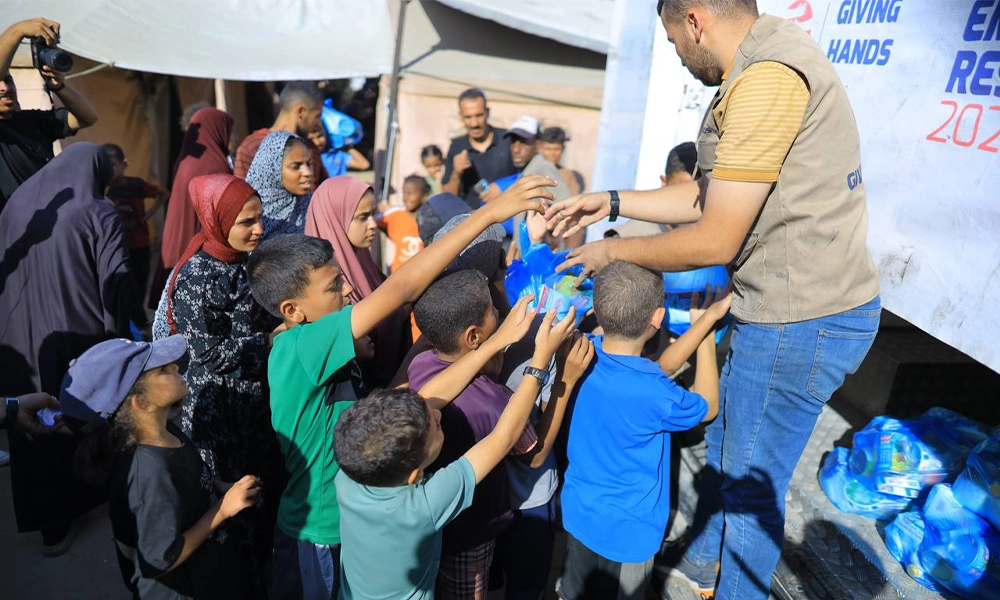
One-time giving responds to a moment. Monthly giving responds to a reality. A single food delivery feeds a family for a week. A monthly food program feeds them for a year — and lets a charity track health outcomes and adjust rations if needed. The teams doing this work don’t make headlines. They show up, month after month, to the same villages and the same families. See how this work continues →
And the impact builds. Not in flashes. In small, quiet layers – a child who finishes the school year, a well that gets maintained before it fails, a mother who doesn’t have to choose between food and medicine this month.
What Monthly Giving Actually Changes
A monthly charity donation doesn’t just fund a project. It changes what a charity can plan for. According to the Charities Aid Foundation, organizations with recurring donors spend 25% less on administration costs — meaning more money reaches families directly. Recurring giving also lets field teams commit to multi-month programs: school feeding cycles, medical follow-up visits, water system maintenance. These aren’t possible with one-time gifts. The shift from occasional to regular giving is one of the most practical moves a donor can make.
Why Consistency Matters More Than Amount
A $10 monthly gift delivers more than a single $120 donation. It arrives in predictable intervals. Field teams can plan around it. UNICEF data shows that predictable funding cuts program delivery delays by up to 30%. A family receiving monthly food support stays nourished through lean seasons – not just after a crisis hits. The amount matters less than the rhythm.
What Happens When Monthly Support Stops
Gaps hurt more than people expect. When recurring donations drop, programs often freeze mid-cycle. A child pulled from a feeding program in month four loses more than meals — they lose the progress made in months one through three. Organizations track this carefully. The hardest work isn’t starting a program. It’s keeping it running long enough to matter.
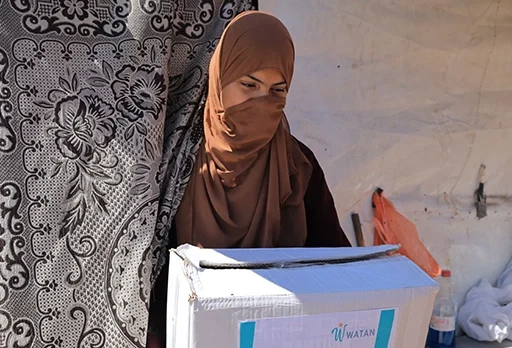
Behind every measurable change is a long line of people who chose to stay involved long after the headlines moved on. At Watan USA, that’s the work – quiet, consistent, and built around families whose needs don’t pause between news cycles. The teams on the ground show up because the people they serve have no other option.