
Finding the right sacrificial animals for eid ul adha is about more than just checking a box on your religious to-do list. Every year, as the silver crescent of Dhul Hijjah appears, our hearts turn toward the story of Prophet Ibrahim (AS). It is a time of deep reflection and intense devotion. Selecting your Qurbani animal is a sacred trust. You are choosing a creature to offer in the path of Allah (SWT).
Whether you are visiting a local farm or trusting Watan USA to deliver meat to families in Palestine, the standards must be high. This isn’t just a purchase; it’s an act of worship. This guide will walk you through the essential rules to ensure your sacrifice is perfect in the eyes of the Creator.
The Heart Behind the Sacrifice
We often get caught up in the logistics, but let’s stop and think about the “why”. The word “Qurbani” is rooted in the concept of nearness. We aren’t just slaughtering an animal; we are killing our own ego and greed. We remember the moment Ibrahim (AS) placed his love for Allah above his love for his own son.
Allah tells us clearly in the Quran that the physical meat doesn’t reach Him. What reaches Him is our Taqwa (piety). When you browse for sacrificial animals for eid ul adha, keep that intention at the forefront. A sincere heart transforms a simple transaction into a mountain of rewards.
Which Animals Are Actually Allowed?
You can’t just pick any animal for Udhiyah. Shariah limits the sacrifice to specific livestock, known as Bahimatul An’am. This keeps the tradition grounded in the Sunnah.
- Sheep and Goats: These are the classic choices for an individual or a small household.
- Cattle: This includes cows, bulls, and buffalo. These are great for larger families or community groups.
- Camels: While rare in the West, they are a traditional choice in many parts of the world.
Forget about poultry or wild game. A chicken or a deer might be a nice meal, but it doesn’t count as your Qurbani. Stick to the livestock mentioned above to keep your worship valid.
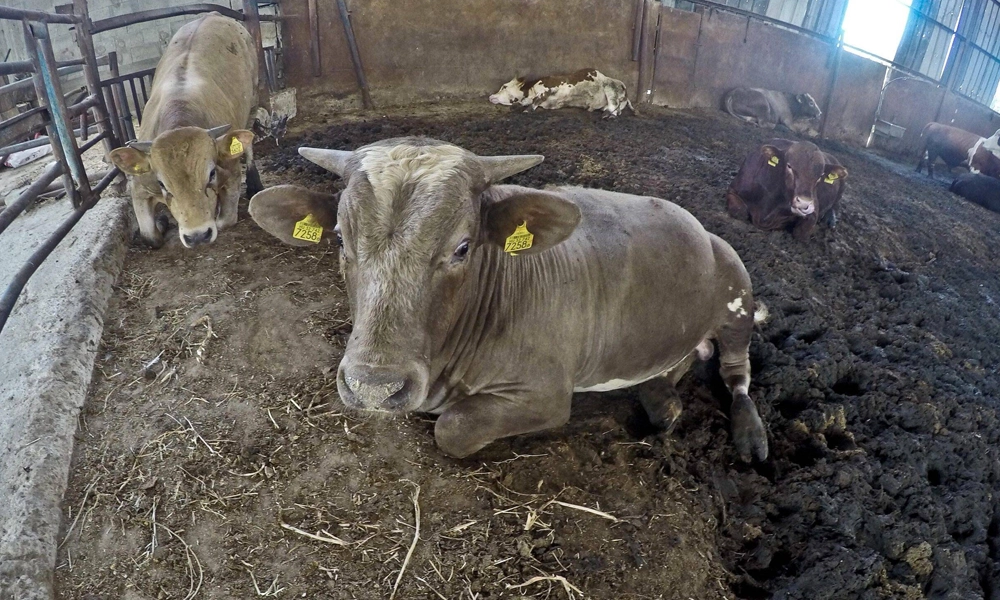
Don’t Get Fooled: Age Really Matters
One of the biggest mistakes people make at the livestock market is ignoring the animal’s age. If an animal is too young, your sacrifice isn’t valid. It’s that simple.
- Sheep: They need to be at least six months old. But there’s a catch: they must look big and strong enough to pass for a one-year-old.
- Goats: A goat must have completed one full year of life.
- Cows: You are looking for an animal that is at least two years old.
- Camels: These giants must be five years old or older.
Pro tip: Look at their teeth. Experienced farmers can tell you the age by the “milk teeth” and “permanent incisors”. If you’re donating through Watan USA, our team does this vetting for you so you can rest easy.
The Health Inspection: Quality Over Price
We should never offer Allah our “leftovers” or the weakest animal in the pen. The Prophet (PBUH) was very clear about what makes an animal unfit for sacrifice. Avoid these four “red flags”:
- The Blind Eye: If an animal is clearly blind or has lost its sight, keep looking.
- The Sickly One: Look for bright eyes and a clean coat. If it looks lethargic or has a visible illness, it’s a no-go.
- The Lame Animal: If it can’t walk to the slaughter area on its four legs, it shouldn’t be sacrificed.
- The Emaciated One: If the animal is so thin its bones are poking out, it lacks the quality required for a sacred offering.
Look for an animal that is plump, energetic, and healthy. This reflects your respect for the ritual.
Understanding the “Share” System
You don’t always have to buy a whole animal yourself. Islam makes this worship accessible for everyone through the share system.
- Small Animals (Sheep/Goat): These represent one single share. One animal equals one person’s obligation.
- Large Animals (Cow/Camel): These are divided into seven shares. You can buy one share (1/7th), or a group of seven friends can go in together on one cow.
This system is perfect for those on a budget who still want to participate in the blessing of the sacrifice.
Timing is Everything
You can’t rush Qurbani. The window for the sacrifice is very specific. It only begins after the Eid prayer on the 10th of Dhul Hijjah. If you slaughter your animal on the morning of Eid before the prayer, it’s just a regular dinner—not a Qurbani.
The time stays open for three days (until the 12th of Dhul Hijjah) or four days, depending on which school of thought you follow. It’s always best to get it done on the first day if you can.
How to Divide the Meat
The beauty of Eid ul Adha is in the sharing. Traditionally, we split the meat into three parts. One-third stays with you and your family. One-third goes to your friends, family, and neighbours—this builds community. The final third goes to the poor.
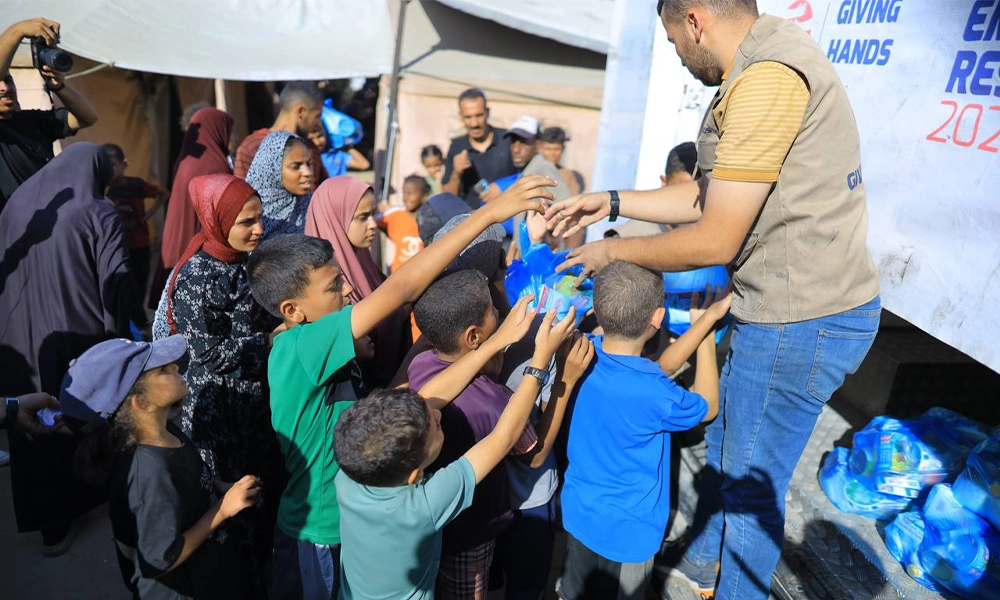
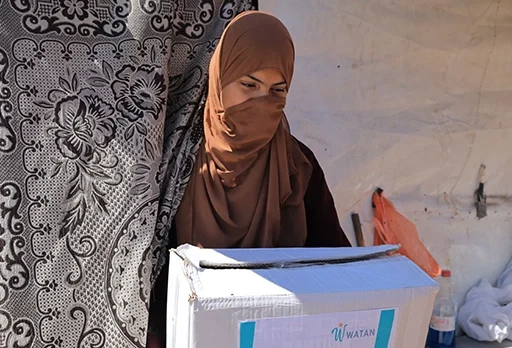
However, if you are giving your Qurbani through Watan USA, we often give 100% of that meat to refugees and displaced families. In places like meat is a luxury they haven’t seen in months. Your sacrifice becomes their feast.
Reaching the Most Vulnerable in 2026
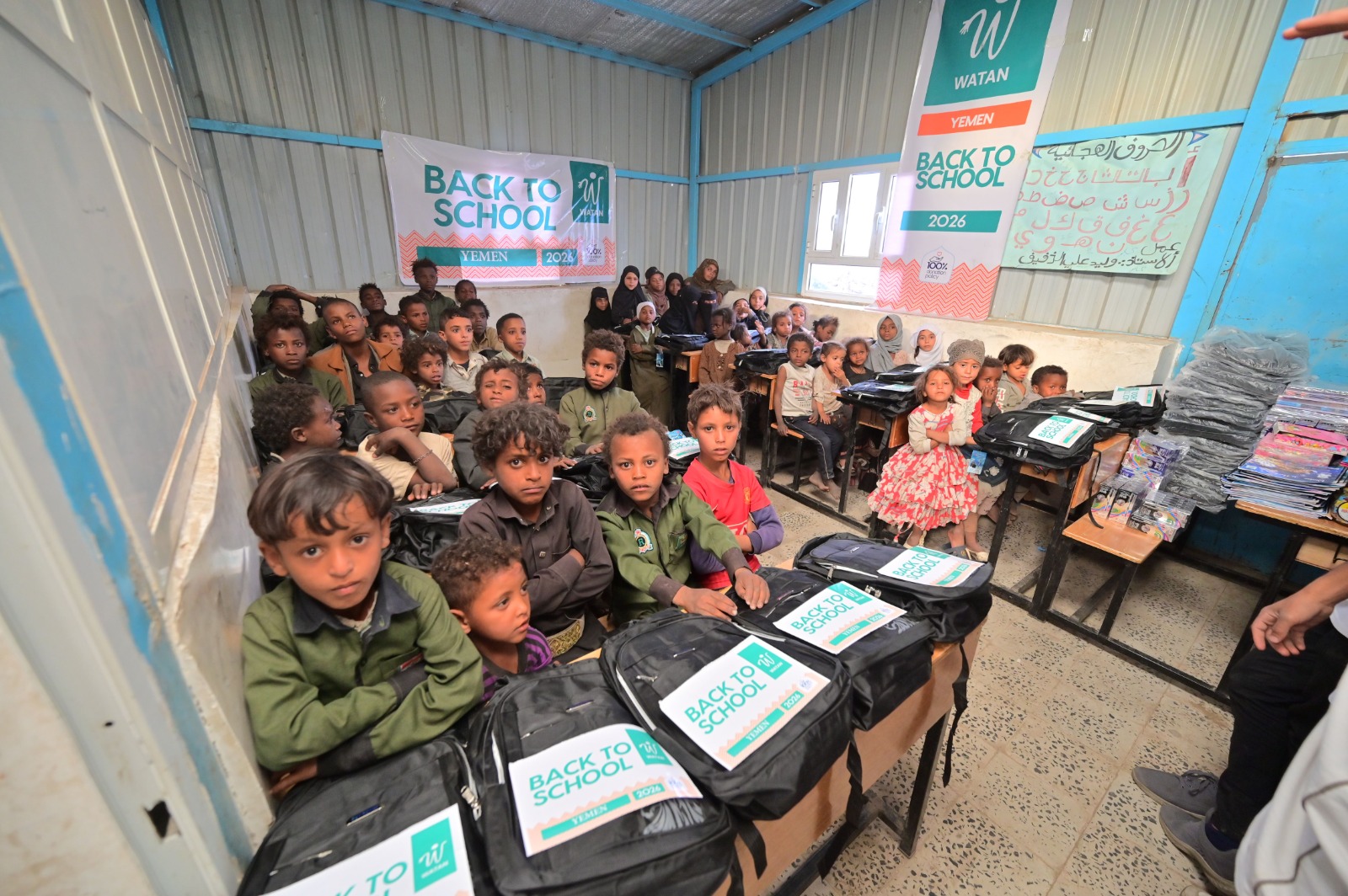
The world is a heavy place right now. Families in Gaza and Northern are struggling just to find clean water, let alone meat. When you select sacrificial animals for eid ul adha through an international charity, your impact multiplies.
At Watan USA, we don’t just “buy meat”. We buy from local farmers in those crisis zones. This puts money back into their struggling economies. Then, we deliver fresh, high-quality meat to people who truly need it. It’s a full circle of barakah (blessing).
A Few Final “Do’s and Don’ts”
- Do make your intention clear. Say “Bismillah” and “Allahu Akbar.”
- Don’t pay the butcher with the animal’s meat. His wage must be separate.
- Do use a sharp knife. The animal should not suffer.
- Don’t let the animal see the knife or other animals being slaughtered. Mercy is the core of our faith.
Why Trust Watan USA?
We take this responsibility seriously. Our teams are on the ground, hand-picking livestock that meets every single requirement we’ve discussed. We ensure the age is right, the health is perfect, and the distribution is fair. When you give through us, you aren’t just fulfilling a duty—you are saving a seat at the Eid table for someone who has lost everything.