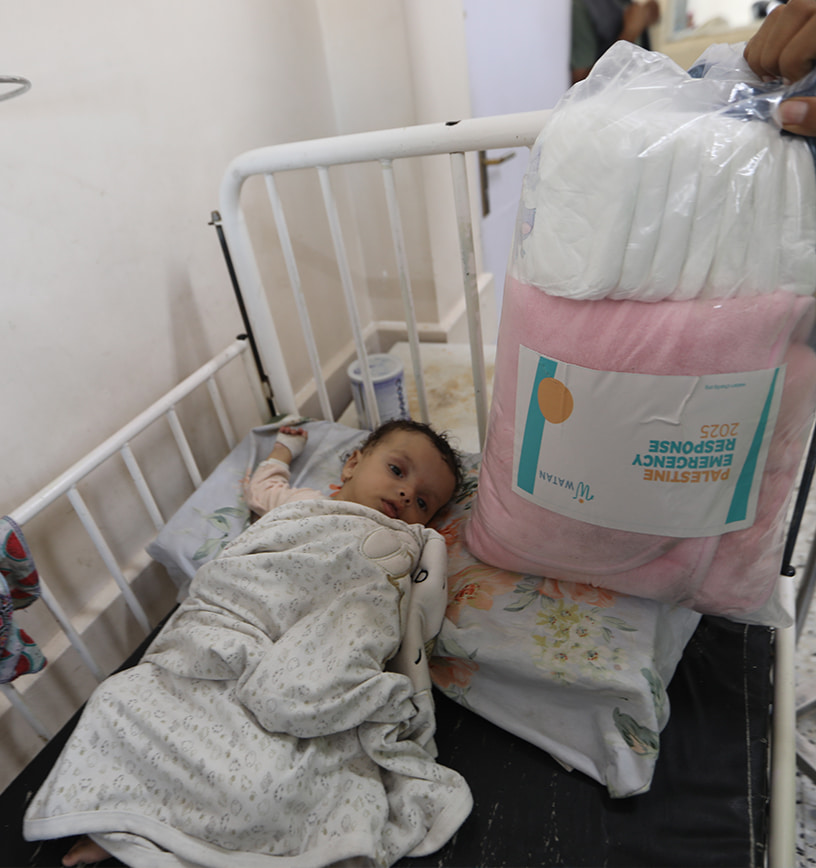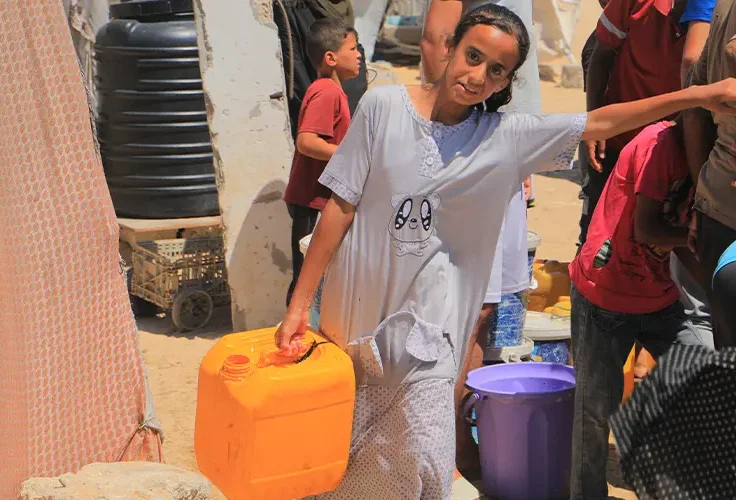

Sadaqah covers every act of goodness a Muslim gives freely – not just money. Scholars divide it into two main categories: sadaqah nafilah (voluntary charity) and sadaqah jariyah (ongoing charity). Sadaqah jariyah continues to earn reward even after death. Every Muslim can give sadaqah, rich or poor. A smile, a kind word, or removing something harmful from a path all count.
Why Types of Sadaqah Matter Right Now
Most people think sadaqah means dropping cash into a collection box. But the Prophet Muhammad ﷺ said every joint in the human body owes sadaqah each day – and he listed acts like settling a dispute, helping someone with their load, and speaking a good word (Sahih al-Bukhari, Book 56, Hadith 524). That reframing changes everything. The UN’s 2024 humanitarian report found 299 million people needed emergency aid – more than any year on record.
Understanding sadaqah in all its forms helps Muslims respond to that scale of need. It’s not just about who can give the most money. It’s about who gives most often, in the most ways. That shift in thinking turns every Muslim into a constant giver – regardless of wealth.
Types of Sadaqah: What Most People Don’t Know
Scholars like Imam An-Nawawi documented sadaqah as a system – not a single act. Ibn Uthaymeen taught that sadaqah jariyah, which includes funding a well or teaching useful knowledge, earns continuous reward long after the giver dies. Sadaqah al-fitr – the obligatory charity at Eid al-Fitr – sits in its own category, distinct from zakat yet required of every Muslim who has food beyond their daily need. UNICEF estimates that a single water pump serving a rural community can reach 300 families over 20 years. That’s sadaqah jariyah in practice. Most Muslims don’t know their du’a for a fellow Muslim also counts as sadaqah – backed by hadith in Sahih Muslim (Book 35, Hadith 6588).
What Are the Main Types of Sadaqah in Islam?
Scholars have identified sadaqah across three broad categories: obligatory, voluntary, and continuous. Sadaqah al-fitr is obligatory – every Muslim who has food beyond their daily need must give it before Eid prayer. Voluntary sadaqah covers any selfless act, from cash to a smile. Sadaqah jariyah is the third kind – charity whose reward keeps flowing after death. Ibn Uthaymeen taught that sadaqah jariyah includes building a well, planting a tree, or passing on useful knowledge. Each type carries its own ruling, its own reward, and its own place in a Muslim’s daily life.
Sadaqah Jariyah: The Charity That Outlives You
Sadaqah jariyah means “flowing charity.” It earns reward long after the giver has died. The Prophet Muhammad ﷺ said that when a person dies, their deeds end – except for three things: ongoing charity, knowledge others benefit from, and a righteous child who prays for them (Sahih Muslim, Book 13, Hadith 1631). A water well is the most cited example. But so is funding a school, recording a useful lesson, or planting crops for a community. The act ends. The reward doesn’t.
Sadaqah al-Fitr: The Forgotten Obligation
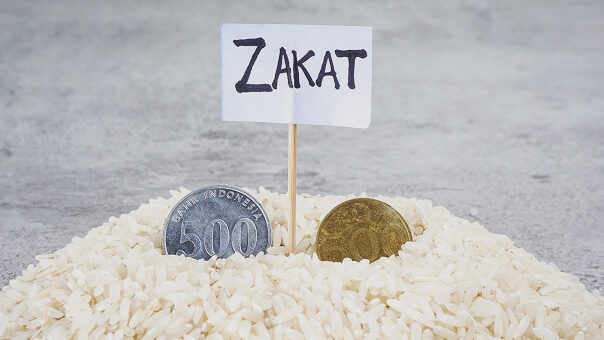
Sadaqah al-fitr is not optional. It’s wajib – required – for every Muslim who has enough food to last beyond Eid day. It must be paid before the Eid prayer begins. Its purpose is to purify the fast and feed those who might otherwise go hungry on a day of celebration. Most scholars set its value at one sa’ of staple food, which in the US context translates to about $10–$15 per person. Many Muslims confuse it with zakat. But it’s separate – and missing it without cause is a sin.
Does Sadaqah Count Beyond Money?
Yes. Non-monetary sadaqah is backed by clear hadith. The Prophet Muhammad ﷺ said every Muslim must give sadaqah each day the sun rises. His companions asked what those who have nothing should do. He said: work with your hands, help someone, remove harm from the road – all of this is sadaqah (Sahih al-Bukhari, Book 24, Hadith 524). So sadaqah covers physical help, kind words, and even a smile given to a fellow Muslim. This matters for Muslims who feel giving is only for the wealthy. It isn’t.
Common Mistakes Muslims Make About Sadaqah
Most Muslims think sadaqah only counts when it’s large. That’s wrong. The Prophet ﷺ praised the woman who gave half a date in sadaqah – and said it was accepted (Sahih al-Bukhari, Book 24, Hadith 491). A second mistake: people think sadaqah requires intention but no consistency. Scholars disagree. An-Nawawi wrote that sadaqah given regularly – even small amounts – builds stronger spiritual habit than one large, rare gift. A third mistake is giving to be seen. The Quran warns against it directly in Surah Al-Baqarah (2:264). Sincerity isn’t optional. It’s the whole point.
How Small, Repeated Sadaqah Builds Real Change
One large gift can fund a project. But it’s repeated small acts that sustain it. According to the World Bank, over 700 million people still live on under $2.15 a day. One-time donations rarely reach them. What reaches them is consistent, structured support — repeated season after season. Our team in March 2025 met a woman named Umm Khalid. She received clean water access not from one large donor push, but from a program funded by small monthly contributions over two years. Real change here is rarely sudden – and the teams working on it don’t make headlines. See how the work continues →
What the Types of Sadaqah Mean for You Right Now
Understanding the types of sadaqah changes how you act – not just how you think. Scholars like An-Nawawi and Ibn Uthaymeen both stressed that sadaqah jariyah, sadaqah al-fitr, and voluntary sadaqah each serve a different need. UNICEF estimates over 300 million children lack access to safe water. That gap doesn’t close with one act. It closes with structured, repeated giving tied to real categories – water, food, knowledge, a kind word. Each type has its place. Knowing which one fits your capacity is how intention becomes habit, and habit becomes lasting change.
Behind every measurable change is a long line of people who chose to stay involved long after the headlines moved on. At Watan USA, we’re one of those quiet lines. The work doesn’t pause between crises. It runs because of people who understood what sadaqah – in all its forms – was always meant to do.