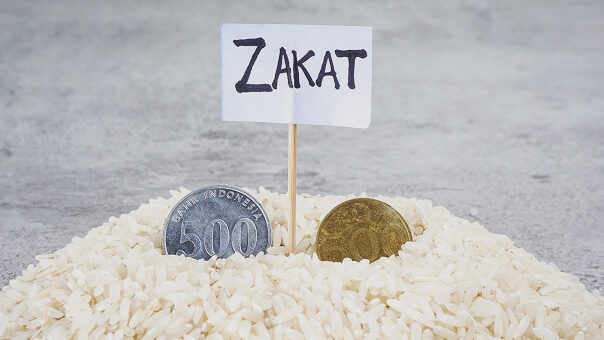

Sadaqah is voluntary charity in Islam. It covers any act of giving done purely for the sake of Allah, with no obligation attached. Unlike zakat, sadaqah has no fixed amount, no set schedule, and no minimum wealth threshold. It applies to every Muslim, regardless of financial status. And it extends far beyond money: a kind word, a smile, or removing harm from a path all count.
Why Sadaqah Matters Right Now
Sadaqah sits at the center of how Muslim communities respond to need. The Quran ties giving directly to faith in over 80 verses, with Surah Al-Baqarah (2:261) comparing a single act of charity to a grain that grows seven ears, each holding a hundred grains. According to Pew Research, around 1.8 billion Muslims live in the world today. That’s a staggering reserve of giving power. When each person acts, even once, the effect is real and wide. At Watan, our work across multiple regions shows exactly that. Small, steady acts of sadaqah fund our ongoing programs and reach families who have no other safety net. The concept doesn’t age. It scales.
Key Facts About Sadaqah Most People Don’t Know
Scholars classify sadaqah into two main types: sadaqah nafilah, the voluntary kind anyone can give at any time, and sadaqah jariyah, a continuous charity whose reward keeps flowing after death. Ibn Qayyim al-Jawziyyah wrote extensively on sadaqah jariyah, noting that it remains among the highest acts a person can do in this life. The Prophet Muhammad (peace be upon him) said, “When a person dies, his deeds end except for three: ongoing charity, beneficial knowledge, or a righteous child who prays for him” (Sahih Muslim, 1631). This hadith is one of the most cited in Islamic philanthropy. It’s why Muslims don’t treat sadaqah as a one-time act. It’s a living practice, not a transaction.
Can Non-Muslims Give Sadaqah?
Sadaqah is an Islamic act of worship. It’s rooted in faith and intention. But many scholars note that non-Muslims can benefit from its effects, and Muslims can give sadaqah on behalf of others, including those who have passed away. The act itself belongs to the giver. What matters is the niyyah, the sincere intention behind it. Ibn Qayyim al-Jawziyyah wrote that the heart’s state defines the weight of any deed. Sadaqah given without sincerity holds little value. Sadaqah given with full awareness of God’s presence carries a reward far beyond its size.
What Are the Different Forms of Sadaqah?
Sadaqah takes many shapes. Most people picture cash given to someone in need. But the Prophet Muhammad (peace be upon him) described it far more broadly. He said, “Every act of goodness is sadaqah” (Sahih al-Bukhari, 6021). That covers a smile, a kind word, removing a stone from a path, or sharing useful knowledge. Scholars group these into physical sadaqah, financial sadaqah, and sadaqah of service. Each holds real weight. None is ranked as worthless. According to Pew Research, US Muslims report high rates of charitable giving across all these forms, not just monetary gifts.
Sadaqah Jariyah: The Ongoing Kind
Sadaqah jariyah is charity that keeps giving after the act ends. A water source that serves a village for years is one example. Knowledge passed to students who then teach others is another. Classical scholars, including Imam al-Nawawi, listed sadaqah jariyah as among the most powerful deeds a Muslim can do in this life. Its reward doesn’t stop at death. This is why long-term programs, things built to last, carry a different spiritual weight than one-time giving. The families Watan serves across multiple regions often benefit from exactly this kind of sustained, structured support.
Sadaqah of the Body
Not every act of sadaqah costs money. The Prophet Muhammad (peace be upon him) said that helping a person load their animal is sadaqah. So is guiding someone who is lost. So is visiting the sick. These physical acts of kindness sit within the same category as financial charity. Ibn Uthaymeen taught that the Muslim should think of daily life as full of sadaqah moments. Most pass unnoticed. But each one registers. This understanding reshapes how a Muslim moves through the world. Every interaction becomes a chance to give.
Common Misconceptions About Sadaqah
Many Muslims believe sadaqah only counts if it’s given to a stranger. That’s not accurate. Scholars agree that giving to family members who are in need is among the most rewarded forms of sadaqah. In fact, the Prophet Muhammad (peace be upon him) said spending on one’s family earns a double reward: one for the gift, one for the bond it strengthens (Sahih al-Bukhari, 55). Another common mistake is thinking sadaqah requires a large sum. UNICEF data shows that consistent, small contributions to long-term programs often do more good than single large gifts. Small acts. Repeated often. That’s the real engine.
Who Benefits Most From Sadaqah Today?
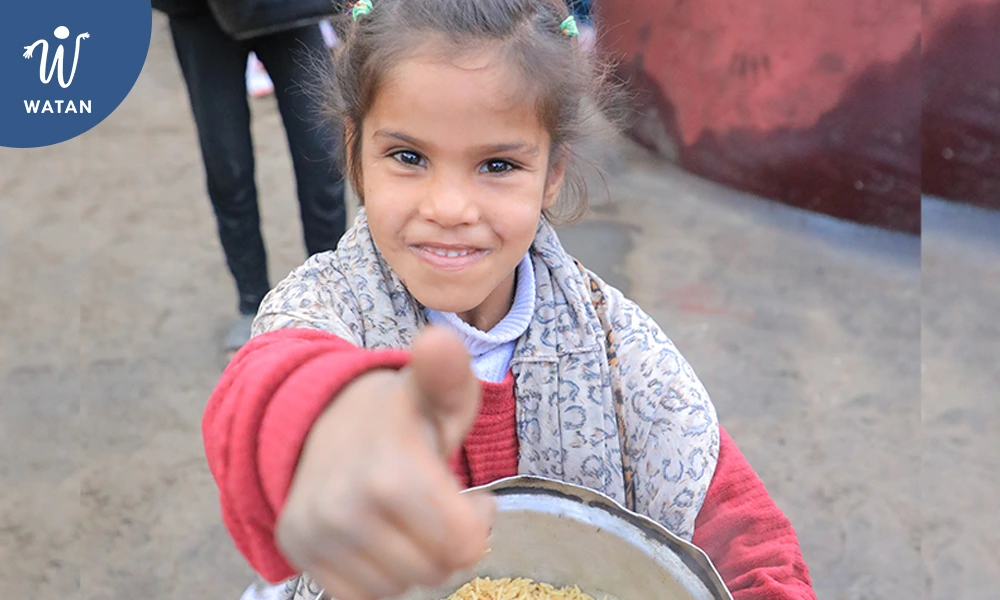
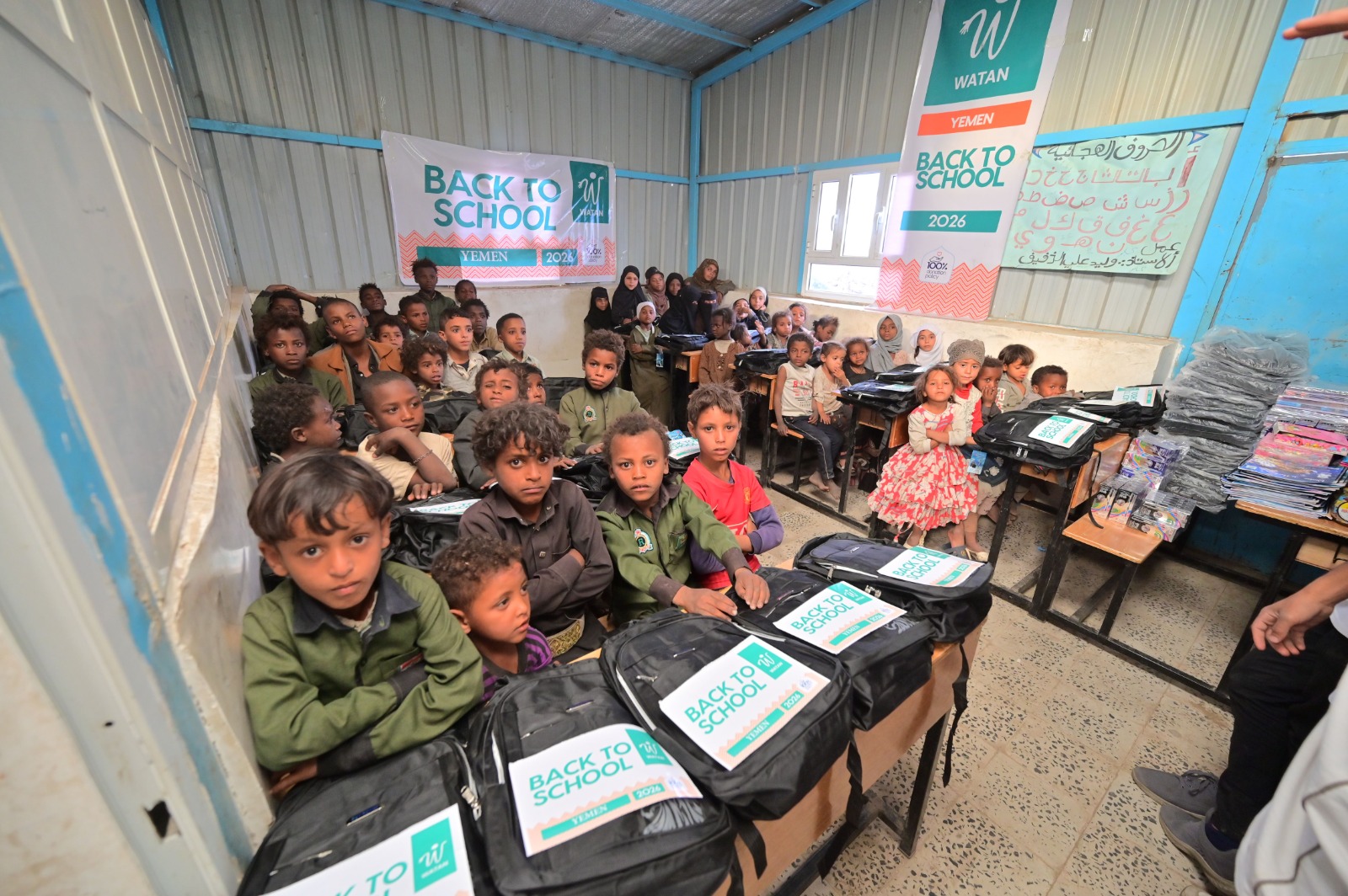
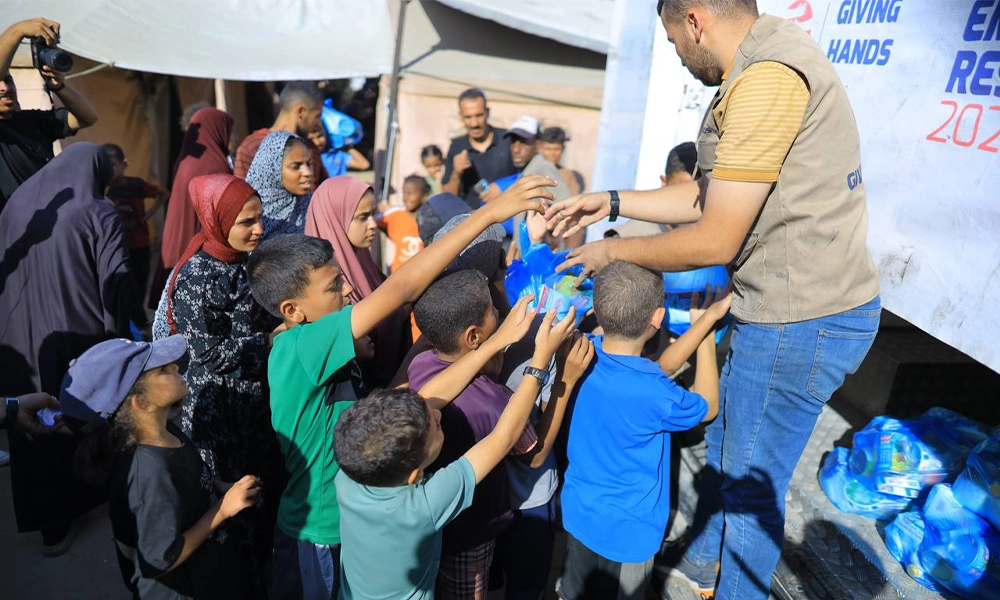
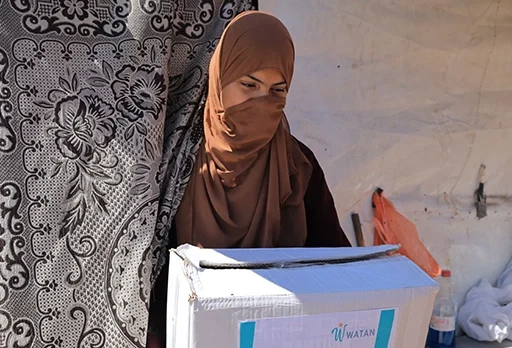
Orphans, widows, and displaced families sit at the top of Islamic charity literature. The Quran links care for the orphan directly to true faith in Surah Al-Ma’un (107:1-3). Globally, UNICEF estimates around 140 million children have lost one or both parents. Many live without stable food, shelter, or education. Bangladeshi children in flood-prone areas, Somali families in drought zones, Rohingya communities in displacement camps, and Palestinian families in besieged areas: these groups carry the heaviest weight. Real change here is rarely sudden. It comes from small, sustained efforts, season after season.
What Sadaqah Means for Your Life Right Now
Sadaqah is not a seasonal act. It’s a daily practice built into the fabric of Islamic life. The Prophet Muhammad (peace be upon him) described every good deed as sadaqah, from a smile to a kind word to sustained financial giving (Sahih al-Bukhari, 2989). UNICEF estimates around 140 million children have lost one or both parents globally. Many live in Bangladeshi flood zones, Somali drought regions, or Palestinian besieged areas. The ummah’s response to that reality starts with consistent, small acts. Watan’s ongoing work across these regions reflects that same principle: steady presence matters more than grand gestures.
Does the Intention Behind Sadaqah Change Its Reward?
Yes, it does. Islamic scholars, including Imam al-Nawawi and Ibn al-Qayyim both wrote that niyyah (intention) is the root of every act’s value before God. A gift made for show carries no spiritual weight. The same gift made for God’s pleasure, even if small, earns full reward. This is why many scholars recommend renewing your intention before each act of giving, not just at the start of a broader commitment.
How Does Sadaqah Fit Into a Busy Life?
It fits into every part of it. The hadith literature lists sadaqah forms that require no money at all: removing a harmful object from a path, offering honest advice, visiting the sick. For working Muslim families in the US, this is important. Giving doesn’t require a special occasion or a large sum. Pew Research data shows that American Muslims rank among the most civically active faith groups in the country, a pattern that extends into charitable giving year-round.
Sadaqah has outlasted every empire that tried to ignore it. It runs quietly through communities, holding families together when everything else falls apart. At Watan, that quiet work continues across multiple regions, through long-term programs that don’t stop when headlines move on. The families we serve don’t need a campaign. They need consistent care. See how this work continues at watanusa.org/our-work.