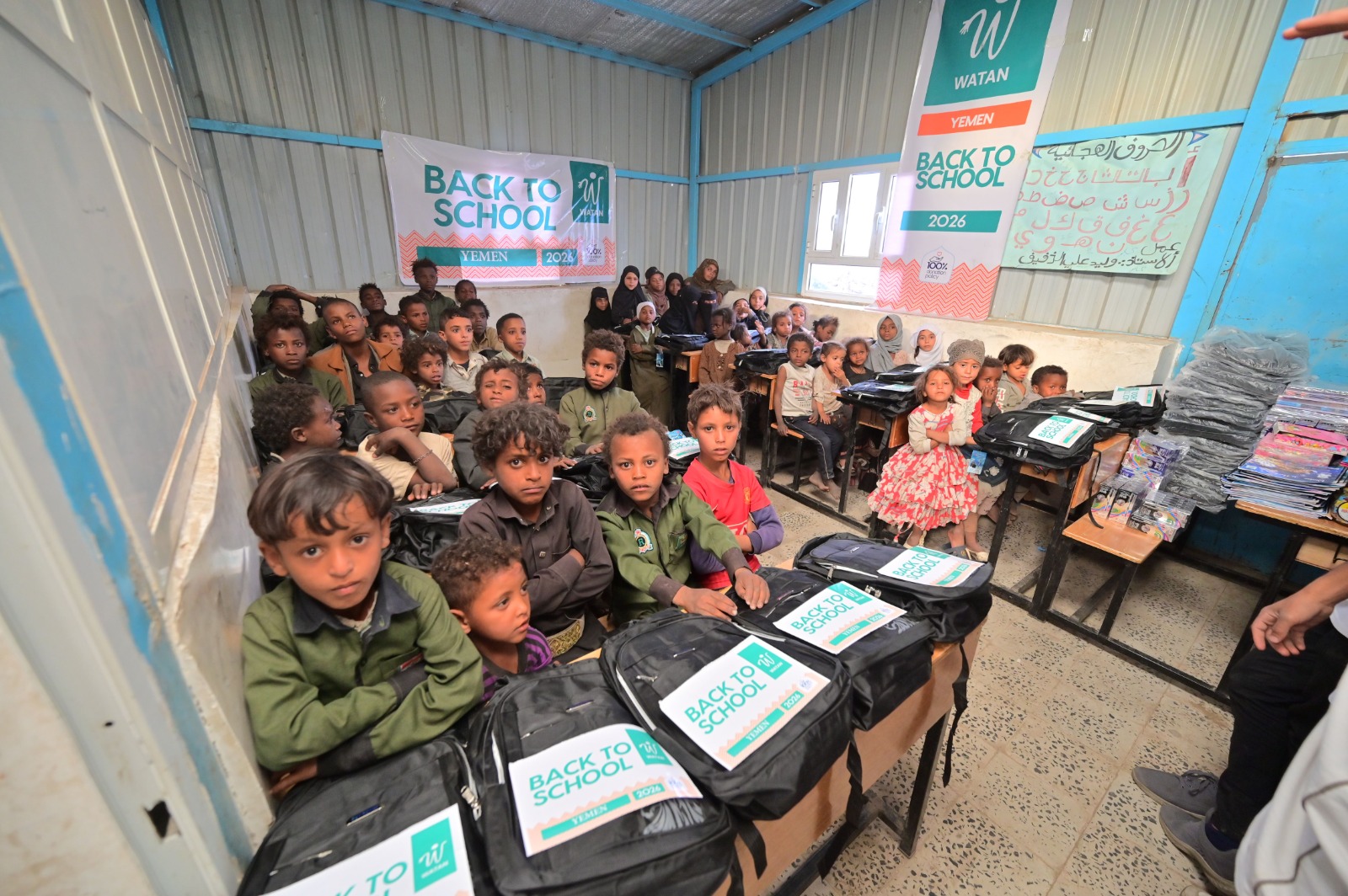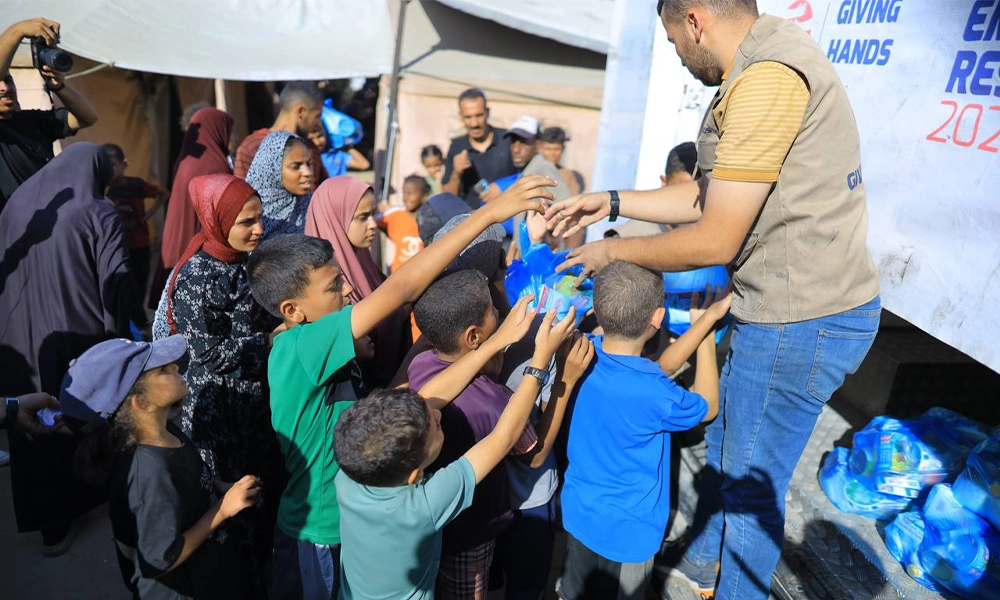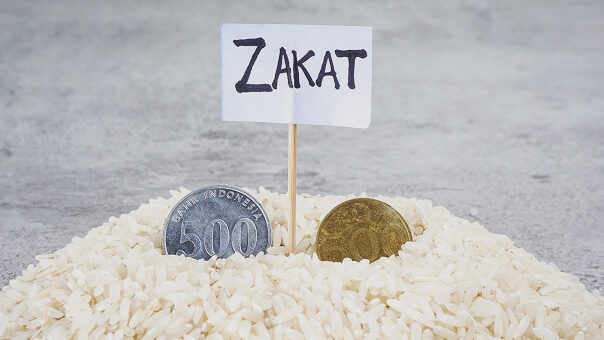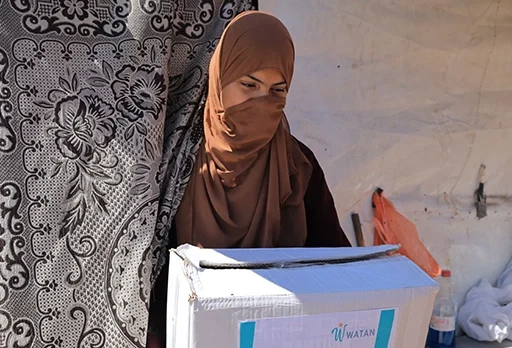

The best way to give sadaqah in Islam is to give sincerely, consistently, and in a way that reaches those in genuine need. The Prophet Muhammad ﷺ called sadaqah a proof of faith — it purifies wealth and the giver. Even a smile counts. But ongoing charity, called sadaqah jariyah, carries reward long after you’re gone.
Why the Best Way to Give Sadaqah in Islam Matters Right Now
Sadaqah isn’t just a personal act — it’s a direct response to real suffering. UNICEF reports that over 413 million people live in extreme poverty inside conflict zones. When Muslims give the right way — consistently and to verified causes — that giving changes lives.
Sadaqah by the Numbers: What Most People Don’t Know
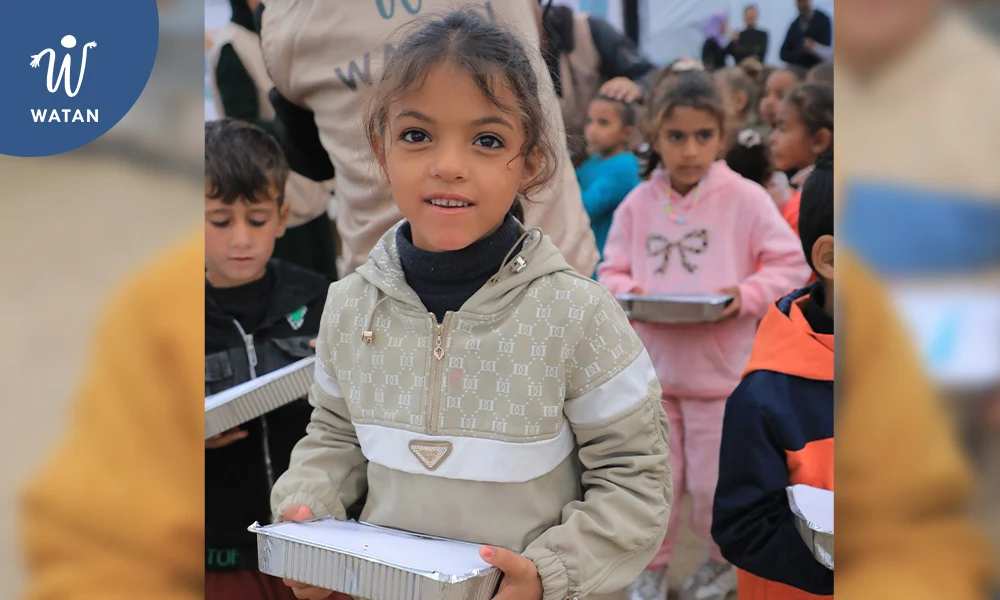
Sadaqah jariyah — charity that keeps giving after death — is among the three deeds Islam says never stop earning reward (Sahih Muslim, Book 13, Hadith 1631). Studies from the Charities Aid Foundation show Muslim-majority countries rank among the world’s most generous. But giving frequency and impact vary widely based on how — and where — people give.
What Are the Best Forms of Sadaqah in Islam?
Sadaqah covers far more than money. It includes time, knowledge, physical help, and even a kind word. The Prophet Muhammad ﷺ said removing harm from a path is charity (Sahih al-Bukhari, 2989). That scope makes sadaqah one of the most flexible acts in Islam.
Sadaqah Jariyah – Charity That Outlasts You
This is ongoing charity. It earns reward after death. Examples include funding a well, building a school, or teaching someone a skill. Islamic Relief notes that water projects rank among the most requested sadaqah jariyah gifts globally.
Sadaqah of the Body – Non-Financial Giving
You don’t need money to give. Visiting the sick counts. Helping someone carry a load counts. Smiling at your brother counts. These acts cost nothing — but they build real community.
Knowledge as Sadaqah
Teaching someone to read. Sharing useful information. Explaining Islam to a neighbor. The Prophet ﷺ said, “Whoever guides someone to goodness will have a reward like the one who does it” (Sahih Muslim, 1893). Knowledge shared is charity multiplied.
Common Mistakes When Giving Sadaqah
Many Muslims give with good intention but lose impact through avoidable errors. Giving to unverified causes, delaying out of habit, or giving only in Ramadan all reduce the effect of sadaqah. The best way to give sadaqah in Islam involves consistency — not just generosity.
Giving Without Verifying the Cause
Not every appeal is legitimate. The Better Business Bureau’s Wise Giving Alliance found that only about 50% of charity appeals it reviewed met basic accountability standards. Check before you send.
Giving Once and Stopping
One large gift feels good. But Islam prizes regularity. The Prophet ﷺ said the most beloved deeds to Allah are those done consistently, even if small (Sahih al-Bukhari, 6464). A $10 monthly habit beats a $120 one-time payment in reward structure.
Letting Riya (Show) Creep In
Announcing every act of giving – on social media or in conversation – risks nullifying the reward. The Quran warns against charity followed by harm or reminders (Surah Al-Baqarah, 2:264). Give quietly. Let the deed speak.
Who Needs Sadaqah Most Right Now?
The people most in need of sadaqah are often those hardest to reach. The World Food Programme reports that 733 million people face hunger daily. Most live in conflict zones, remote villages, or areas cut off from basic services.
Orphans and Displaced Children
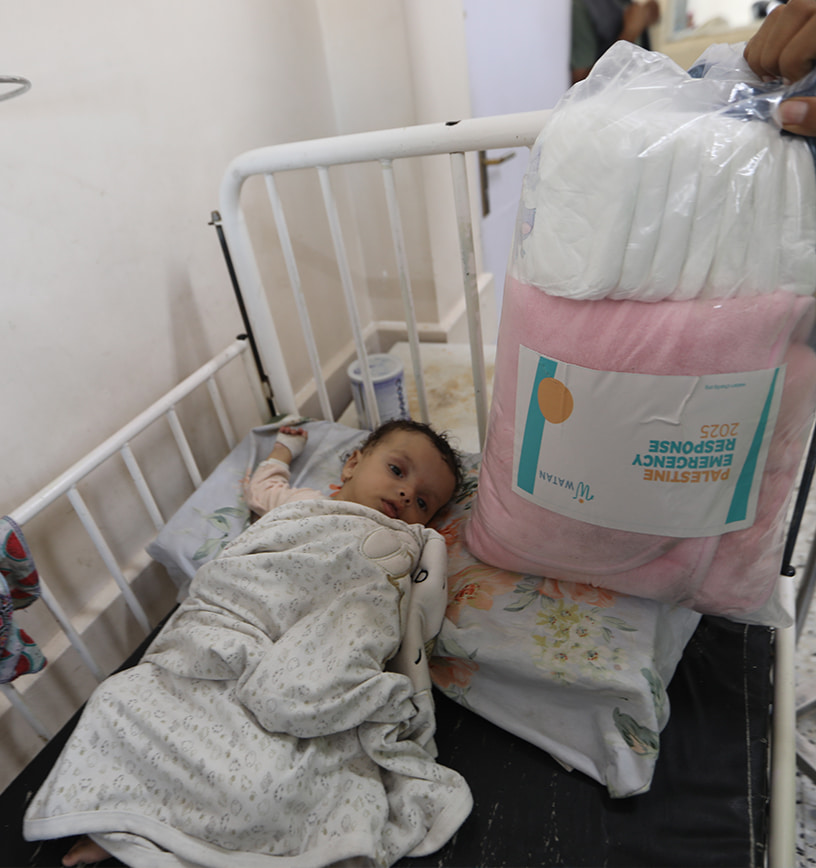
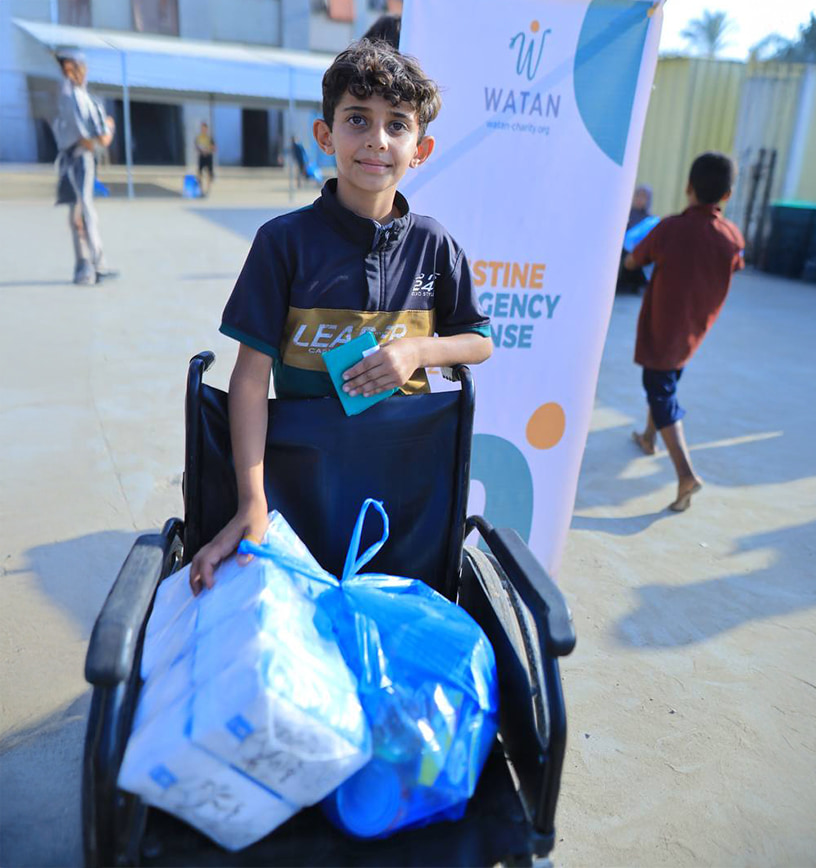
UNICEF estimates over 43 million children worldwide are displaced from their homes. Many have no access to school, clean water, or consistent meals. These children aren’t statistics — they’re the clearest candidates for sadaqah jariyah.
Widows and Female-Headed Households
Women heading households alone face the sharpest poverty. UN Women shows female-led families are 35% more likely to live in extreme poverty. In conflict regions, this gap grows.
Communities Without Clean Water
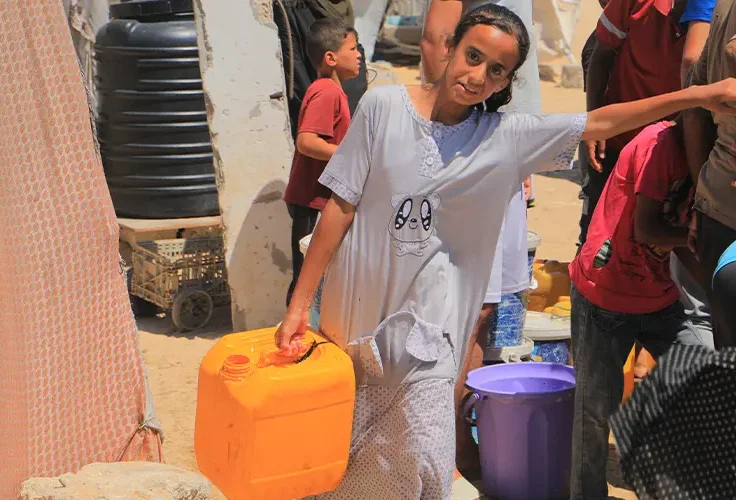
About 2.2 billion people lack safe drinking water, per the World Health Organization. A single well can serve hundreds of families. It’s among the clearest forms of sadaqah jariyah — and its impact is measurable.
The Real Impact of Sadaqah – A Story From the Field
In April 2024, our team visited a small community in Gaza We met a woman named Umm Khaled. She had three children and no income. A water point built months earlier – funded by recurring sadaqah contributions -cut her daily water walk from 90
What You Now Know About Giving Sadaqah the Right Way
The best way to give sadaqah in Islam combines sincere intention with lasting impact. Recurring gifts — even small ones — build water points, feed families, and keep children in school.
Start Small, Stay Consistent
A $10 monthly gift outpaces a single $100 one-time gift over time. Consistency matters more than size. The Prophet Muhammad ﷺ said the most beloved deeds to Allah are those done consistently – even if small. *(Sahih al-Bukhari, Book 76)*
Choose Impact You Can Verify
Pick an organization that shows field results — not just numbers. Photos, named communities, and date-stamped updates all signal real work. Watan USA publishes field updates from Gaza and beyond at watanusa.org/our-work.
Behind every changed life is a long line of quiet decisions — someone who kept giving after the news moved on. At Watan USA, that’s exactly what we do. The work in Gaza continues — not because of one push, but because of sustained, faithful effort. See how this work continues →.