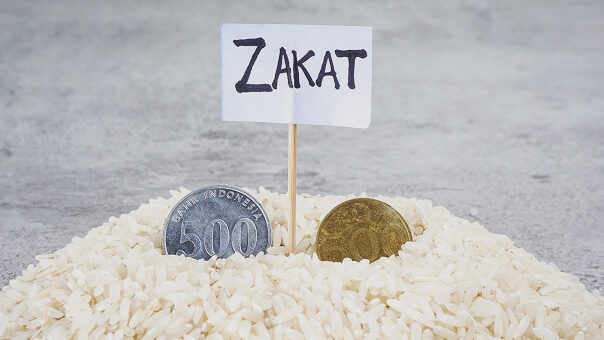

Daily sadaqah means giving voluntary charity every single day, no matter how small the amount. Unlike zakat, it carries no fixed minimum and no due date. The Prophet Muhammad (peace be upon him) said that even a smile counts as sadaqah, but giving something daily builds a spiritual discipline most Muslims overlook. It applies to every Muslim, regardless of wealth. And in 2026, with global need at record levels, small daily acts carry serious weight.
Why Daily Sadaqah Matters Right Now
The habit of daily giving is one of the most supported practices in Islamic tradition. According to Pew Research, there are about 1.8 billion Muslims in the world today. Most give during Ramadan. But the Prophet (peace be upon him) told us in Sahih al-Bukhari that Allah’s Messenger praised the person whose deeds are small but consistent over the one whose deeds are large but irregular. That single principle shifts everything. Giving $1 a day costs less than a coffee. But done daily for a year, it reaches $365 USD. That’s real change for families living on less. At Watan, our sadaqah programs channel exactly this kind of steady, daily giving into long-term community support. Consistent donors, not one-time givers, are the ones who sustain real change.
Key Facts About Daily Sadaqah Donations Most People Don’t Know
Daily sadaqah isn’t just spiritual currency. It has real-world reach. According to the World Bank, about 700 million people still live on less than $2.15 USD a day. A single dollar given daily from one Muslim can fund clean water, a meal, or school supplies for a child in need. Islamic scholars like Imam an-Nawawi wrote extensively on the virtue of regular voluntary charity, noting that consistency in good deeds is more beloved to Allah than volume. Sadaqah jariyah, a form of ongoing charity, is a close cousin to daily giving. Both share the same core idea: small, repeated acts outlast one-time gestures. The more Muslims who adopt a daily sadaqah habit, the stronger the ummah’s collective safety net becomes.
How Daily Sadaqah Donations Build Long-Term Change
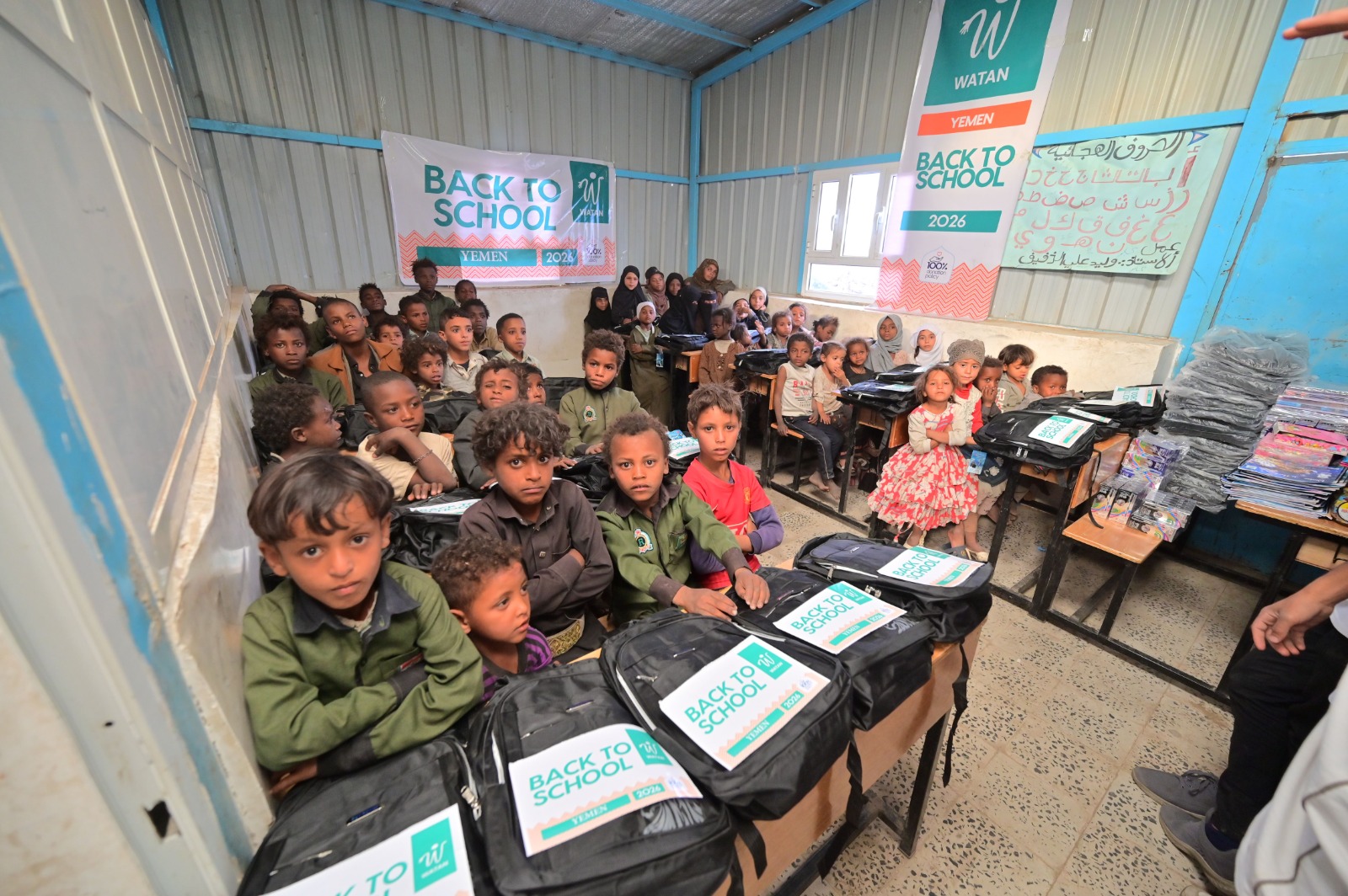
Small gifts given daily do something that big gifts can’t always do. They create rhythm. Rhythm builds trust. Trust lets communities plan. According to UNICEF, children in areas with consistent aid access are significantly more likely to stay in school than those in communities with unpredictable support. A one-time donation feeds a family for a day. A daily sadaqah habit can fund a child’s education for an entire term. That shift, from reactive giving to steady commitment, is what separates short-term relief from real recovery. Communities don’t rebuild in a single moment. They rebuild week by week.
Why Consistency Beats Volume
One large gift is powerful. But it’s hard to repeat. Daily sadaqah donations train generosity as a habit, not an event. Behavioral research from Pew Research shows that people who set small, recurring charitable commitments are far more likely to stay engaged with a cause long-term. A Muslim who gives $1 each day builds a giving identity. That identity doesn’t disappear when life gets busy. Small, automatic acts of sadaqah become part of who a person is, not just what they do in Ramadan.
Who Benefits Most From Steady Support
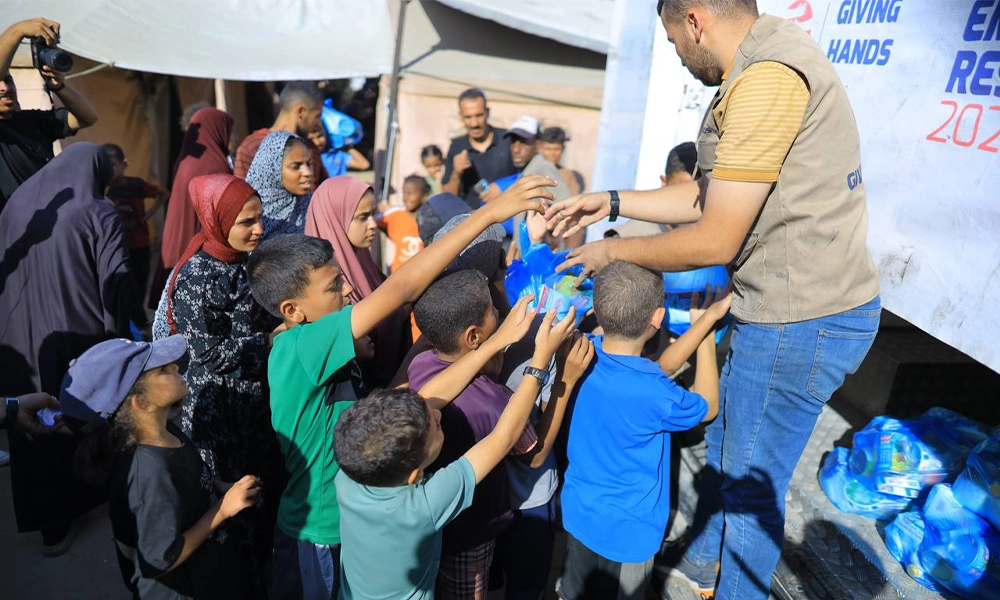
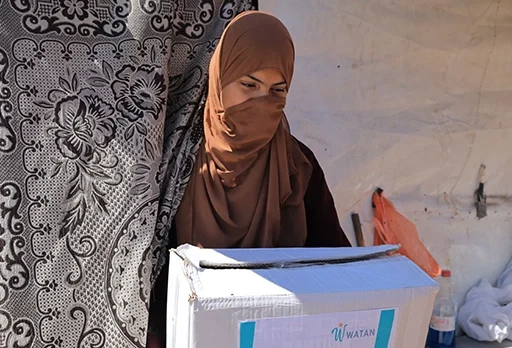
Orphans and widowed mothers gain the most from consistent giving. A single orphan sponsorship needs reliable monthly funding. Rohingya children in displaced communities depend on programs that don’t stop after Ramadan ends. Bangladeshi families rebuilding after floods need food, not just once, but every week during recovery. Somali mothers in drought-affected areas need sustained nutrition support, not a one-time drop. Daily sadaqah donations create the financial floor that makes these long-running programs possible.
Common Misconceptions About Daily Sadaqah Donations
Many Muslims assume sadaqah only counts if the amount is large. That’s not what the scholars say. Imam an-Nawawi, in his commentary on Sahih Muslim, noted that Allah does not look at the size of the gift. He looks at the sincerity and the habit behind it. Another common belief is that sadaqah must go to a formal institution to count. But Islamic jurisprudence recognizes any gift given with the right intention, whether to a neighbor, a stranger, or a verified charity, as valid sadaqah. The key is niyyah, intention. Not the dollar amount.
Who Gives Daily Sadaqah, and Why It Varies
Daily sadaqah donations are common among older Muslim generations who grew up in cultures of giving. But younger American Muslims, particularly millennials and Gen Z, are increasingly adopting digital giving habits. Pew Research has found that younger American Muslims are among the most philanthropically active religious groups in the country. Many now set automated monthly donations through apps or charity portals, achieving the same effect as daily giving. The intent matches. The habit matches. The impact accumulates. That shift to digital consistency is one of the most important changes in Muslim philanthropy in recent years.
The Role of Small Gifts in a Global Crisis
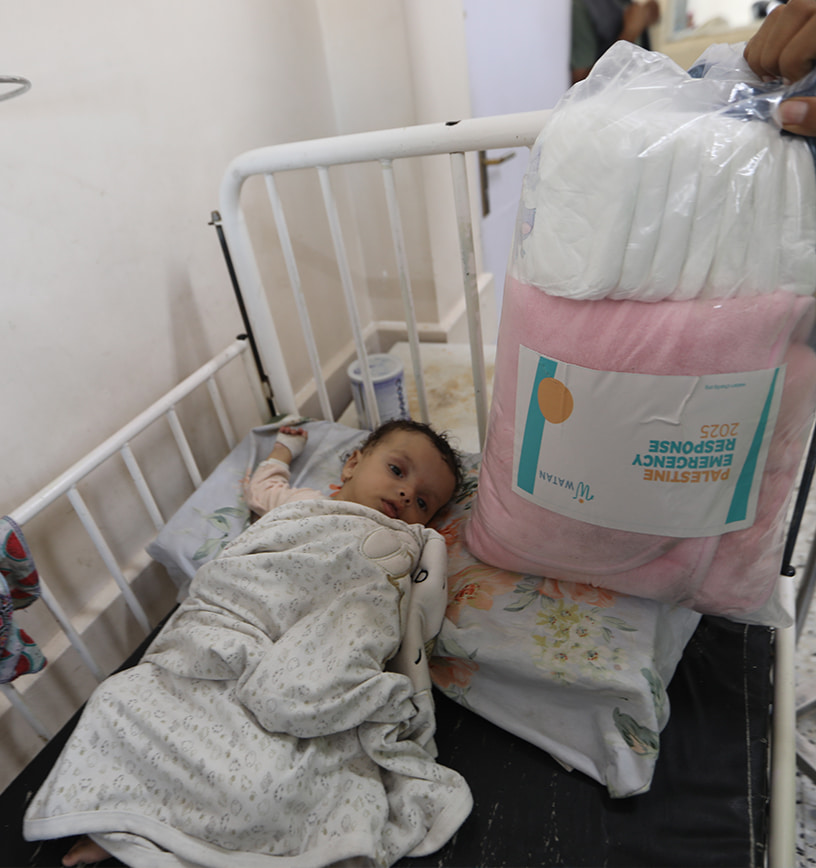
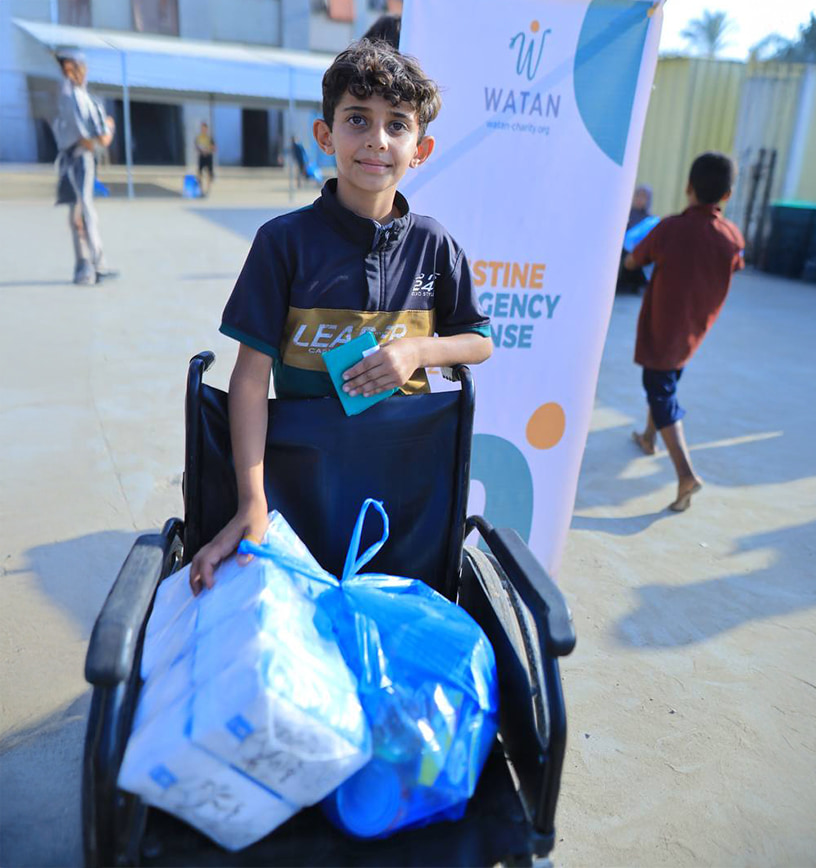
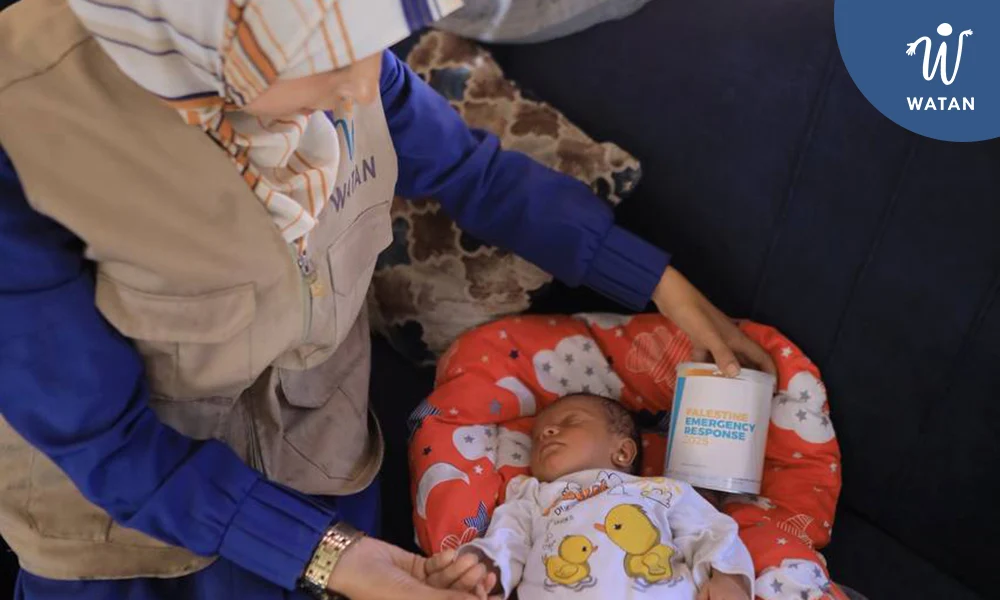
UNICEF estimates that more than 333 million children globally live in extreme poverty. No single large donation solves a problem that size. But millions of Muslims giving daily sadaqah donations, each modest in isolation, create a collective force. Palestinian families in besieged areas, Sudarian communities in conflict zones, and Rohingya children in refugee settlements all depend on this kind of distributed, consistent generosity. Real change here is rarely sudden. It comes from small, sustained efforts, season after season. Watan’s long-term programs across multiple regions are built on exactly this principle. They exist because people far from the problem decided to keep showing up.
What Daily Sadaqah Donations Mean for You
Daily sadaqah donations are not just a spiritual habit. They are one of the most practical tools a Muslim has. Pew Research confirms that younger American Muslims rank among the most philanthropically active religious groups in the country. The shift to automated giving has made consistency easier than ever. Small, regular amounts add up to real change. Families in Bangladeshi communities, Rohingya settlements, and Palestinian neighborhoods depend on this kind of sustained support. The ummah’s collective giving is what keeps long-term programs running season after season.
Why Consistency Beats Amount
A $1 gift given every day for a year totals $365. That same $365, given once, funds roughly the same impact. But the daily habit trains something the lump sum does not. It builds awareness. It keeps the giver connected to the cause. Islamic scholars like Imam al-Nawawi taught that the deed done with regularity, even if small, earns greater reward than the large deed done once and abandoned.
How American Muslims Are Making It Work
Digital giving tools have changed the habit entirely. Many Muslims now set automated weekly or monthly transfers. The intent mirrors daily giving. The discipline matches. Platforms that allow recurring charity have made sadaqah jariyah more accessible than any previous generation has experienced. This is not a shortcut. It is the sunnah principle of consistency, adapted for modern life.
Behind every community rebuilt after crisis is a long line of people who chose to stay involved. They did not give once and move on. They kept showing up, week after week, dollar after dollar. At Watan, that same principle guides how we build programs. Sustained, consistent support is what separates a relief response from a lasting solution. The work across the communities we serve continues because people made a quiet, daily choice to care. See how this work continues.