
Orphan sponsorship Islam is the act of providing consistent financial and emotional care to a child who has lost one or both parents. It’s different from adoption. The child keeps their birth name and lineage. The Prophet Muhammad (peace be upon him) described the sponsor and the orphan as neighbors in Paradise, gesturing his index and middle fingers together. UNICEF estimates over 140 million children worldwide live without one or both parents. This duty sits at the core of Islamic social responsibility.
Why Orphan Sponsorship in Islam Matters Today
The Quran mentions orphans in over 20 verses. That’s not coincidence. Allah singles out orphan care as a marker of true faith in Surah Al-Baqarah, Surah An-Nisa, and Surah Al-Ma’un. Neglecting orphans is listed alongside denying the faith itself. Today, conflict, poverty, and disease leave Palestinian, Somali, Bangladeshi, and Rohingya children without parents and without a reliable source of income. The need is real and it’s ongoing. Watan’s orphan sponsorship program exists because this isn’t a seasonal concern. It’s a year-round obligation. The ummah’s role doesn’t pause between Ramadans.
Key Facts About Orphan Sponsorship in Islam Most People Get Wrong
Many Muslims think “orphan” in Islam means a child with no parents at all. But Islamic scholars, including Imam al-Nawawi, define an orphan as any child who lost their father before reaching puberty. The mother can still be alive. According to this definition, the global orphan population is far larger than most people expect. UNICEF’s data puts the figure at over 140 million children in vulnerable situations worldwide. Sponsorship doesn’t mean legal guardianship. It means consistent, dignified support. It’s a commitment, not a one-time act. And that distinction matters a lot in Islamic law.
Does Islam Distinguish Between Different Types of Orphans?
Islam recognizes that orphans face different levels of need. A child who lost both parents faces total vulnerability. A child who lost only their father still qualifies as a *yatim* in Islamic law, because the father was the primary provider. Scholars like Imam al-Nawawi drew this line clearly. The type of loss shapes the child’s situation, but not the religious obligation to help. Whether the child has a surviving mother, extended family, or no one at all, the call to sponsor remains. According to UNICEF, the majority of children classified as orphans globally still have one living parent. This fact doesn’t reduce the need. It expands it.
When Does a Child No Longer Qualify as a Yatim?
Islamic scholars agree that a child stops being classified as a *yatim* once they reach puberty. After that point, the legal category ends, but the moral responsibility to care for vulnerable youth does not. Many sponsorship programs, including Watan’s, continue support beyond puberty to help young adults complete their education and gain skills. The transition from childhood to early adulthood is often the most fragile period. Losing support at that moment can undo years of progress.
What About Orphans in Conflict Zones?
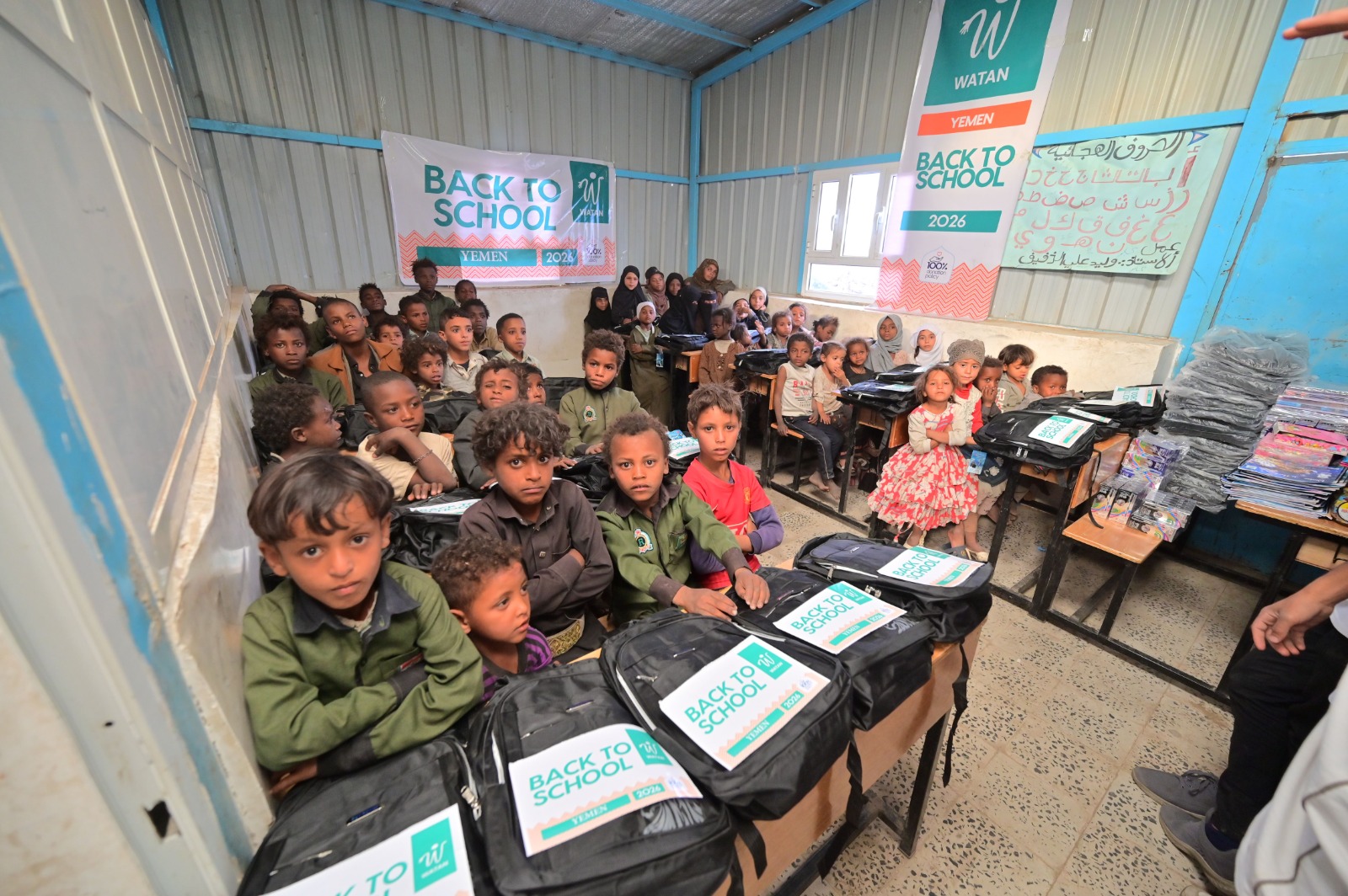
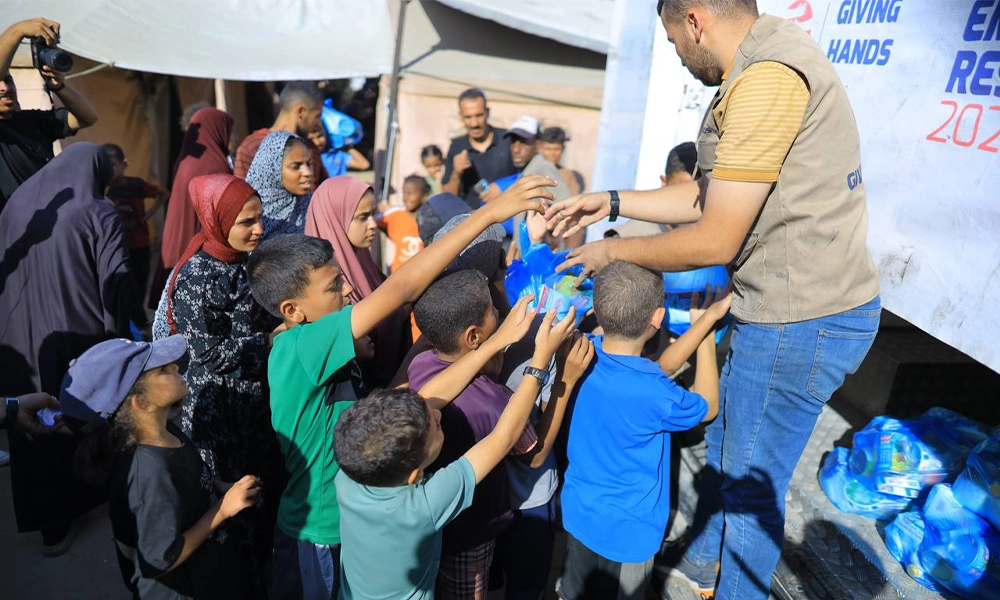
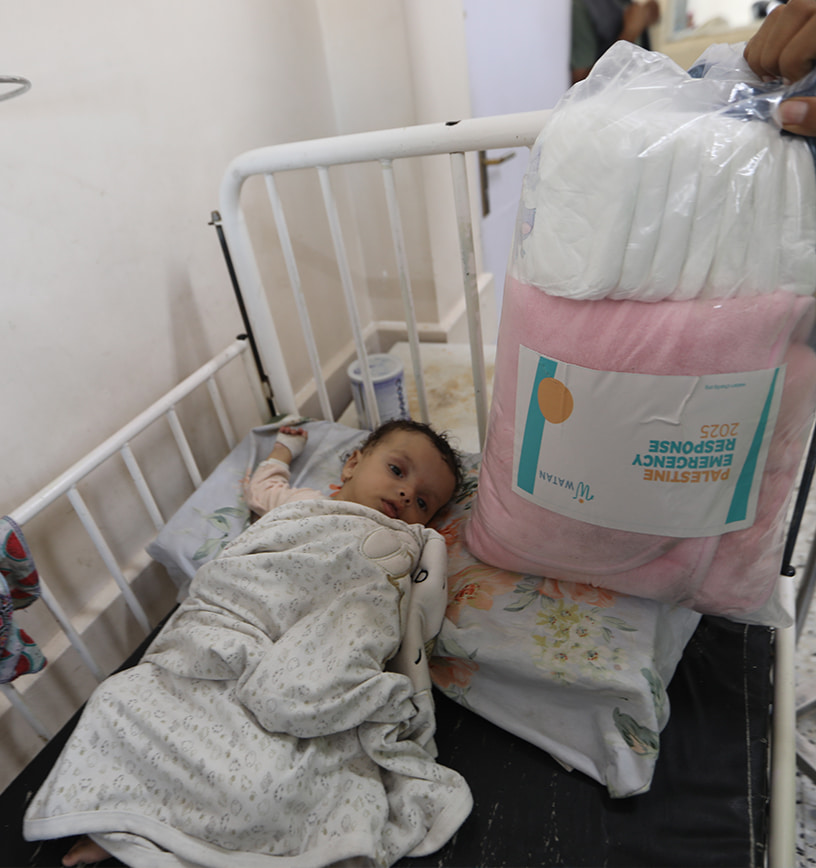
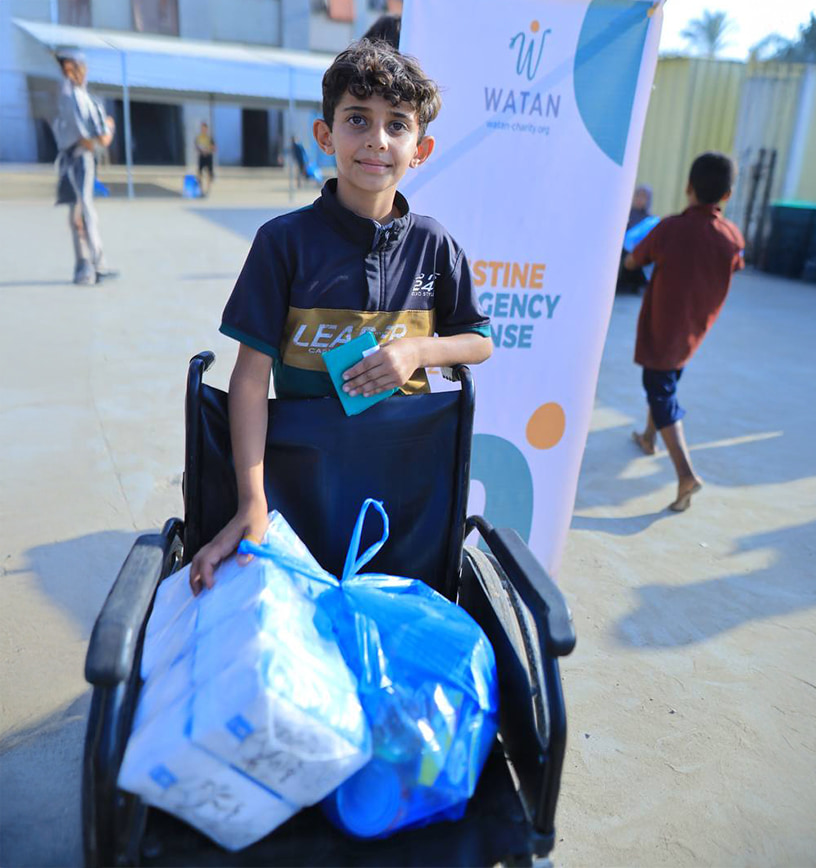
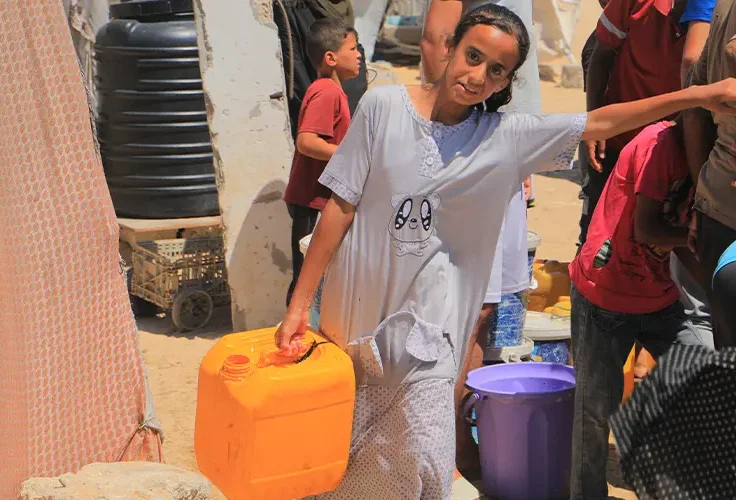
Palestinian, Somali, Rohingya, and Sudarian children make up a large share of the world’s most vulnerable orphans today. Many lost their fathers to war, displacement, or detention. Their mothers survive but often can’t work or access income. These children fall directly within the Islamic definition of *yatim*. The need isn’t abstract. It shows up in missed meals, closed school doors, and younger siblings who go without. Quiet, consistent support from people far from the crisis is what keeps families like these afloat.
What Do Islamic Scholars Say About the Reward for Sponsoring an Orphan?
The reward for sponsoring an orphan is among the most specific promises in the hadith literature. The Prophet Muhammad (peace be upon him) said that he and the one who cares for an orphan will be in Paradise like these two, and he joined his index and middle fingers together. This hadith appears in Sahih al-Bukhari. Al-Nawawi commented on this narration in his *Riyadh al-Salihin*, calling it one of the clearest invitations to a specific act of charity with a named reward. The scholars didn’t treat this as a general encouragement. They treated it as a direct offer.
Is Intention Enough, or Does Consistency Matter?
Scholars are clear: orphan sponsorship is not a single act. It’s an ongoing commitment. Ibn al-Qayyim wrote about the link between sustained charity and the purification of the soul. One-time giving earns rewards. But consistent giving builds character. It also builds trust with the child receiving support. A child who knows their sponsor will send it again next month; we can plan. They can stay enrolled in school. They can hope. That stability is part of the benefit, not just a side effect.
Who Are the Most Vulnerable Orphans the Ummah Needs to Reach?
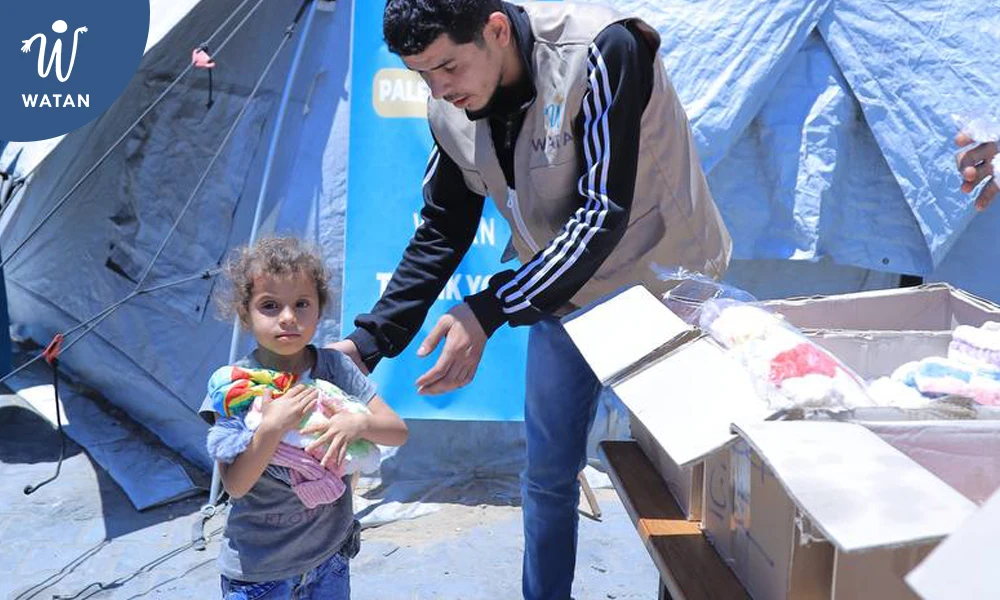
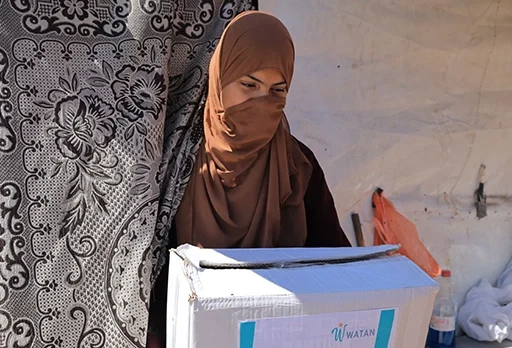
The most under-reached orphans today are girls, children under five, and children in rural or displaced communities. UNICEF data shows girls in low-income regions face higher dropout rates and earlier forced marriages after losing a father. Children under five who lose a parent face the highest mortality risk in the years that follow. Rural and displaced orphans often sit outside formal aid systems. They don’t appear on lists. No one files paperwork on their behalf. The ummah’s role is to reach past the visible cases and look for the ones no system has found yet. The families Watan serves often include exactly these children.
What Orphan Sponsorship in Islam Means for You Today
Orphan sponsorship in Islam is one of the clearest paths a Muslim can take toward meaningful, lasting reward. The Prophet Muhammad placed the sponsor of an orphan among the closest to him in paradise. That promise hasn’t changed. UNICEF estimates 140 million children worldwide have lost one or both parents. Most live outside formal aid systems. They depend on direct, personal commitment from communities like ours. Orphan sponsorship connects Islamic values to real lives. It’s not abstract. It’s one child, one sponsor, one month at a time.
Why Consistency Matters More Than Amount
A child doesn’t need a large sum. They need to count on it arriving. Scholars like Ibn al-Qayyim linked consistent charity to the purification of the heart. That’s not coincidence. The act of returning, month after month, shapes the giver as much as it helps the child. Bangladeshi families and Palestinian children served through long-term programs show better school attendance when support is predictable. Stability is the actual gift. The amount matters far less than the pattern.
How to Choose the Right Program
Look for programs with clear reporting, verified field presence, and long-term commitment to the regions they serve. Watan works across multiple communities, from Rohingya families in displacement to Somali and Sudarian children in areas with limited formal support. A trustworthy program names the populations it serves. It explains how funds reach families. And it stays present after the headlines move on. Reviewing a charity’s active work is the first step. See how this work continues at Watan.
Behind every child who stays in school is someone who chose to keep showing up. Not once. Every month. At Watan, that quiet, repeated commitment is the whole point. The communities we serve don’t need attention for a week. They need someone who plans to be there next month, and the month after that. That’s what orphan sponsorship in Islam has always asked of us. Not a grand gesture. Just a steady hand.