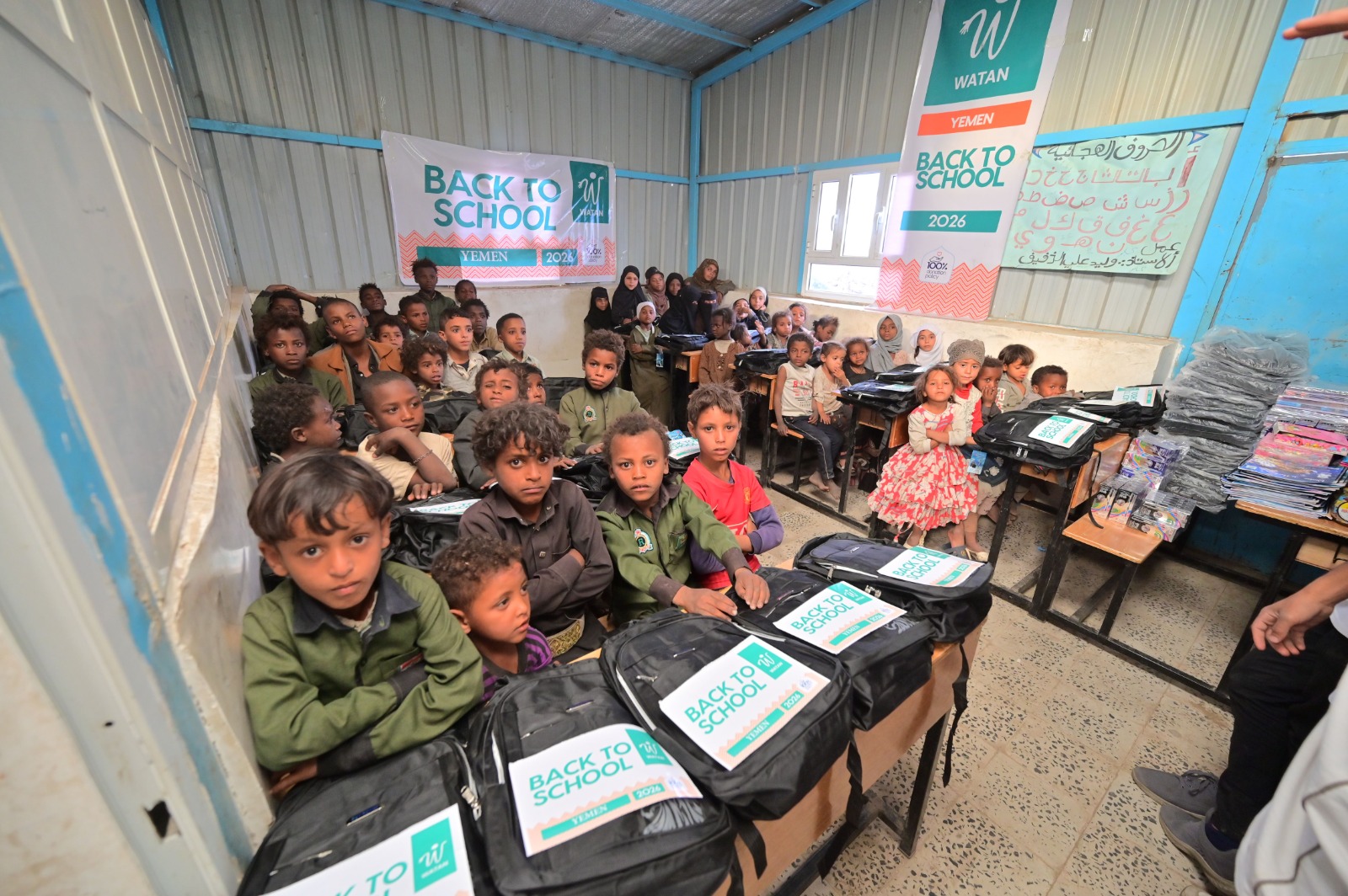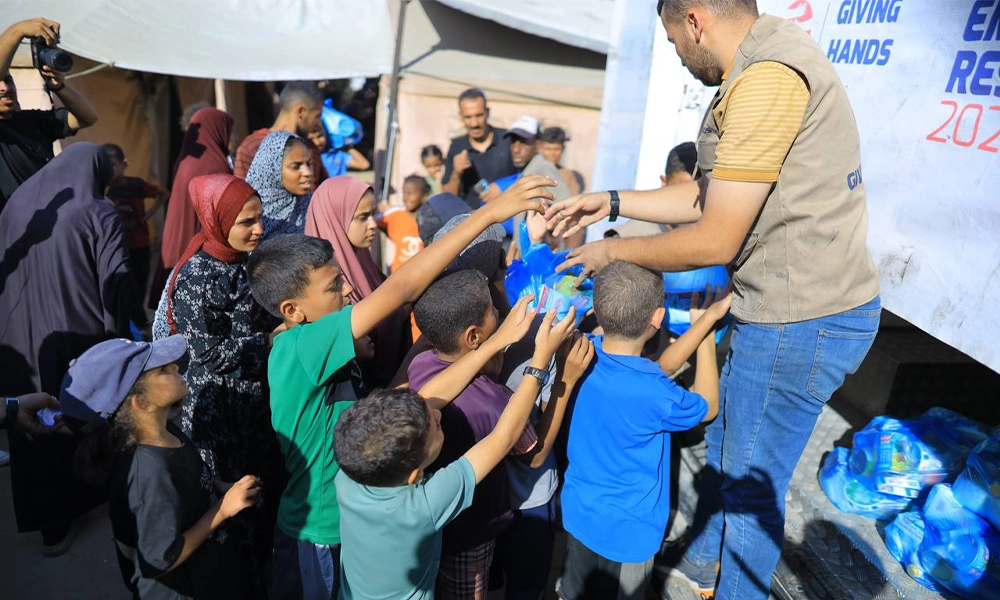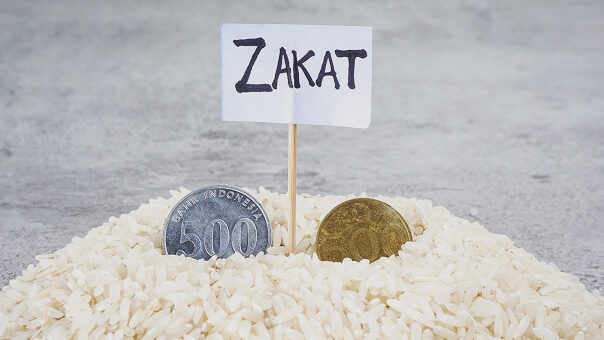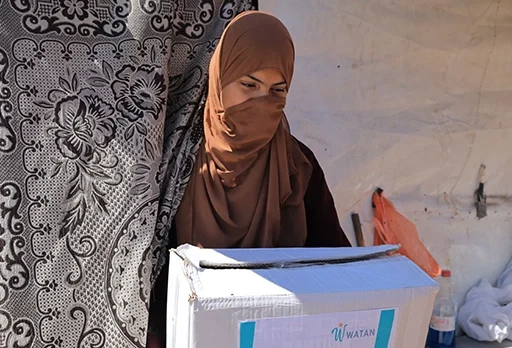


Zakat al Fitr Donation is a mandatory charity that every Muslim must pay before the Eid al-Fitr prayer. It’s not the same as annual Zakat on wealth. This obligation dates back to the second year of Hijra, around 624 CE, when the Prophet Muhammad (peace be upon him) made it binding. It applies to every Muslim who has food beyond their needs on the day of Eid. Its purpose is to purify the fast and feed the poor before the celebration begins.
Why Zakat al-Fitr Matters Today
Food insecurity remains a real and pressing problem across Muslim-majority communities worldwide. According to the UN World Food Programme, over 730 million people went hungry in 2023. Zakat al-Fitr directly targets this gap. It’s designed to reach the poor before Eid morning, so they can eat and celebrate with dignity. That timing isn’t accidental. The Prophet (peace be upon him) instructed that Fitrana reach recipients before the prayer, not after. That makes it one of the most time-sensitive acts of worship in the Islamic calendar. At Watan, our Zakat programs work to make sure this obligation reaches those who need it most, in the communities that can’t afford to wait.
Zakat al-Fitr by the Numbers
The amount of Zakat al-Fitr is set by Islamic scholars at one sa’a of staple food. In modern terms, that’s roughly 2.5 to 3 kilograms of dates, wheat, rice, or barley. In USD, most US scholars and Islamic finance bodies calculate this at between $10 and $15 per person for 2025. The head of a household pays on behalf of every dependent, including children and elderly relatives. Pew Research estimates there are about 3.5 million Muslims in the United States, which means tens of millions of dollars in Fitrana are due each Ramadan season across the country alone. Globally, the obligation touches well over a billion Muslims, making Zakat al-Fitr one of the largest annual redistribution events in the world.
Can You Pay Zakat al-Fitr in Cash?
Most scholars permit paying Zakat al-Fitr as cash instead of food. The Maliki, Shafi’i, and Hanbali schools traditionally prefer physical staple food. But the Hanafi school, and many contemporary scholars, allow cash payment. Their reasoning is practical: cash reaches recipients faster, and it lets families buy what they actually need. The Fiqh Council of North America accepts cash payment as valid. For US Muslims especially, paying a Zakat al-Fitr donation in dollars is both convenient and widely considered sound. Most US scholars set the 2025 cash value at $15 per person.
Food vs. Cash: Does It Matter?
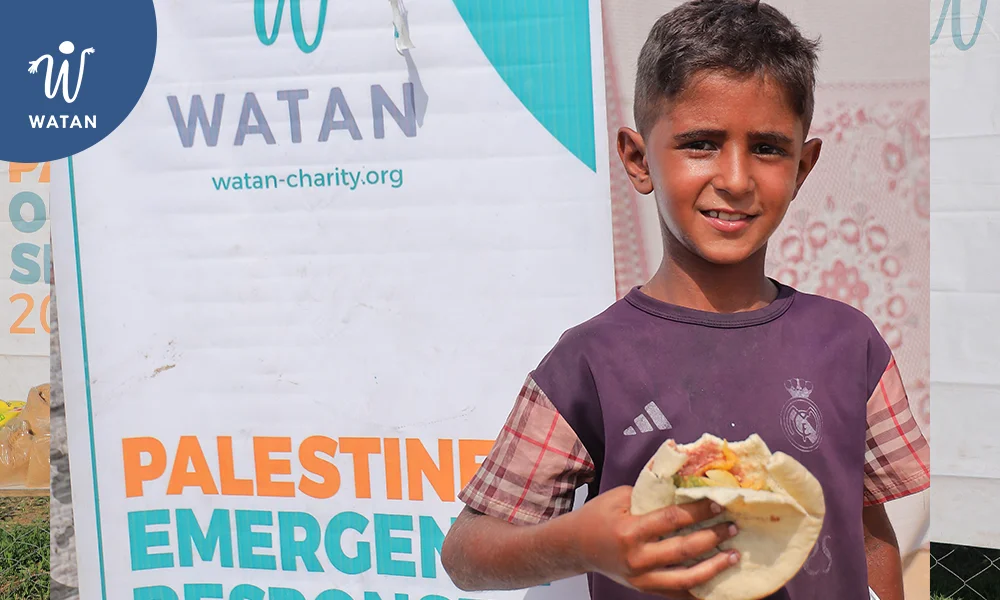
Both forms fulfill the obligation when given correctly. The key condition is the same either way: the gift must reach a recipient in need before Eid prayer. Food-based payment can make sense in communities where grain is the primary staple. Cash works better in most modern contexts because recipients can stretch it further. Scholars like Sheikh Ibn Uthaymeen acknowledged that the goal of Fitrana is to free the poor from asking on Eid day, and cash achieves that goal just as well.
What If You Missed the Deadline?
Paying after Eid prayer is still valid but loses its spiritual status as Zakat al-Fitr. It becomes regular Sadaqah instead. Scholars agree you should still pay it. The obligation doesn’t disappear because the window closes. Ibn Qudama, in Al-Mughni, noted that delay is blameworthy but the duty remains. So if Eid has passed and you haven’t paid, pay anyway. The recipient still needs it, and the act still carries reward.
Who Is Most Affected When Zakat al-Fitr Doesn’t Reach Them?
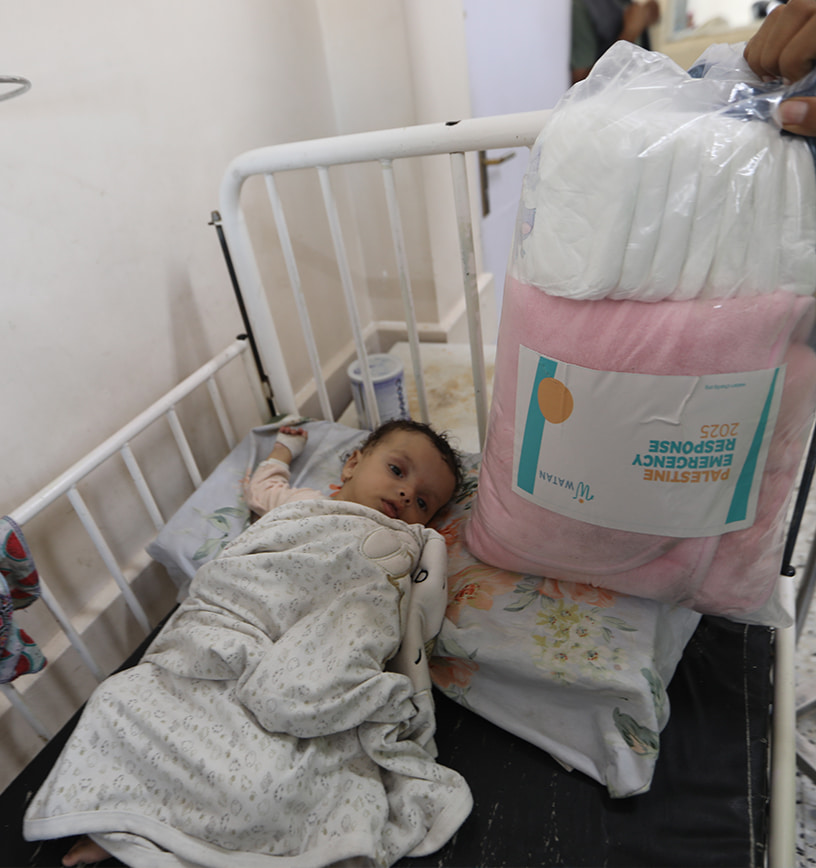
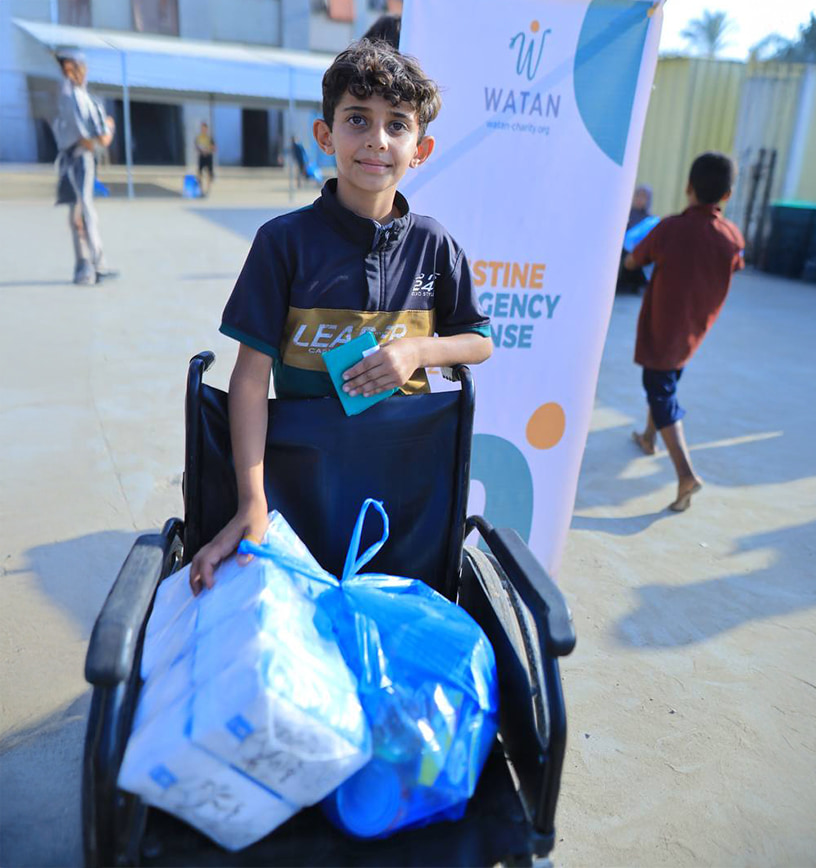
The families who suffer most are those with no backup. UNICEF estimates that about 333 million children globally live in extreme poverty. For these households, a missed Fitrana payment isn’t a small gap. It means children wake up on Eid morning with nothing. It means parents feel the shame of having nothing to offer. Zakat al-Fitr was designed to prevent exactly this. It targets a specific pain point: the feast-day that becomes a fast-day for the poor. When the obligation goes unfulfilled, that pain lands hardest on children and single-parent families.
Displaced Families Face a Double Burden
For Rohingya families in Cox’s Bazar, for Sudarian families in camps, for Palestinian families in besieged areas, Eid already arrives stripped of home and routine. They can’t celebrate with family scattered across borders. They can’t return to the traditions that gave the holiday its meaning. On top of that, if Fitrana doesn’t reach them, they also go without food. The spiritual weight of this moment is real. And the material need is just as real. These communities depend on the ummah’s shared sense of obligation.
Common Misconceptions About Zakat al-Fitr
Several widespread misunderstandings cause Muslims to underpay, overpay, or miss the obligation entirely. The most common is thinking Zakat al-Fitr only covers adults. It covers every dependent in the household, including newborns. A child born before sunset on the last day of Ramadan is included. Another misconception is that it’s optional. It’s wajib (obligatory) according to the majority of scholars, established by authentic hadith in Sahih al-Bukhari. A third mistake is calculating it per couple rather than per person. The amount is per head, not per household. Getting this right matters, because the obligation is precise.
How Zakat al-Fitr Connects to the Bigger Picture of Eid
Eid al-Fitr is meant to be a shared celebration. The word itself carries the idea of breaking together, not just the fast, but the separation between those who have and those who don’t. The Prophet (peace be upon him) said Fitrana is purification for the fasting person and food for the poor. Both purposes matter equally. Change for the families most dependent on Zakat al-Fitr rarely comes from one big moment. It comes from steady, consistent giving, year after year, from people who treat this obligation not as a transaction but as a thread that holds the ummah together.
What Zakat al-Fitr Means for You Right Now
Zakat al-Fitr is not background noise in Ramadan. It is a precise, personal obligation. According to Sahih al-Bukhari, the Prophet (peace be upon him) made it obligatory on every Muslim, free or enslaved, male or female, young or old. The amount is one sa’ of food per person. In the US, most scholars set this at $10 to $15 per head. You pay it before Eid prayer. You pay it for every dependent in your home. That precision is the point. The obligation leaves little room for delay or guesswork.
Who Actually Handles the Distribution
Not every Zakat al-Fitr donation reaches those in need on time. The key is choosing a trustworthy organization with verified on-the-ground access. Families in Bangladeshi, Sudarian, Somali, and Palestinian communities depend on receiving this support before Eid morning, not after. A well-placed Zakat al-Fitr donation becomes food on the table during the celebration. A late or misdirected one misses its purpose. Check where the funds go, how fast they move, and whether the organization has an active field presence in the communities it names.
Connecting Obligation to Ongoing Need
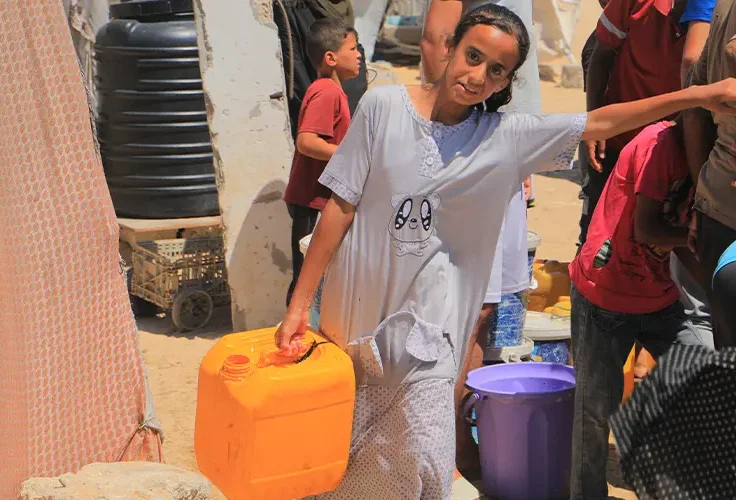
The families who need Zakat al-Fitr most are rarely in a one-time crisis. They live in sustained vulnerability. UNICEF estimates that over 700 million people globally still lack access to safe drinking water, and food insecurity affects hundreds of millions more. Zakat al-Fitr does not fix those conditions alone. But it does say: you are not forgotten. That message, repeated each year by millions of Muslim households, is itself a form of steady, structural care.
This obligation connects you to something larger than one Ramadan. Every Muslim household that calculates Fitrana carefully, covers every dependent, and sends it before Eid prayer is part of a centuries-old chain of mutual support. The ummah has practiced this for generations because the need is real and the reward is real. Watan’s ongoing work across the communities it serves moves in that same spirit, not as a seasonal push, but as a long-term commitment to dignity for families who need it. See how this work continues.