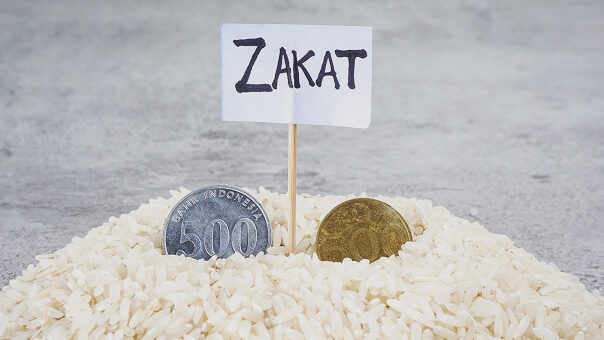

Zakat for Palestine means directing your annual obligatory charity to Palestinian families who qualify as Zakat recipients under Islamic law. Palestinians in besieged areas typically meet the criteria of the poor, the indebted, or those displaced by conflict. Over 2.2 million people in Gaza face acute food insecurity, according to the UN. Every Muslim who holds wealth above the nisab threshold must pay Zakat. Palestine is one of the most urgent cases for that obligation today.
Why Zakat for Palestine Matters Right Now
Palestinian families have faced displacement, loss, and poverty on a scale few places match. The UN reports that most of Gaza’s population depends on outside aid just to eat. Zakat is not optional charity. It’s a pillar of Islam, owed to those in desperate need. Palestinian families who are poor, homeless, or carrying debt they can’t clear all qualify under the eight Quranic categories of Zakat recipients. When you give Zakat to Palestinians, you’re not being generous. You’re fulfilling a duty. Watan has channeled long-term support into Palestinian communities for years. You can learn more about our Palestine work at watanusa.org/palestine. Giving to the right cause starts with understanding who qualifies and why.
Key Facts About Zakat for Palestine
Most Muslims know Zakat is 2.5% of savings held above the nisab for one lunar year. But few ask whether a specific group qualifies. The Quran lists eight valid categories in Surah At-Tawbah (9:60), and Palestinian families in conflict zones fit several of them at once. They’re often poor, displaced, and unable to earn. The World Food Programme puts Gaza among the world’s worst food crises in recent years. Scholars including contemporary Islamic jurists have confirmed that giving Zakat to Palestinian recipients is both valid and, in many opinions, among the most deserving uses of Zakat funds today. That makes this one of the clearest cases for directing your Zakat with intention.
Does Zakat for Palestine Count as Valid Zakat?
Yes. Zakat for Palestine is valid under Islamic law. Palestinian families in conflict zones fall under multiple categories in Surah At-Tawbah (9:60). Many are poor and displaced. Many carry debt they can’t pay. Many are travelers cut off from their wealth. Classical scholars like Imam al-Nawawi confirmed that Zakat must reach those who genuinely qualify, regardless of where they live. Contemporary Islamic jurists have applied this same standard to Palestinian recipients. The need is real. The category is clear. The obligation stands.
Common Misconceptions About Zakat for Palestine
Many Muslims hesitate. They’re not sure if Zakat given to Palestinians “counts” the same as Zakat given locally. It does. Zakat has no geographic restriction in the Quran or the Sunnah. The only requirement is that recipients fall into one of the eight valid categories. Some also worry that aid won’t reach the right people. That concern is worth taking seriously. It’s why choosing a transparent, accountable organization matters more than the destination. According to UNICEF, Gaza has one of the highest child malnutrition rates ever recorded in a conflict zone. That fact alone confirms the category.
Is Gaza a Special Case Islamically?
Some scholars argue Palestinian recipients hold extra weight. Not because of a separate rule, but because the need is so acute. Imam Ibn al-Qayyim wrote that Zakat should go where the need is greatest when the categories are all met. Gaza meets that bar many times over. The combination of poverty, displacement, and blocked livelihoods puts Gazarian families at the top of what scholars call “most deserving.” This isn’t a modern opinion. It follows directly from classical Zakat jurisprudence.
What About Kafala and Family Obligation?
Some ask whether Palestinians have family abroad who should help first. Islamic law does place responsibility on close family before Zakat kicks in. But Kafala, the obligation of family support, applies to individuals with the means to help. Most Gazarian families have no accessible relatives with means. The economic blockade has cut off normal financial channels. So Kafala doesn’t cancel the Zakat obligation here. It simply doesn’t apply in the way critics assume.
Who Needs Zakat in Palestine Most Right Now?
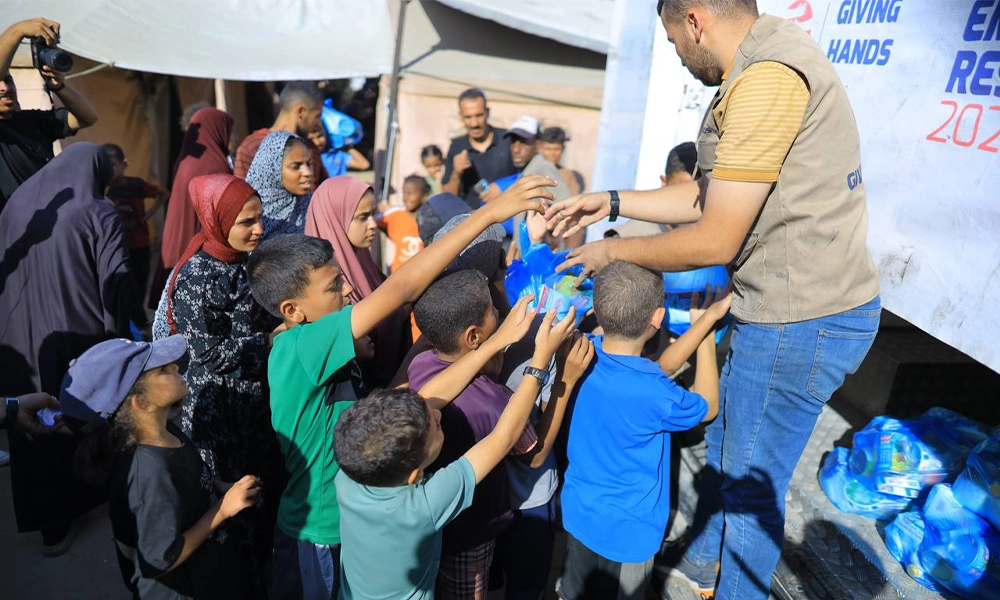
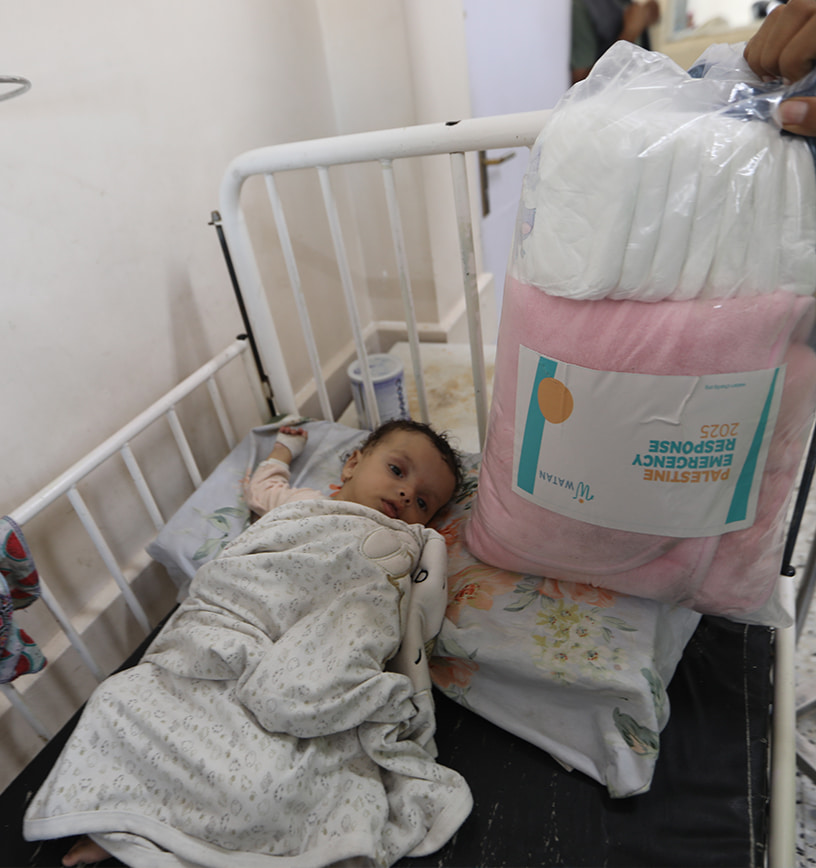
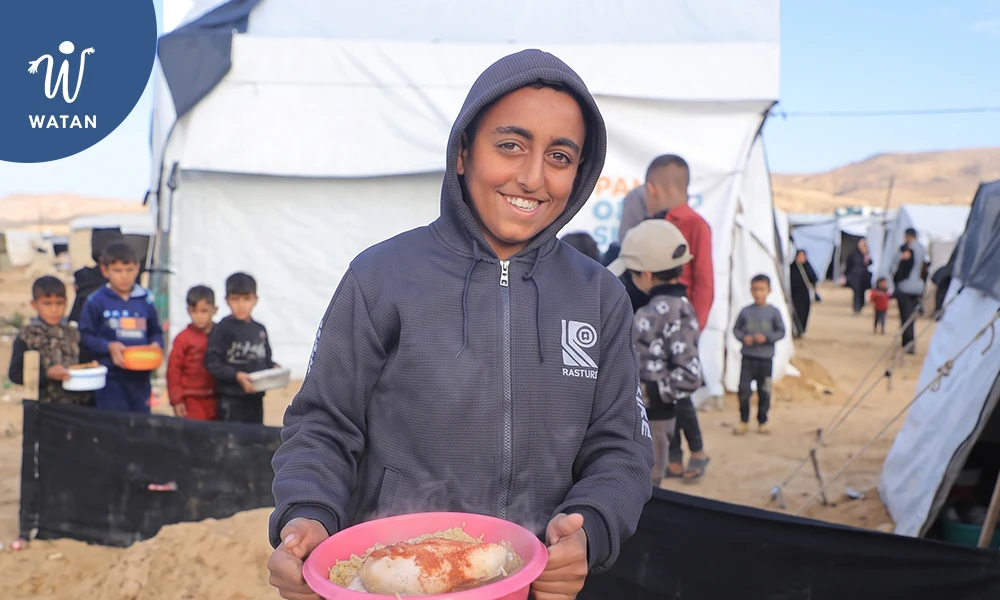
The groups most in need are children, widows, and displaced families. According to the World Food Programme, a large share of the population in Gaza faces acute food insecurity. Children bear the sharpest burden. Malnutrition among Gazarian children under five has risen sharply during periods of intense conflict. Widows with no male earner in the home sit at the center of the poverty crisis. Displaced families, those who’ve lost their homes and have no clear path back, also qualify directly under the Quranic category of ibn al-sabil, the stranded traveler. Each group has a clear Zakat claim.
How Palestinian Families Use Zakat Support
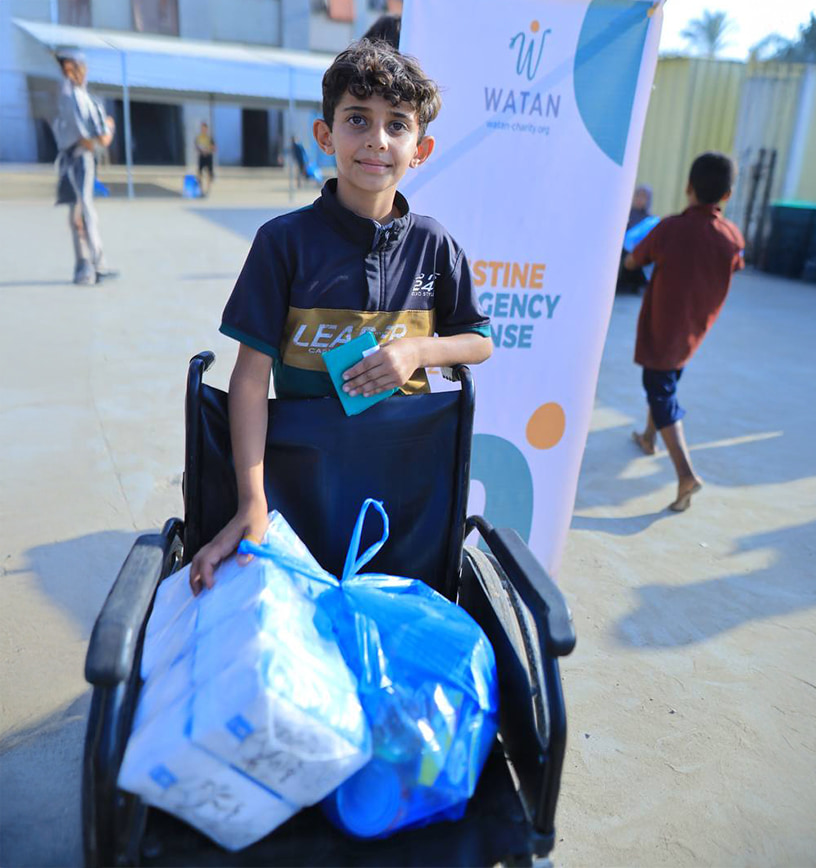
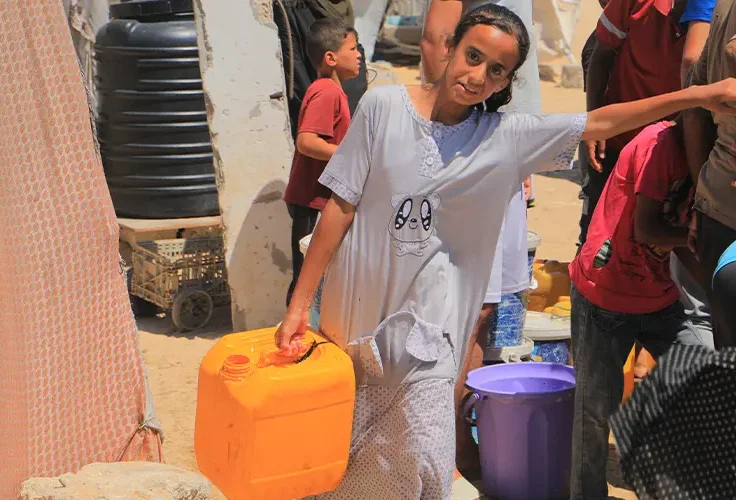
Zakat isn’t charity in the Western sense. It’s a transfer of rights. When Zakat reaches a Palestinian family, it covers what they can’t cover themselves. Food. Clean water. Temporary shelter. Medicine. In many cases, it pays off a debt that’s trapping a family in a cycle they can’t escape. Debt relief is one of the most under-discussed uses of Zakat, but the Quran lists it explicitly in At-Tawbah (9:60). Watan’s ongoing work with Palestinian communities focuses on exactly this kind of sustained, practical support. The families receiving it aren’t charity cases. They’re rights-holders. And real change for them doesn’t come from one-time relief. It comes from quiet, consistent support from people who keep showing up.
What Zakat for Palestine Means Right Now
Palestinian families don’t need pity. They need what Islamic law already assigned them: a portion of the ummah’s wealth. UNICEF reports that food insecurity in Gaza has reached emergency levels, affecting children at rates not seen in modern conflict history. Zakat for Palestine isn’t a side cause or a seasonal appeal. It’s a standing obligation. The nisab threshold, the eight eligible categories in At-Tawbah 9:60, the rules on local versus distant distribution — all of it points in the same direction. Palestinian families qualify. The obligation is real. And the path forward starts with acting on that.
Does Distance Reduce the Obligation?
Some Muslims wonder if Zakat given abroad counts less than Zakat given locally. Classical scholars disagreed on preference, but agreed on validity. Imam al-Nawawi confirmed that transferring Zakat to distant recipients is permitted when need is greater elsewhere. Palestine meets that threshold by any measure. Gazarian families face displacement, food crisis, and loss of income at the same time. The need is not abstract.
What Happens When Zakat Reaches a Palestinian Family?
It covers the basics first. Food. Clean water. A debt cleared. A child who can eat. According to UNICEF, acute malnutrition among Gazarian children under five has climbed during periods of active conflict. Zakat doesn’t solve a political crisis. But it stops a family from collapsing while the crisis continues. That’s what the obligation was always designed to do.
Behind every family that survives a hard season is a quiet network of people who kept paying attention. Zakat for Palestine isn’t a trend. It’s a recurring act of justice, rooted in scripture and carried forward by ordinary Muslims who chose not to look away. Watan’s work with Palestinian communities reflects that same commitment: steady, grounded, and not dependent on headlines. See how this work continues at watanusa.org/our-work.