

Zakat and sadaqah are both forms of Islamic charity, but they work very differently. Zakat is a fixed obligation. Every eligible Muslim must pay it once their wealth reaches the nisab threshold and stays there for one lunar year. Sadaqah is voluntary. You give what you want, when you want, to almost anyone in need. Both come from the same root of compassion, but only one is a pillar of Islam.
Why the Zakat vs Sadaqah Distinction Matters Right Now
Most Muslims want to give well. But giving the wrong type, or confusing one for the other, can mean your Zakat obligation goes unmet. According to Pew Research, there are about 3.45 million Muslims in the United States. That’s a lot of people who need clear answers on what they actually owe. Zakat has eight fixed categories of recipients, laid out in Surah At-Tawbah (9:60). Sadaqah has almost none. Getting this wrong doesn’t just affect your worship. It affects the families who depend on Zakat as a right, not a gift. Our Zakat resources at Watan walk through exactly how this works in practice.
Key Facts About Zakat vs Sadaqah Most People Get Wrong
Zakat is calculated at 2.5% of qualifying wealth held above the nisab for a full lunar year. The nisab in 2026 sits at the value of 87.48 grams of gold or 612.36 grams of silver. Sadaqah has no floor, no ceiling, and no set time. It can be a smile, according to an authentic narration in Sahih al-Bukhari (Book 73, Hadith 52). Scholars like Imam an-Nawawi clarified that sadaqah covers every act of goodness, while Zakat covers a specific financial duty. One is worship through giving. The other is giving as worship. They overlap in spirit but not in law.
Does Sadaqah Count Toward Your Zakat Obligation?
No. Sadaqah does not count toward Zakat. They are separate acts with separate rules. Zakat is a fixed duty owed to specific recipients. Sadaqah is a free act of giving with no fixed rules. You can’t substitute one for the other. A Muslim who gives generously in sadaqah but never pays Zakat has still left an obligation unmet. The Quran lists Zakat alongside prayer in multiple verses, which signals its weight as a pillar. Sadaqah earns reward. Zakat discharges a debt owed to the poor.
Can Non-Muslims Receive Zakat or Sadaqah?
Sadaqah can go to anyone in need, Muslim or not. Scholars across all four major madhabs agree on this. Zakat is more restricted. Most classical scholars hold that Zakat must go to Muslim recipients, with the exception of the category called “those whose hearts are to be reconciled,” which some scholars allow for non-Muslims in specific cases. Ibn Uthaymeen addressed this directly, affirming that sadaqah to non-Muslims is valid and can strengthen community ties. So if you’re giving to a neighbor, a food bank, or a disaster relief effort that serves everyone, sadaqah covers it. Zakat does not.
What About Zakat al-Fitr?
Zakat al-Fitr is a separate category from annual Zakat al-Mal. It’s due at the end of Ramadan before the Eid prayer. Its value is roughly equivalent to one sa’ of staple food, which scholars today often translate to about $10 to $15 per person. It must go to the poor so they can celebrate Eid with dignity. Like annual Zakat, Zakat al-Fitr is obligatory for every Muslim who has food beyond their daily needs on that day.
Does Sadaqah Jariyah Differ From Regular Sadaqah?
Sadaqah jariyah means ongoing charity. The reward continues after death, as long as the benefit continues. A water source, a school, or a copy of the Quran given as sadaqah jariyah keeps generating reward. The Prophet Muhammad (peace be upon him) named it as one of three deeds whose reward outlasts a person’s life, recorded in Sahih Muslim (Hadith 1631). Regular sadaqah is a one-time act. Both are valid. But sadaqah jariyah builds something that keeps serving people long after the moment of giving.
Common Mistakes Muslims Make With Zakat vs Sadaqah
The most common mistake is paying Zakat to ineligible recipients. A man once told us he’d given his full Zakat to a local mosque building fund. That’s not valid. Mosque construction doesn’t appear in the eight eligible categories in Surah At-Tawbah (9:60). Another frequent error is counting sadaqah as part of the 2.5% calculation. It doesn’t count. Zakat must be calculated separately, from qualifying assets, above the nisab, held for a full lunar year. Giving extra sadaqah is good. But it doesn’t reduce what you owe in Zakat.
Can You Pay Zakat to a Family Member?
You can pay Zakat to some family members but not others. You cannot pay Zakat to those you are financially responsible for, such as a spouse, children, or parents. But you can pay Zakat to a sibling, an aunt, or a cousin who qualifies as poor or in debt. Imam an-Nawawi noted that paying Zakat to a qualifying relative carries a double reward: the obligation of Zakat and the virtue of maintaining family ties. The key rule is that the recipient must genuinely qualify, and you must not already be obligated to support them.
How the Ummah Has Used Both Zakat and Sadaqah Throughout History
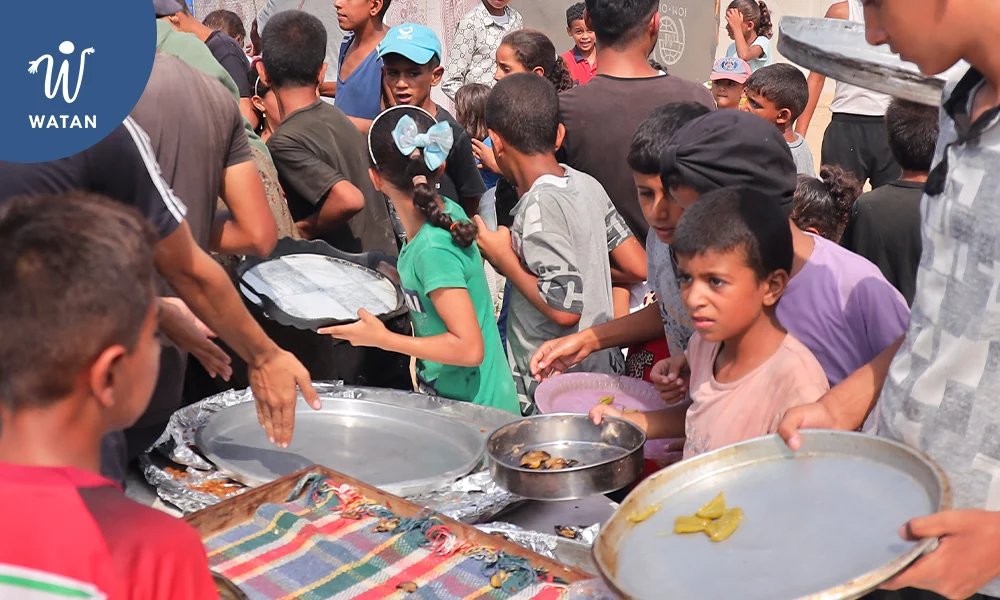
Early Muslim communities used Zakat as a structured welfare system and sadaqah as the spirit that filled the gaps. During the caliphate of Umar ibn Abd al-Aziz, Zakat collection was so effective that collectors reportedly struggled to find eligible recipients in some regions. Sadaqah ran alongside it: feeding travelers, freeing captives, caring for the sick. This wasn’t charity in the modern sense. It was a living system. Today, Palestinian, Bangladeshi,
What Zakat and Sadaqah Mean for You Today
Zakat and sadaqah are not competing duties. They work together. Zakat clears your obligation and purifies your wealth. Sadaqah expresses your heart. The Pew Research Center estimates roughly 1.8 billion Muslims worldwide, each carrying this dual responsibility. Scholars like Imam an-Nawawi taught that fulfilling Zakat first is the baseline. Sadaqah then becomes the living extension of that commitment. Together, they form a complete picture of Islamic generosity, one that serves both the giver and the communities depending on both forms of support.
How to Think About Giving Year-Round
Zakat has a fixed time: once a year, when your nisab threshold has been held for a full lunar year. But sadaqah has no such limit. Giving a small amount each week builds a habit of generosity. Many scholars note that consistent sadaqah, even modest amounts, carries great spiritual weight. Ibn Qayyim wrote that the heart softens through regular giving, not through single large acts. So plan your Zakat, then let sadaqah fill the rest of the year.
Why Both Forms of Giving Still Matter Today
The global need is real. UNICEF estimates that hundreds of millions of children lack access to clean water, adequate food, and stable shelter. Bangladeshi, Palestinian, Somali, and Rohingya communities face gaps that no single form of giving can close alone. Zakat creates structured, reliable relief. Sadaqah fills the space in between. Both are needed. Both are encouraged. The ummah’s long tradition of combining them is not coincidence. It is wisdom, built over centuries, and still the most effective model of sustained Islamic giving.
Behind every family that receives consistent support is a long line of people who chose to keep giving, quietly, year after year. At Watan, the work across the communities we serve continues because of exactly that kind of commitment. No headlines. No single big moments. Just steady, faithful action from people who understood both what Zakat requires and what sadaqah makes possible. See how this work continues.